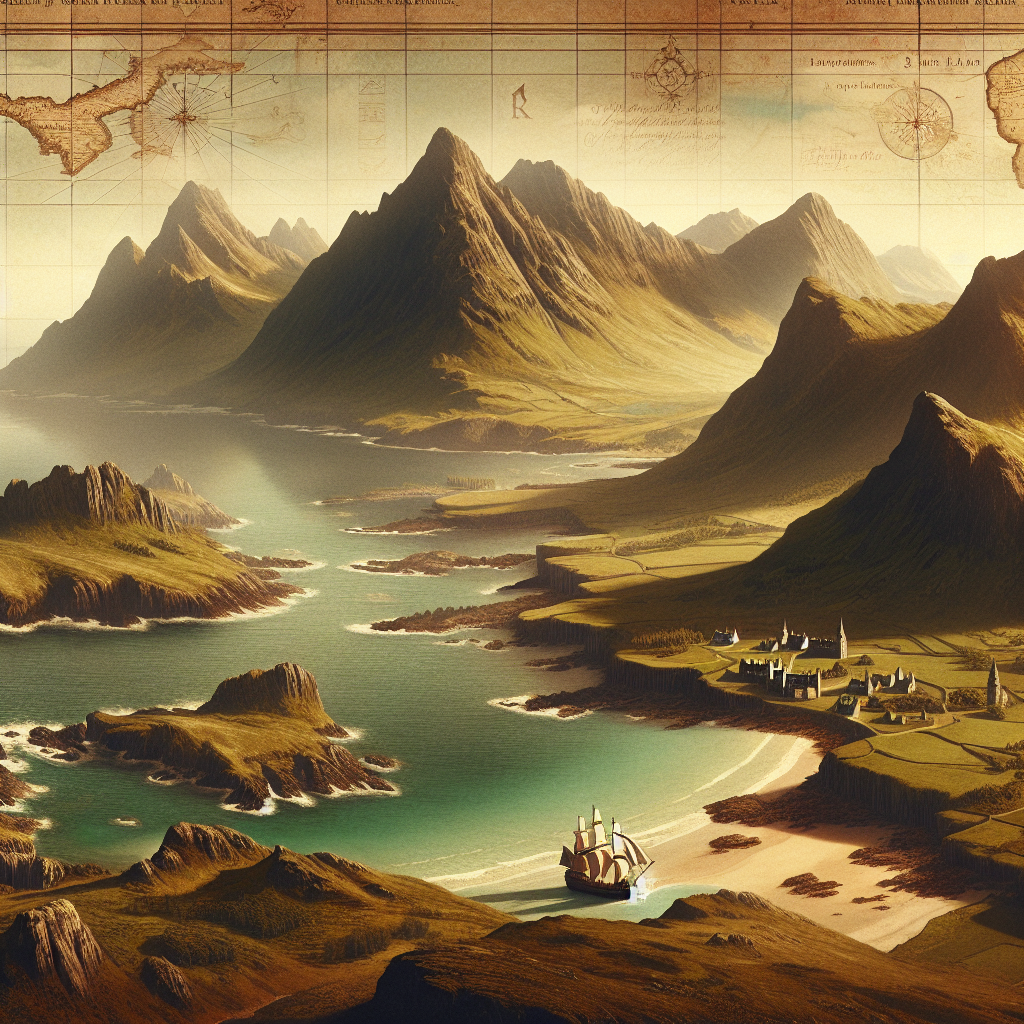

Nestled on the southern shore of Scotland is a place that feels more like holding hands with history than simply visiting another coastal village. The Isle of Whithorn, a quaint settlement draped with centuries of maritime lore, is where time stands still against the backdrop of a fiercely independent landscape touched by the reforming winds of both nature and societal change.
The Isle of Whithorn's population is small but vibrant. It is mostly known for its stunning scenery, historic significance, and allure to hikers and pilgrims. Once a bustling harbor with ecclesiastical notoriety, its legacy continues to echo through medieval roots and modern tales. Travelers are drawn here not just by the draw of coastal cliffs and crashing waves but by an awareness that they are walking in the footsteps of saints and sinners.
In the past, the word 'Isle' in the name was quite literal. The Isle of Whithorn used to be separated from the mainland, but today it sits conveniently connected, acting as a mirror that reflects its colorful past onto the present. Yet, it retains the charm and sense of seclusion of an inhabitable island.
Between the protective embrace of its hills and the stories whispered by the sea, this place offers a slice of serenity. Spending time here gives one not just the chance to breathe in fresh air but to ponder over the role such spaces play in our world. With its rugged coastlines, standing stones, and St. Ninian’s Chapel, the Isle is a reminder that simplicity holds a depth that complexities sometimes fail to achieve.
Walking along the slipway by the harbor, one can picture this now peaceful place in its industrious prime. Fishing boats would congregate like a flock, unloading their catches as townfolk bustled about. The channels were once filled with traders who brought goods and news, knitting the Isle into a greater narrative of maritime development.
There's also an undeniable religious undertone that colors the Isle's history. St. Ninian, Scotland's first saint, chose this spot around the 5th century to establish a ministry, making it one of the earliest Christian sites in Scotland. The skeletal ruin of St. Ninian’s Chapel still draws pilgrims each year. Some seek spiritual solace, others are pulled by curiosity or a desire to be wrapped in the warmly woven tapestry of history. Here, people can explore the cobblestones that have been worn smooth by centuries of feet, each visitor adding to the tile of history beneath.
Gen Z travelers, attuned to global challenges and opportunities, might find a trip to the Isle of Whithorn a reflective journey. In an age where rapid connectivity often leaves us feeling disconnected, such places offer a reprieve. It's a spot where one can unplug from digital devices and re-engage with the holistic truths of life that have grounded generations of inhabitants and visitors.
Of course, the Isle isn't just a place for reflection. There is action to be found here as well. Those with a taste for adventure might try their skills at kayaking or sailing along the Solway Firth, where every ripple carries both danger and delight. Walking trails that wrap around the Isle invite those who aim to witness the rare flora and fauna inhabiting this serene environment. Photographers find endless subjects in the changing skies and seascapes that the Isle presents so generously.
Not every visitor leaves the Isle with an impression that aligns with romantic notions of retreat and introspection. For some, it is a stark reminder of isolation in a time when community and proximity have become synonymous with modern human comfort. The challenges faced by such rural locales in maintaining relevance while preserving authenticity presents an ongoing dialogue between past and future. The tension, though palpable, is instructive.
While some visitors may see a charming escape, others see a land fighting to remain durable against economic and environmental shifts. Local residents are aware of the delicate balance required to protect their idyllic lifestyle against the incursion of more disruptive progress. Yet, they find a sense of pride in being the custodians of their history, driving them to forge ahead with sustainable practices that keep the Isle relevant.
Ultimately, the Isle of Whithorn is a monument to enduring stories and unyielding landscapes. It stands as an emblem of Scotland's varied canvas of cultural histories. To explore its shores is to engage with living whispers and steadfast silences. It's witnessing how a small community holds together human lives and natural beauty as one and the same. For a generation seeking more authenticity and less artifice, the Isle might just offer the kind of genuine connection that transcends time and technology.