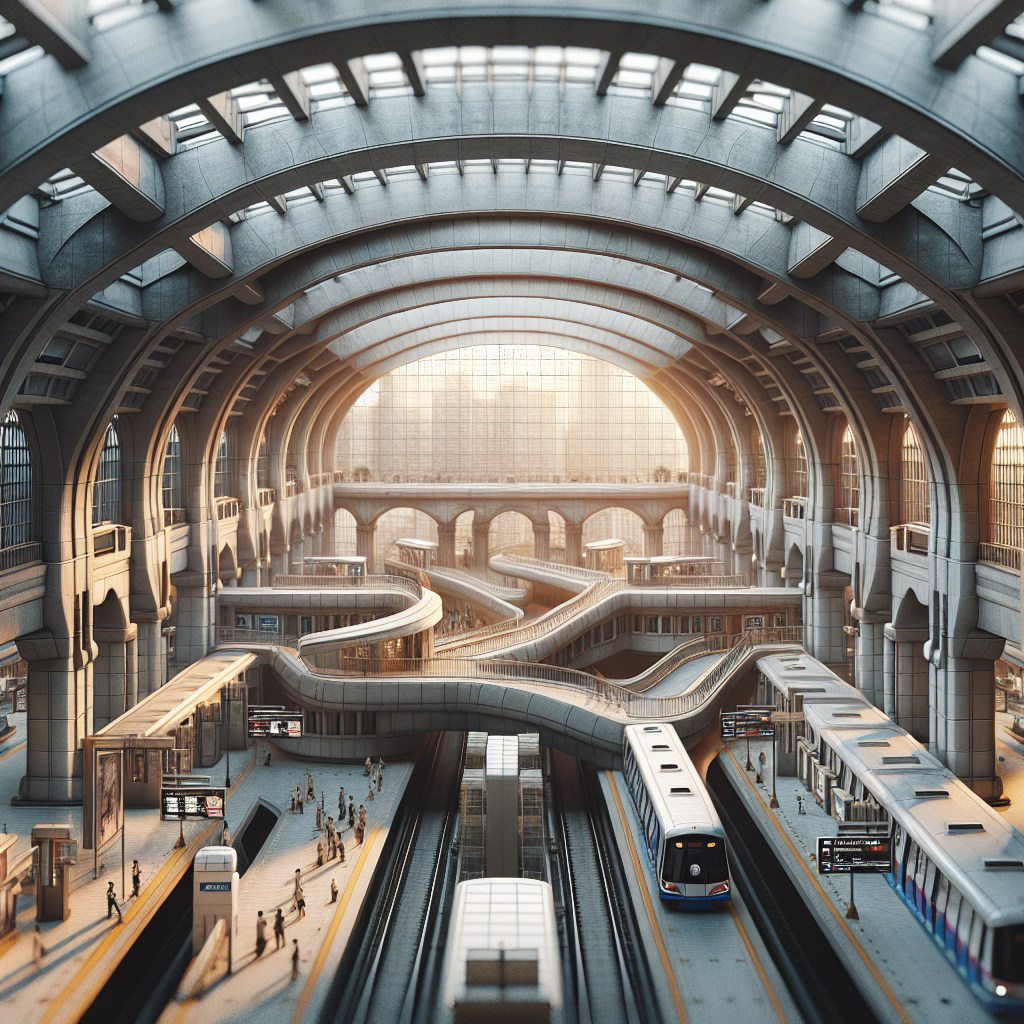

When it comes to the joyful chaos that is Bangkok, nestled within this vibrant landscape is Hua Lamphong MRT Station, a hub of both history and modernity. Originally established as a railway station in 1916, this terminal has witnessed more stories than we could read in a lifetime. It stands in Bang Rak, a district that bustles with the energy of a city never quite asleep. The station transforms from a gateway during its daytime hustle to a quiet sentinel by night. It’s 2023 now, and this historical site humbly blends past narratives with the speed of contemporary transportation. But what is it about Hua Lamphong that conjures such fascination?
Hua Lamphong isn't just a station; it's a symbol. It represents the frenetic pace of urban life and the memories and histories carried by the trains that roll in and out each day. With half a million commuters daily, it’s more than mere concrete and steel. It’s a meeting point of lives and destinies, showcasing how a century-old station maintains relevance in our fast-paced world.
Walking into Hua Lamphong feels like an embrace from a grand building filled with echoes of old-world architecture. There’s an air of nostalgia, with its European-style facade designed by Italian-born Mario Tamagno. This architectural delight, paired with its deep-rooted place in Bangkok’s growth story, transforms it into a living museum. For history buffs, gazing up at the stained glass windows is like catching glimpses of the eras past.
Today, the MRT accommodates Bangkok’s hotspot seekers and daily commuters alike. The station’s strategic location brings an ease of access to the city’s sprawling wonders. Yet, as progress typically does, it also stirs up debates between preserving history and embracing infrastructure development.
Some locals argue for the preservation of this landmark, emphasizing the importance of history and identity in a rapidly modernizing world. Meanwhile, others propose prioritizing practicality, efficiency, and capacity expansions. Balance seems to be the trick here, and at Hua Lamphong, it’s a performance still unfolding.
Cultural shifts have redefined the function of Hua Lamphong. More than just a place to catch a train, it’s now a site where cultural narratives unfold continuously. As younger generations partake in a marathon of life within its walls, they create new memories atop the old. The transformation is palpable, yet still captures the zeitgeist of times gone by.
The station’s transformation extends to its surrounding areas. Urban renewal and community-focused designs now decorate its periphery, offering artsy cafes and serene parks-like modern sculptures on an antique mantel. As you wander through, you can throw a stone in any direction and hit a piece of culture or history.
Traveling from Hua Lamphong offers more than practical ease—it’s a journey within a journey, offering insights into Thailand’s soul. From canals reflecting skyscraper dreams to street markets offering a unique blend of old and new, each trip is an odyssey of cultural discovery.
Commuters are an interesting mix—students, professionals, travelers, each bringing a narrative. It’s these shared moments that make the space more than a station. Every stare out the window, lost in thought, connects people to a larger community narrative beyond the rush hour madness.
Generation Z, often criticized for relying too heavily on modern technology, seem to appreciate the blend of history and functionality that Hua Lamphong symbolizes. Perhaps it offers a sense of stability, a physical anchor in digital wanderings. Their digital world complements this physical journey, creating a realm where tradition and modernity hold hands.
Still, as society progresses, the station stands a silent witness to a myriad of social changes. It observes Thai society moving towards inclusion, equality, and green urbanism. Such shifts often raise questions about the fine line between conservation and progress.
It's this versatility and resilience that keeps Hua Lamphong relevant. There’s something heartwarming about how the past still informs the present here—how an old station becomes a forward-looking platform that propels Bangkok into the future. As we hop on and off trains, it subtly invites us to consider the stories we carry and those we’re yet to write.
The elegance of Hua Lamphong lies in its capacity to be more than a transit point. It’s a place that makes you pause amid the whirlwind of weekday rushes, to reflect on where you’ve been and where you’re headed. And in the gentle clattering of train wheels, you just might hear the whispers of a century of silent observers.