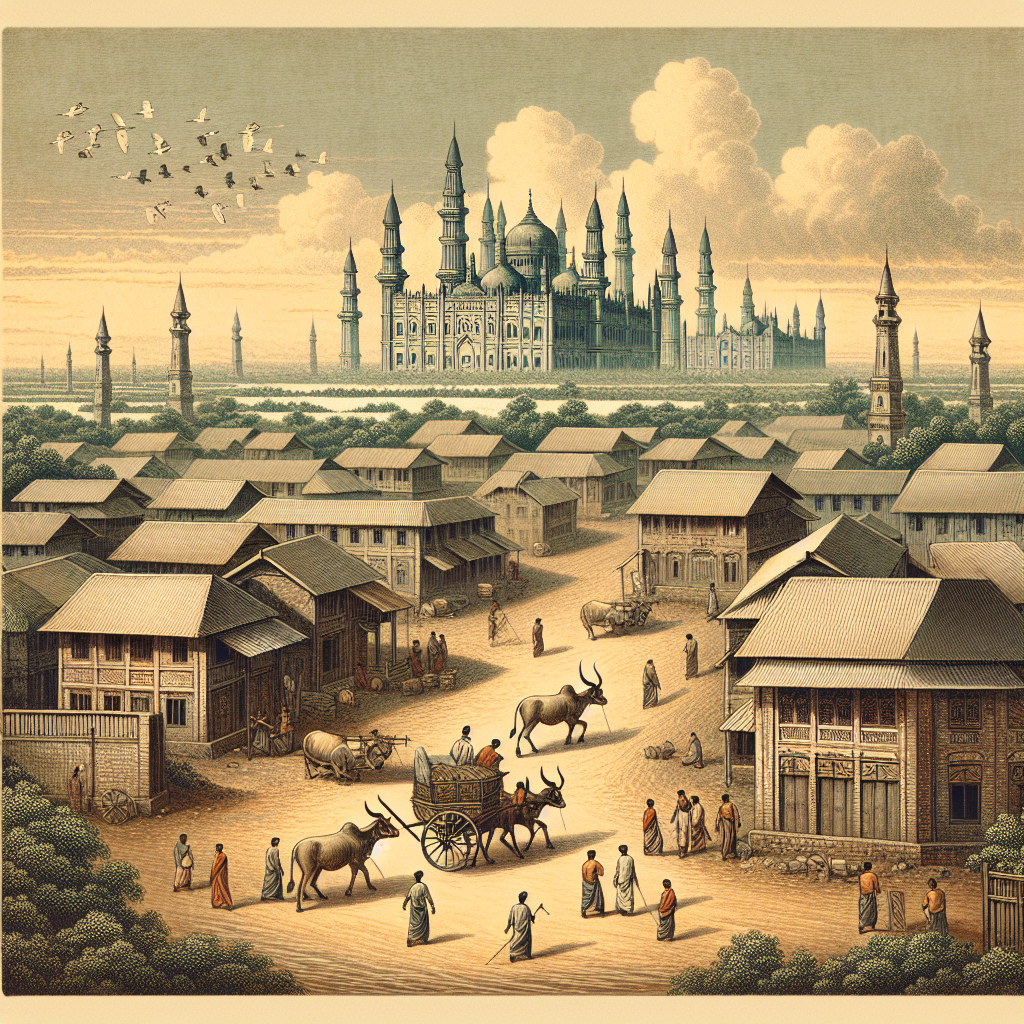

Imagine a small place teeming with stories, nestled in the heart of Bangladesh, and you're likely painting a picture of Hossainpur Upazila. Hossainpur is a sub-district, or upazila, situated in the Kishoreganj District of the Dhaka Division in Bangladesh. This upazila was established as an administrative region in 1983, but its roots and historical significance stretch back much further. Famous for its vibrant people and its role in both the agricultural and political landscapes, Hossainpur is a representation of the complex tapestry that makes up rural Bangladesh.
This town’s heartbeat can be felt in its farmers’ fields, where rice and jute thrive, painting the landscape green and gold. These crops aren’t just economic cornerstones; they're a cultural backbone, showing how land meets livelihood. In today’s world, where the term ‘globalization’ rings louder with each passing day, Hossainpur stands like a steadfast symbol of pride in its cultural heritage. It is a destination where traditions still echo through folk songs and festivals, making it an attractive subject for urban dwellers seeking a glimpse of authentic Bangladeshi village life.
While modernity knocks on its doors, Hossainpur maintains a harmonious balance with tradition. Change is inevitable and often feared, but in Hossainpur, it appears alongside an appreciation for historical roots. This dance of past and present comes alive in small markets, where bartering persists and mobile phones are wielded just as skillfully. Spending a day in Hossainpur might surprise you with serenity interrupted occasionally by a pod of enthusiastic children or the song of a vendor that could have been sung a century ago.
Educational passion is strong here, with institutions like Hossainpur Model High School and Hossainpur Degree College leading the way in local education. These institutions play significant roles, empowering new generations to think globally while acting locally. Despite economic struggles, there's a fervor for learning that transcends traditional barriers. Examining the educational growth reflects a broader story of aspiration—a longing for improvement that balances progressive values with cultural integrity.
The political scene in Hossainpur is as alive as its educational ambitions. Grassroots democracy shows its power during elections, with spirited debates and discussions being norm rather than exception. Political affiliations might divide some, yet they unify others under the common goal of local development. Concerns over economic disparities and educational opportunities are hot topics that reveal deeper systemic issues not unique to Hossainpur but prevalent worldwide.
The story of Hossainpur wouldn't be complete without touching on its challenges. Like many other parts of Bangladesh, Hossainpur faces environmental issues, especially those connected to climate change. Water management, particularly during the monsoon season, remains a concern. Discussions surrounding environmental resilience often highlight larger issues of global integrity—and this is where perspectives vary. Progressives push for sustainable solutions and increased infrastructure investments, whereas others argue for a slower approach, worried about the pace of change.
Tourists or citizens from all walks of life find a temporary escape from the world's chaos in Hossainpur's laid-back charm. Young people and seasoned travelers alike can appreciate the beauty hidden in its simplicity. There's a kind of magic in its landscapes, from its endless rice paddies to the gentle rivers cutting their paths. Even as cafe culture and fast fashion rush past in nearby cities, Hossainpur whispers tales of what once was and what could be. It's a prime spot for those wanting to unplug from the digital world and reconnect with nature.
Furthermore, Hossainpur's culinary offerings maintain an allegiance to tradition. Authentic Bengali cuisine, comprising dishes that flavor a community, stands proud. You can taste the love in food made entirely with local ingredients, wrapped in age-old methods passed down through generations. There’s something deeply satisfying about knowing exactly where your food comes from—a reality too often lost in modern society.
The appeal of Hossainpur extends beyond aesthetics and into the soul. Urban youth, finding solace in temporary retreats rooted in authenticity, also rediscover stories of previous generations. The shared understanding of rural life experiences fosters a dialogue where ideas intersect, cross paths, and create a renewed appreciation for community and individuality.
Even with its struggles, Hossainpur remains resilient and defiant in preserving its identity against the backdrop of rapid evolution. For those seeking respite from the relentless hustle of city life, slow down in Hossainpur’s lanes and maybe catch a moment of introspection amidst sounds that wouldn't feel out of place in another era.
In all its complexity, Hossainpur encapsulates more than just a geographic marker. It represents a broader vision of harmony, tenacity, and progress in slow, yet meaningful, strides. Whether you're a curious outsider or someone whose roots trace back to this place, the narrative of Hossainpur holds lessons in identity, continuity, and hope.