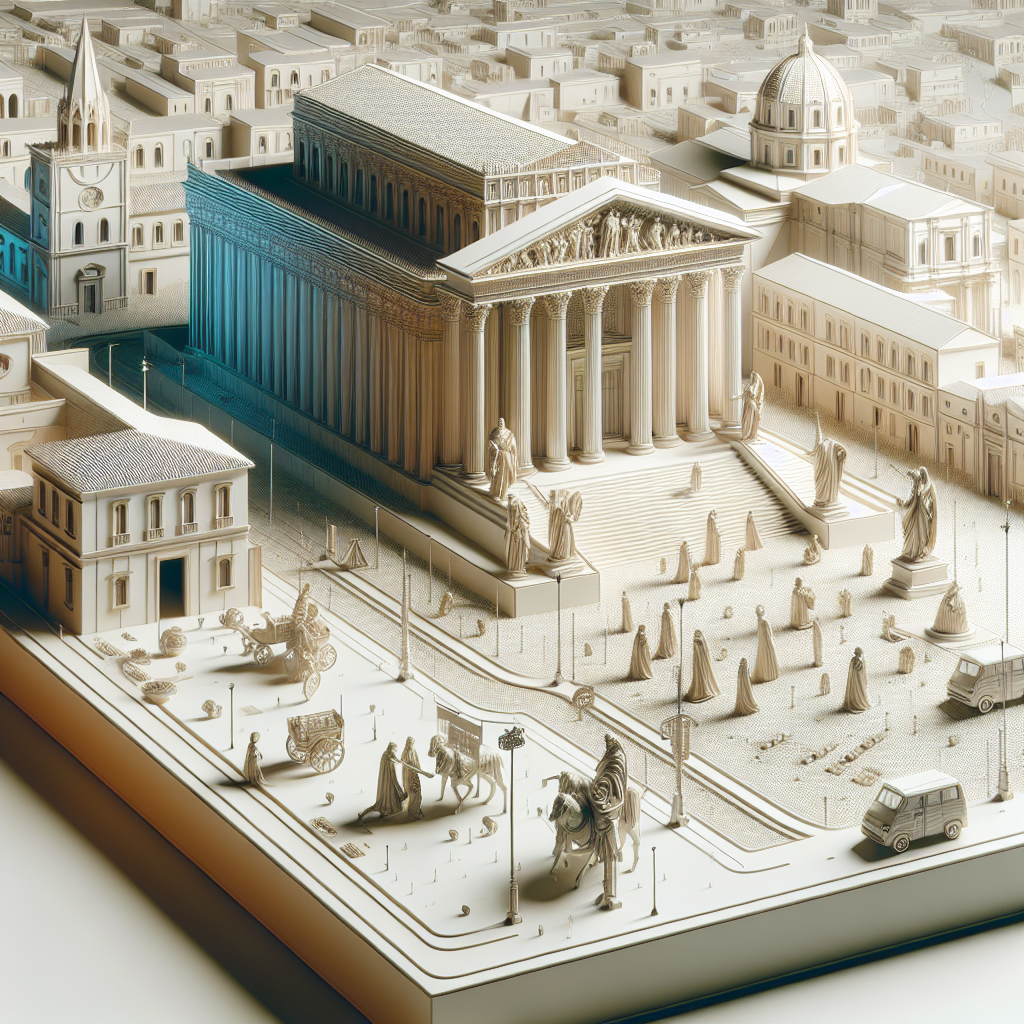

Nestled amidst the rolling landscapes of Cáceres in the autonomous community of Extremadura, Spain, the charming city of Plasencia greets you with stories old and new. Often described as the hidden gem of Spain, this city captures your heart with its rich history that dates back to the 12th century. Founded in 1186 by King Alfonso VIII, Plasencia was a strategic military town due to its prime location between central Spain and Portugal. Its purpose was both defensive and aggressive: to fortify against Moorish incursions and secure Christian presence in the region.
Plasencia’s architecture tells the tales of various epochs, from the ancient walls that embrace the city, to its Renaissance and Baroque influences visible in its cathedrals and palaces. As you wander its cobblestone streets, especially the vibrant Plaza Mayor, you can almost hear whispers of past centuries, echoing the lives of those who once strolled the same paths. The juxtaposition of different historical periods creates a mosaic of experiences, offering something unique even to the modern visitor.
What makes Plasencia truly fascinating is not just its historical significance but also its cultural diversity. Throughout its history, it has hosted an array of cultures that have left indelible marks. The Jewish community, for instance, flourished here until their expulsion in 1492. Their presence is still felt in the Jewish quarter, now a quaint reminder of a once-thriving community.
In the 15th century, Plasencia was awarded the title of "City" by Ferdinand II of Aragon, marking a significant turning point in its development. The construction of the New Cathedral in the 16th century symbolized the growing importance of Plasencia within the Spanish Empire. This Gothic cathedral slowly transitioned into a Renaissance masterpiece, embodying the city’s movement towards a more modern era.
As a politically liberal soul, one might appreciate Plasencia's commitment to preservation and sustainability, balancing its historical treasures with the needs of contemporary life. This has sometimes been a source of debate, with developments that risk overshadowing ancient marvels. Such discussions emphasize the dynamic tension between tradition and progress, a common theme in many historical cities.
Today, Plasencia remains a small but lively city, blending the old with the new. The local markets still teem with life, offering a glimpse of the region’s rich agricultural bounty. The Sierra de Gredos and Monfragüe National Park nearby provide lush natural escapes, reminding us of the timeless beauty surrounding the city.
A visit to Plasencia invites reflection on the nature of history itself - how past actions shape current identities and futures. For the visiting Gen Z, the city's story poses a thought-provoking narrative. It asks: What legacies are we building today? It challenges preconceived notions about the simplicity of historical places and compels us to see them as vibrant, complex realms deserving exploration and respect.
The city stands resilient through the waves of time, constantly redefining itself while honoring its roots. By understanding cities like Plasencia, we better understand the broader human tapestry, woven together by centuries of communal and individual effort. Plasencia is more than a dot on a map; it’s a testament to the enduring spirit of human adaptation and interaction, a place where the past and present coexist seamlessly.