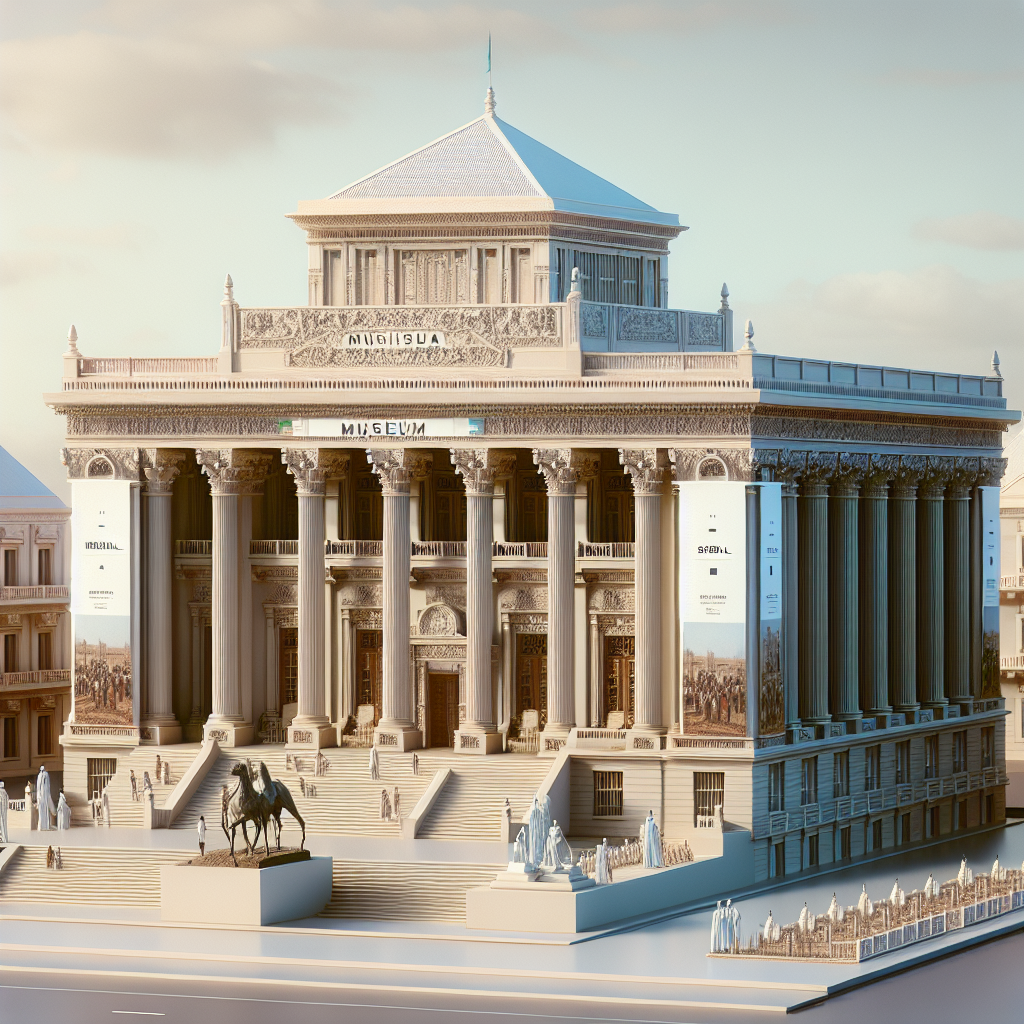

Unraveling history feels like scrolling through an ancient Instagram feed, where every corner holds a story, some heartwarming, others heart-wrenching. The Historical Museum of Senegal on Gorée Island is such a space, chronicling centuries of Senegal's tumultuous yet rich cultural tapestry.
Once you step onto Gorée Island, located off the coast of Dakar, you're transported to a narrative that spans from the 15th century to modern times. This museum building stands resilient, overlooking the pastel-hued streets lining the island. Originally built in the mid-19th century as a fortress by the French, the museum now stands as a monument commemorating the dynamic and often painful interactions between Africa and Europe.
Gorée’s history is intertwined with the legacy of the transatlantic slave trade, a deeply emotional topic for many. Imagine a place where millions of Africans were held before being shipped off to lives of untold hardship. It's a painful yet necessary reflection. The museum provides insight into this harsh reality through artifacts, detailed archives, and narratives that give voices to those who suffered. However, it also highlights the resilience and cultural richness of Senegalese heritage.
Walking through the museum, you find exhibitions that speak provocatively about cultural preservation, the impact of colonialism, and the milestones of Senegal’s path to independence. Artifacts like chains and shackles contrast with traditional musical instruments and elaborate textiles, symbolizing the tension between oppression and cultural vibrancy.
The island of Gorée is known for the Musée des Esclaves (House of Slaves), a neighboring institution that complements the historical museum by focusing intensely on the slave trade. This juxtaposition offers a broader understanding of the island's poignant significance. It's like an emotional echo chamber where layers of history resound through the rustic architecture and poignant displays.
While some argue that constantly reminding people of these dark chapters risks reopening old wounds, there's another side: education and awareness. For Gen Z, grappling with issues of race, identity, and history in today's global landscape, knowledge gained from such museums is a powerful tool for empathy and understanding. The historical museum strives to maintain a delicate balance between honoring the past and forging a brighter future.
Critics sometimes suggest that the museum should expand to include more narratives from diverse perspectives, such as those of European settlers and traders who lived on the island. These narratives, while uncomfortable, are part of the broader conversation around reconciliation and understanding. Promoting dialogues that include all angles can offer richer insights into the multifaceted tapestry of history.
Visiting Gorée Island and its museum is not just an educational trip; it’s a dive into shared humanity. Whether you're standing in the cool shade of its arched entryways or stooping to examine a delicate fabric, you're connecting with stories that define us globally. Every artifact bears testimony to struggles and achievements, lessons, and legacies.
This museum also plays a role in the local communities by driving tourism. This blend of education and economic activity empowers local residents. It showcases Gorée as more than just a historical site but as a living, breathing part of Senegal's cultural identity. Discussions about the balance between preserving sites for cultural significance versus economic gain remain relevant. As much as it is important to respect these spaces as educational and memorial landmarks, they also provide livelihoods to those who inhabit the island.
In conclusion, the Historical Museum of Senegal is an emblem of both contemplation and celebration. It refuses to let history be buried beneath the sands of time. Visiting with an open mind and a curious heart, you're not only witnessing the past but participating in a dialogue that shapes our future. History, with all its complexities, becomes more than just an academic subject—it transforms into a lived experience.
For many in Gen Z, grappling with an array of social issues and historical complexities is not just about knowing what happened. It’s about understanding why it happened and how it influences the world we live in today. This museum is a bridge to such understanding, challenging perceptions, prompting questions, and offering a space for reflection and growth.