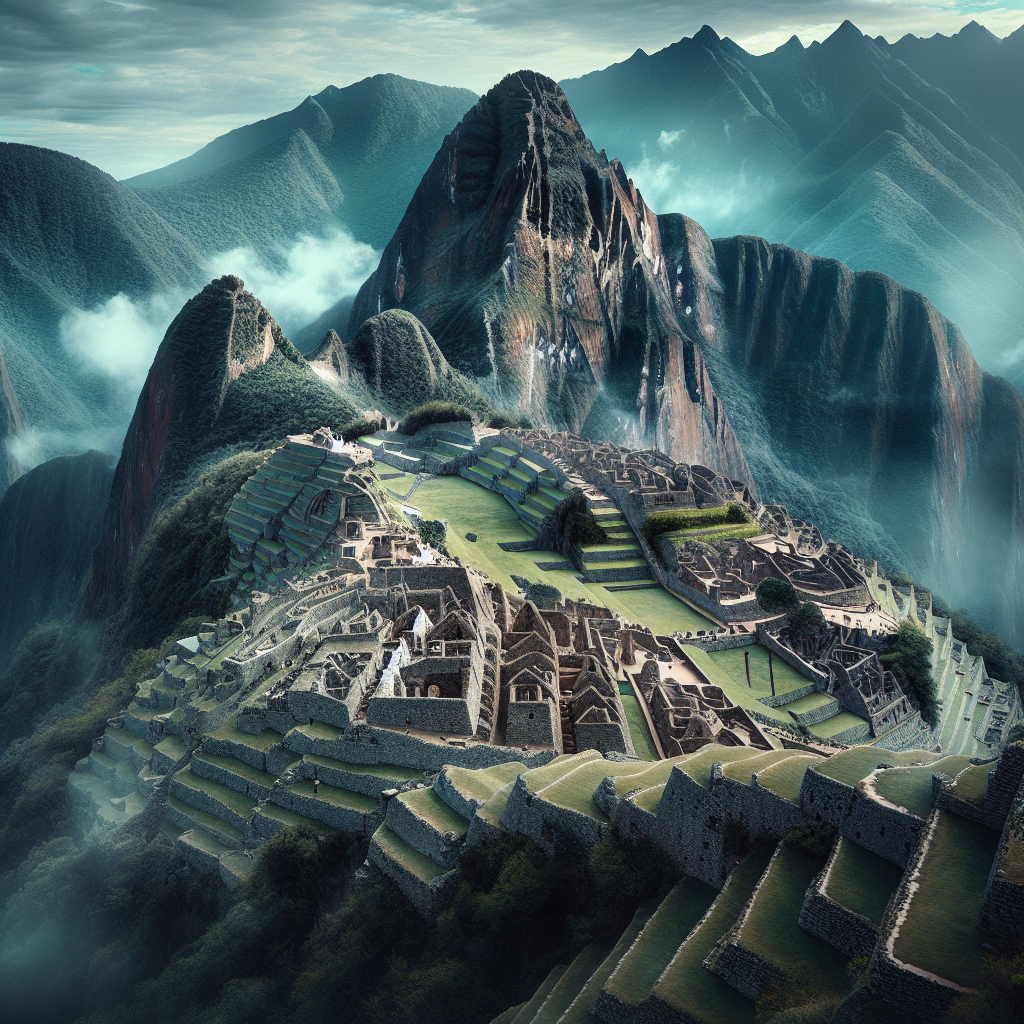

Imagine stepping into a time machine and finding yourself back in the hustle and bustle of ancient civilizations, or witnessing firsthand the groundbreaking moments that shaped our modern world. Historic sites offer just that—a portal to personal and collective pasts, where bricks and stones whisper secrets, and the air is thick with stories that demand to be heard. These sites are more than mere landmarks; they are profound storytellers, sharing narratives as old as time itself. Historic sites span across cultures and continents, from the ancient pyramids of Giza, built around 4,500 years ago, to the Berlin Wall, which fell just over three decades back. They include diverse sites like Hiroshima Peace Memorial in Japan, the Inca Citadel of Machu Picchu, and the multicultural wonder of India’s Taj Mahal. Each site encapsulates critical chapters of human history, standing as a testament to our greatest feats and our gravest follies.
Visiting these places provides a tactile realization of history that textbooks and digital screens often fail to deliver. Walking the cobblestoned streets of Pompeii or gazing at the vast Grand Canyon is not just about seeing sights, but about feeling the pulse of human endeavor across time. Many Gen Z travelers are turning their eyes to these historic sites, not only for their aesthetic value or Instagram potential but to experience history firsthand—a vital encounter in a world that's constantly rewriting and reimagining the past.
But like any tale, historic sites bring with them layers of complexity. Some argue that maintaining these sites is an expensive undertaking that countries could prioritize over by addressing pressing current issues such as poverty and climate change. Opponents of extensive preservation campaigns argue resource allocations should focus more on battling immediate challenges than maintaining relics. It’s a valid point, especially when seeing monstrous spending in the face of ongoing poverty or climate disasters. Yet, it's also crucial to acknowledge the socio-economic benefits these sites bring—tourism revenue, employment, cross-cultural education, and diplomacies that extend softly through cultural appreciation.
Moreover, it’s worth mentioning the diversity of narratives that historic sites often represent. Many sites, especially in regions that experienced colonization, have histories with layers of not just glory but also stories of oppression and resilience. The question remains: whose stories are we preserving and promoting? Are we giving voice to the suppressed and oft-ignored, the indigenous and the minorities? Therefore, in broader discussions, historic preservation should also be about comprehensive storytelling, ensuring all voices echo within these ancient walls.
On the flip side, one could argue that there’s an inherent romanticism in archeologically inclined tourism. It sometimes veers towards consumerism, where the essence of such profound experiences is diluted into mere checkboxes on travel itineraries. Critics might argue that this could lead to superficial engagements where the deep connection with history takes a backseat. Still, the potential for meaningful engagement exists, with educational tours, workshops, and local guides who tell stories beyond the pages of well-decorated guidebooks, transforming initial wonder into deeper understanding and appreciation.
In today’s digital landscape, where young people champion progressive ideals and fight for equality and representation, historic sites offer a valuable contrast. They serve as a grounding axis in the fast-paced, ever-changing modern world. Whether it’s taking a stand at Stonewall in New York, reflecting on the tragedies at Auschwitz, or celebrating community achievements at the Great Wall of China, young people find relevance in historic sites. Here lies the chance to affirm values and navigate personal identity amidst the tapestry of human legacy.
Gen Z, often dubbed the most connected and digitally apt generation, is increasingly interested in context and authenticity. As environmental consciousness rises, so does the desire for sustainable travel. Historic sites need to adapt and strive, ensuring their preservation efforts don’t harm the local ecosystems yet engage effectively with eager young travelers looking to learn, challenge, and, perhaps, make amends.
Ultimately, historic sites are not just about preserving past achievements and avoiding mistakes—they’re about forging connections. Through knowledge, cultural understanding, and emotional resonance, they offer a bridge from where society is to where it ought to be headed. Visiting these places is a humbling reminder that as we sculpt the future, we stand on the shoulders of those who’ve come before.
As long as these whispers from the past continue to guide the voices of the present, historic sites stand as beacons of continuity and change, bridging generations and ideas in a world both old and new.