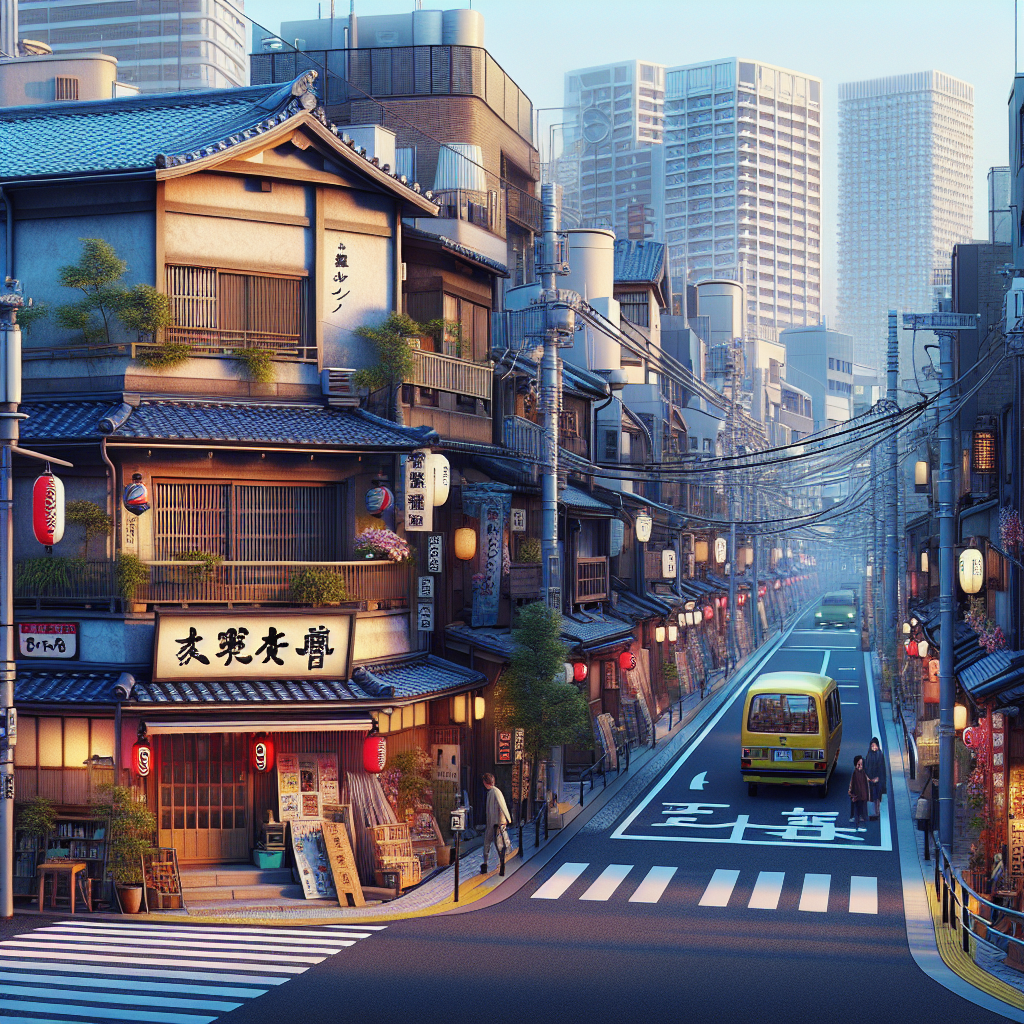

Ever wondered where you can find Tokyo's hidden gem that balances tranquility with the hustle and bustle of city life? Hatsudai is your answer. Nestled in the vibrant Shibuya ward, Hatsudai has a unique charm that peaks the interest of those who venture beyond the Instagram-famous spots like Shibuya intersection. It's a neighborhood where time seems to slow down, yet the energy never dips, making it an unsung hero of Tokyo's sprawling map. From its bustling modern quarters to its tranquil green spaces, Hatsudai offers something captivating.
While Tokyo enjoys a reputation for its sophistication and fast-paced lifestyle, Hatsudai presents a different narrative. It's a spot frequented by those who wish to be engrossed in the city's authentic vibe without the overwhelming crowds. Hatsudai is home to a melting pot of cultural scenes and diverse food arrays that prove to be a visual and culinary treat. Famous for its New National Theatre, it's a haven for Tokyo's artists and dramatists, providing them with a prestigious stage to showcase their artistry.
Many might wonder what makes Hatsudai stand out in a city that seems to unveil endless surprises. The answer lies in its fusion of modernity and tradition, culture and convenience, all rolled into one compact neighborhood. It's a place where cool cafes run by passionate artisans coexist comfortably with older establishments, retaining the area’s nostalgic charm. Hatsudai invites exploration—whether you're wandering through its artisan markets or sipping coffee in a cozy corner café.
Situated a heartbeat away from Shinjuku, you’ll find Hatsudai welcoming young professionals, students, and expatriates seeking a quieter scene. It's where people are drawn by a sense of community not easily found in other parts of Tokyo. There's a focus on fostering kindness and understanding among its diverse population, welcoming both locals and foreigners with open arms. This area serves as an example of how traditional residents can harmoniously share space with the city's newcomers, creating a model of inclusion and mutual respect.
Tokyo Opera City, a significant landmark in Hatsudai, draws classical music enthusiasts from all over. It's an elaborate maze of music halls, galleries, and office towers, where you can lose track of time. The building is an architectural marvel itself, with its glass façade shimmering under the Tokyo sun. The place hums with a cultural allure that goes beyond just music—it boasts art exhibitions and gourmet eateries that cater to sophisticated palates.
For those who want to experience local flavors, Hatsudai offers great options. Independent eateries and Izakayas provide authentic tastes distinct to the area. Some establishments date back decades, offering a historical sense of taste that harks back to Japan’s economic boom of the late 20th century. These little venues not only provide delicious meals but also a conversational click between travelers and locals. Here, you learn about the Japanese way of life in a manner that transcends language barriers.
Interestingly, in Hatsudai lies a commitment to environmental awareness. Amidst its urban setting, you’ll discover several parks and green belts serving as lungs to the restless streets. Yoyogi Park, while not entirely within Hatsudai’s boundaries, is nearby and offers an expansive escape into nature. The emphasis is on providing green spaces to support mental well-being, encouraging visitors to disconnect from the digital world—for a moment, at least.
For a neighborhood so steeped in authenticity, Hatsudai also embraces the digital era. Many startups and tech companies have made Hatsudai their home, attracted by the balance between tranquility and urban convenience. The area becomes a fusion point for innovation, where Japanese etiquette meets Western creativity and technology, showing that tradition and progress can walk hand-in-hand.
There are opposing views to such rapid modernization, particularly from long-standing residents who cherish Hatsudai's nostalgic past. They argue that as more buildings and businesses are erected, the old-world charm of Hatsudai may diminish. It’s a conversation about preserving cultural identity while embracing inevitable change—a relevant topic for young folks curious about balancing progress with preservation.
Hatsudai is more than just a convenient spot outside bustling Shinjuku. It stands as a testimony to what urban living can be when people prioritize community, diversity, and inclusivity. This Tokyo ward remains a microcosm of broader societal conversations, setting an example for cities worldwide to imagine urban locales as places where everyone can belong, grow, and thrive together.