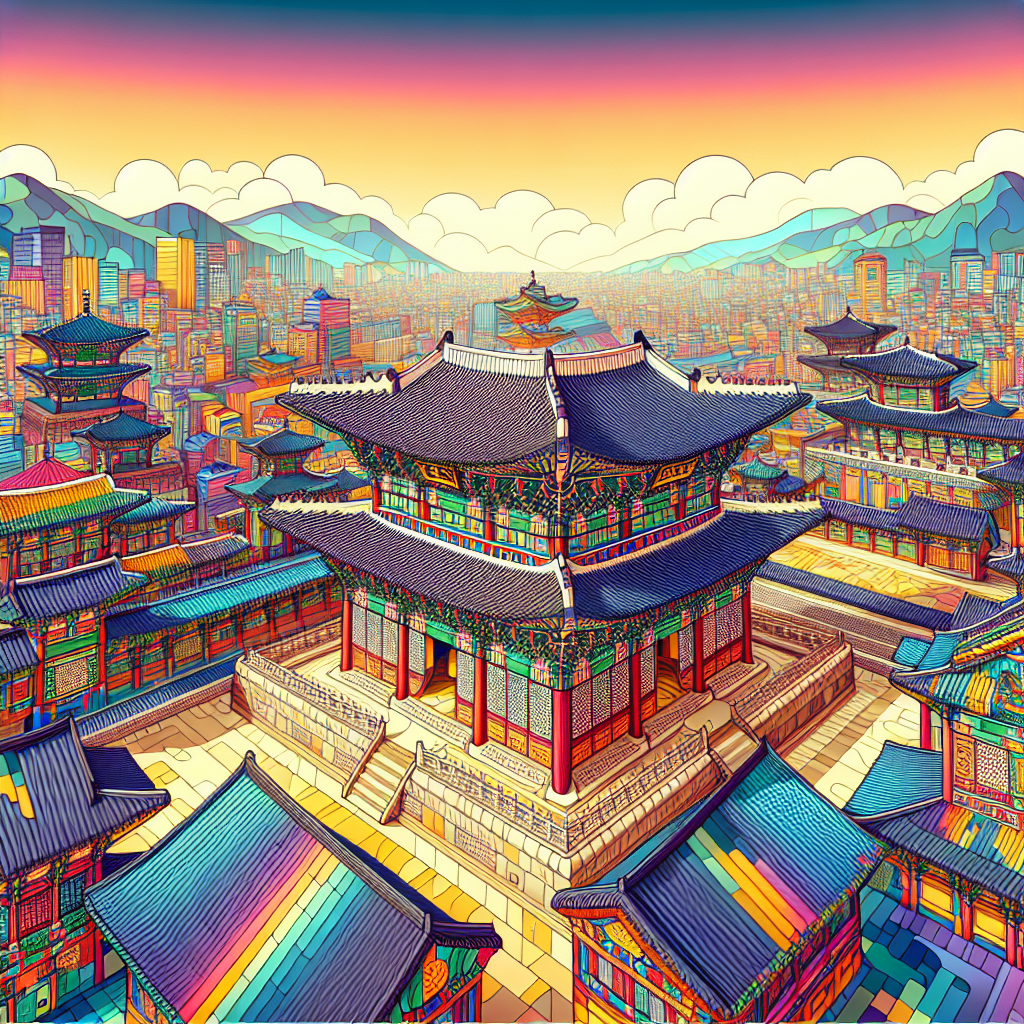

Gyeongbokgung: A Palace of History and Resilience
Imagine stepping into a time machine and landing in the heart of ancient Korea, surrounded by the grandeur of a royal palace. That's exactly what visiting Gyeongbokgung feels like. Gyeongbokgung, also known as the "Palace Greatly Blessed by Heaven," is a historic palace located in Seoul, South Korea. It was originally constructed in 1395 during the Joseon Dynasty, serving as the main royal palace for over 500 years. This architectural marvel is not just a symbol of Korea's rich history but also a testament to its resilience, having been destroyed and rebuilt multiple times due to invasions and wars.
Gyeongbokgung is a sprawling complex that once housed the king and his court, and it remains a significant cultural landmark today. The palace is a stunning example of traditional Korean architecture, with its elegant wooden structures, intricate carvings, and beautifully landscaped gardens. Visitors can explore the various halls and pavilions, each with its own unique purpose and history. The changing of the guard ceremony, held at the main gate, is a popular attraction that offers a glimpse into the past.
The palace's history is a reflection of Korea's turbulent past. It was first destroyed during the Japanese invasions of Korea in the late 16th century. It was later rebuilt in the 19th century, only to be demolished again during the Japanese occupation in the early 20th century. The restoration efforts that began in the 1990s have been crucial in preserving this important piece of Korean heritage. Today, Gyeongbokgung stands as a symbol of national pride and cultural identity.
While Gyeongbokgung is a source of pride for many Koreans, it's important to acknowledge the complex history it represents. The palace is a reminder of the struggles Korea faced under foreign rule and the resilience of its people. For some, it may evoke painful memories of colonization and loss. However, it also serves as a testament to the strength and determination of the Korean people to preserve their culture and history.
For visitors, Gyeongbokgung offers a unique opportunity to learn about Korea's past and appreciate its cultural heritage. The palace is not just a tourist attraction but a living museum that tells the story of a nation. It's a place where history comes alive, and where the past and present coexist. Whether you're a history buff or simply curious about Korean culture, Gyeongbokgung is a must-visit destination.
In a world where modernity often overshadows tradition, Gyeongbokgung stands as a reminder of the importance of preserving our cultural heritage. It teaches us that history is not just about the past, but about understanding who we are and where we come from. As we walk through its ancient halls and gardens, we are reminded of the resilience of the human spirit and the enduring power of culture and tradition.