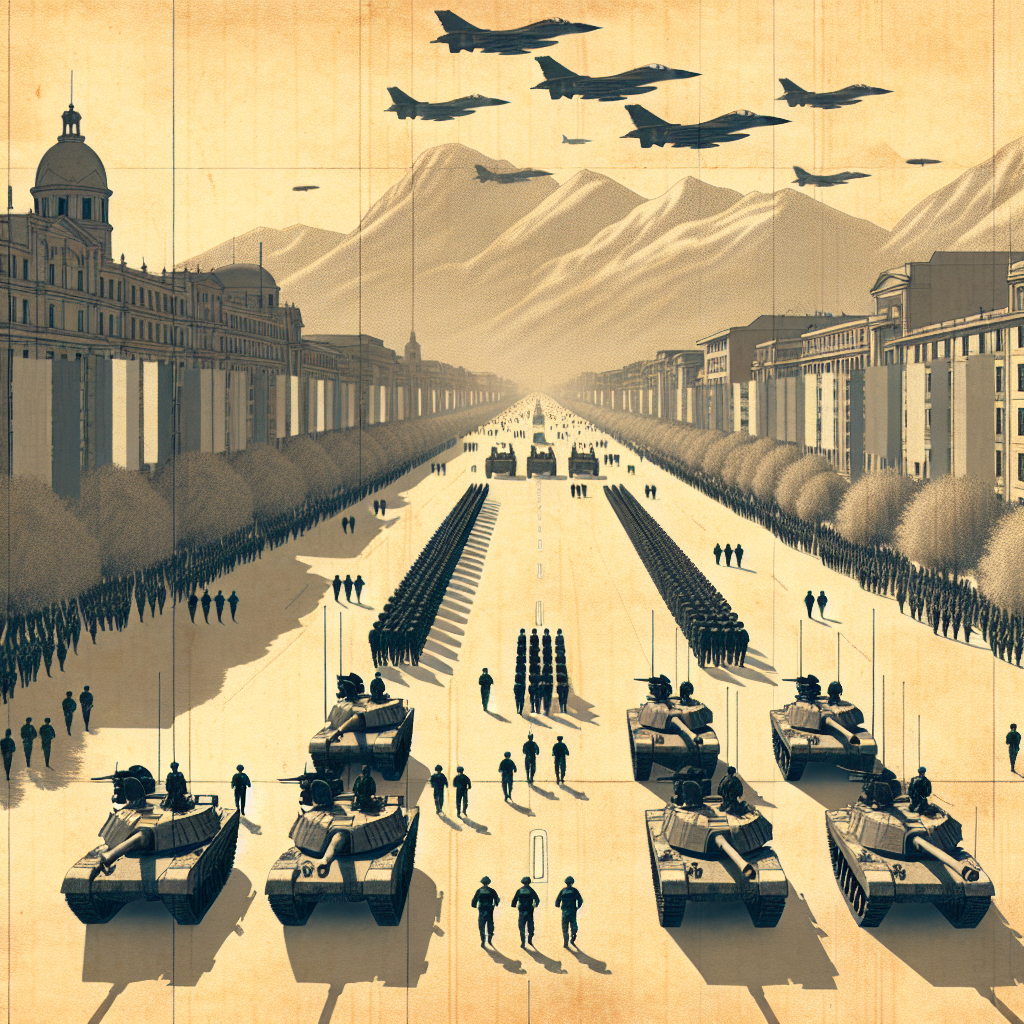

Every year on September 19th, Chile comes alive with a spectacle of pomp, precision, and national pride during the Great Military Parade. Known locally as the 'Parada Militar,' it is a grand performance of military might and a celebration of Chile’s independence, held in Santiago's sprawling O’Higgins Park. Emerging from the shadows of historical struggles, this event represents Chile's journey and unity. It's not just a display of power but a nod to the past, acknowledging the blood and sweat that paved the way for today's freedoms.
This parade marks the 'Día de las Glorias del Ejército,' honoring the glories of the Chilean Army. It isn’t merely a day to admire soldiers in their immaculately pressed uniforms step in perfect harmony or to ogle at the latest military hardware. It’s a day to embrace a shared heritage. To remember the battles fought, whether against colonial powers or internal strife, which shaped the nation. The event is both a trip down memory lane and a declaration of readiness for future challenges.
Observed by thousands in person and by millions via media, the parade is a kaleidoscope with varied military branches parading in dazzling regalia, aircrafts soaring overhead, and naval might showcased. There is a rhythmic beauty in watching soldiers, all resolute and unyielding, march to the beat of history itself. And as much as it’s about the uniformity, the diversity within the ranks mirrors Chile’s rich cultural tapestry, a young, multicultural generation ready to engage with the global stage while still rooted in their identity.
However, looking beyond the grandiosity and pageantry, it's essential to acknowledge the debates stirred by this spectacle. Critics argue that the resources poured into the parade might be better spent on social programs or educational ventures, especially in times when communities are grappling with poverty and inequality. For a generation growing up in an era defined by connectivity and consciousness, the question arises whether the values celebrated in such a parade resonate with their vision of a society that prioritizes equality, sustainability, and collaboration.
Yet, proponents highlight that the parade serves a dual purpose. It's not just about brandishing weapons and showcasing military strength. It attempts to foster national cohesion, providing an opportunity to reflect on historical lessons, unity in diversity, and resilience in adversity. It becomes a stage where dialogues intersect, where stories of valor are shared, and where appreciation for peace – however fragile – is acknowledged.
Amidst these differing views, the parade remains a formidable tradition. A time capsule if you will, coupling the old with the new, celebrated not just for what it is but for what it symbolizes. The resurrection of national pride through the narratives of dedication and discipline, opening a forum to reevaluate what national pride truly means in contemporary life. For a young person watching, it may invoke a desire not just to serve in a military sense but to serve the community, to build bridges and foster peace in more nuanced, dynamic roles.
The Great Military Parade is loud; its military bands and drumbeats resonate through the city from sunlit streets to the peaks of the Andes. It raises questions about identity, citizenship, and future trajectories, reflecting the struggles of constructing a shared future from a complex past. But therein lies its beauty – an invitation to reflect, criticize, and eventually, create something better.
A reflection of human tenacity to stand resilient, the Parada Militar continues to be much more than early morning drills and shiny artillery. It’s a day that, despite evolving societal norms and values, still anchors Chileans to their roots while nurturing aspirations for an inclusive future.