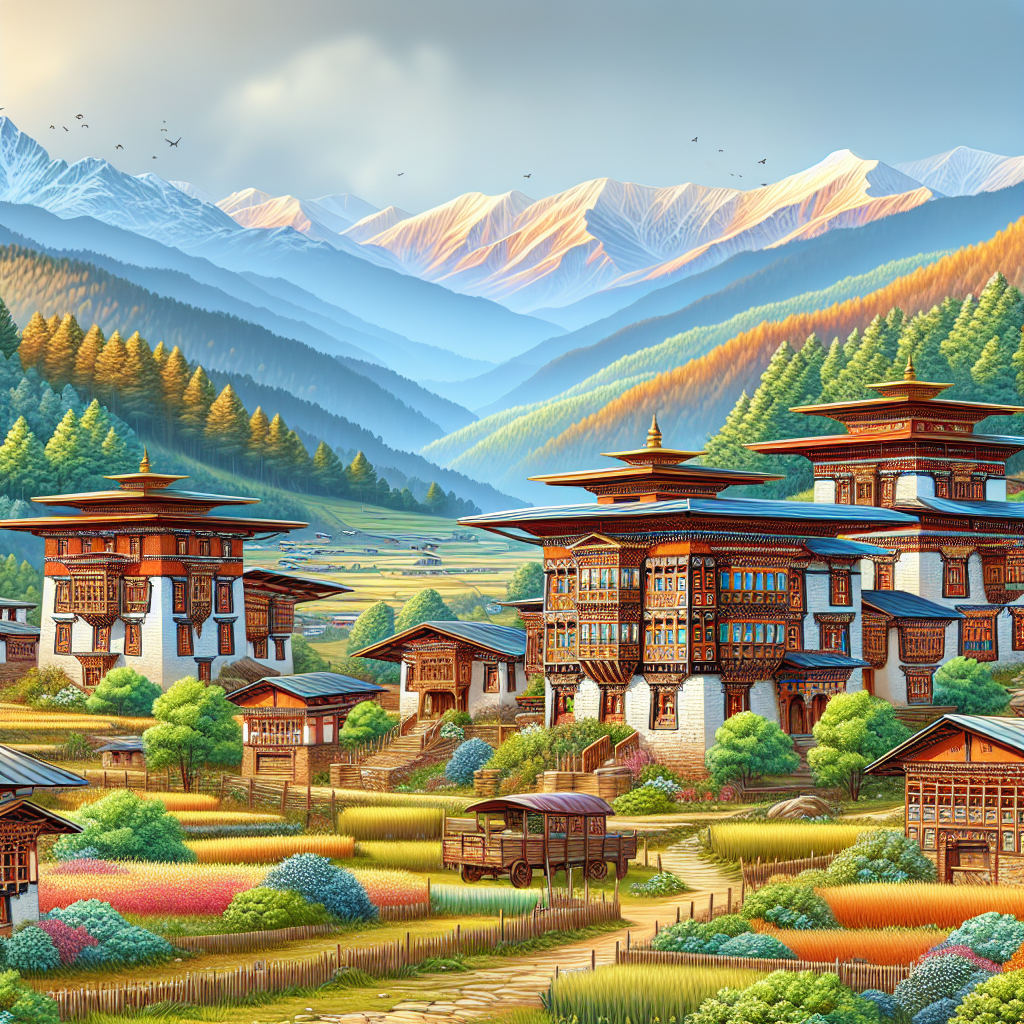

Exploring the Charm of Gomdar Gewog
Nestled in the heart of Bhutan, Gomdar Gewog is a hidden gem that offers a unique blend of culture, tradition, and natural beauty. This small administrative region, located in the eastern part of the country, is part of the Samdrup Jongkhar District. Known for its lush landscapes and vibrant communities, Gomdar Gewog is a place where time seems to stand still, allowing visitors to experience the authentic Bhutanese way of life. The gewog is home to several villages, each with its own distinct character and charm, and is a testament to Bhutan's commitment to preserving its cultural heritage.
Gomdar Gewog is not just about picturesque landscapes; it is also a place of deep cultural significance. The people of Gomdar are known for their warm hospitality and strong sense of community. Traditional festivals, or "tsechus," are an integral part of life here, bringing together villagers to celebrate and honor their deities through dance, music, and rituals. These festivals are not only a spiritual experience but also a social one, strengthening the bonds between community members and passing down traditions to younger generations.
The gewog's economy is primarily based on agriculture, with rice, maize, and millet being the main crops. The fertile land and favorable climate make it an ideal location for farming, and the locals take great pride in their agricultural practices. In recent years, there has been a push towards sustainable farming methods, reflecting Bhutan's broader commitment to environmental conservation. This shift not only helps protect the natural beauty of the region but also ensures the long-term viability of the local economy.
While Gomdar Gewog is steeped in tradition, it is not immune to the challenges of modernization. The younger generation, like their peers around the world, is increasingly drawn to urban areas in search of better educational and employment opportunities. This migration poses a threat to the preservation of the gewog's cultural heritage and traditional way of life. However, there is a growing movement among the youth to return to their roots, driven by a desire to maintain their cultural identity and contribute to their communities.
The Bhutanese government has recognized the importance of supporting rural areas like Gomdar Gewog and has implemented various initiatives to improve infrastructure and access to services. These efforts aim to create a more balanced development across the country, ensuring that rural communities are not left behind in the pursuit of progress. By investing in education, healthcare, and connectivity, the government hopes to provide the residents of Gomdar with the tools they need to thrive in a rapidly changing world.
For those who have the opportunity to visit Gomdar Gewog, it is an experience that leaves a lasting impression. The breathtaking landscapes, rich cultural traditions, and the genuine warmth of the people make it a place like no other. It serves as a reminder of the importance of preserving cultural heritage in the face of globalization and the value of community in an increasingly individualistic world.
Gomdar Gewog is a microcosm of Bhutan's unique approach to development, where progress is measured not just in economic terms but also in the well-being and happiness of its people. It is a place where tradition and modernity coexist, offering valuable lessons for the rest of the world. As we navigate the complexities of the 21st century, the story of Gomdar Gewog reminds us of the importance of balance, sustainability, and the enduring power of community.