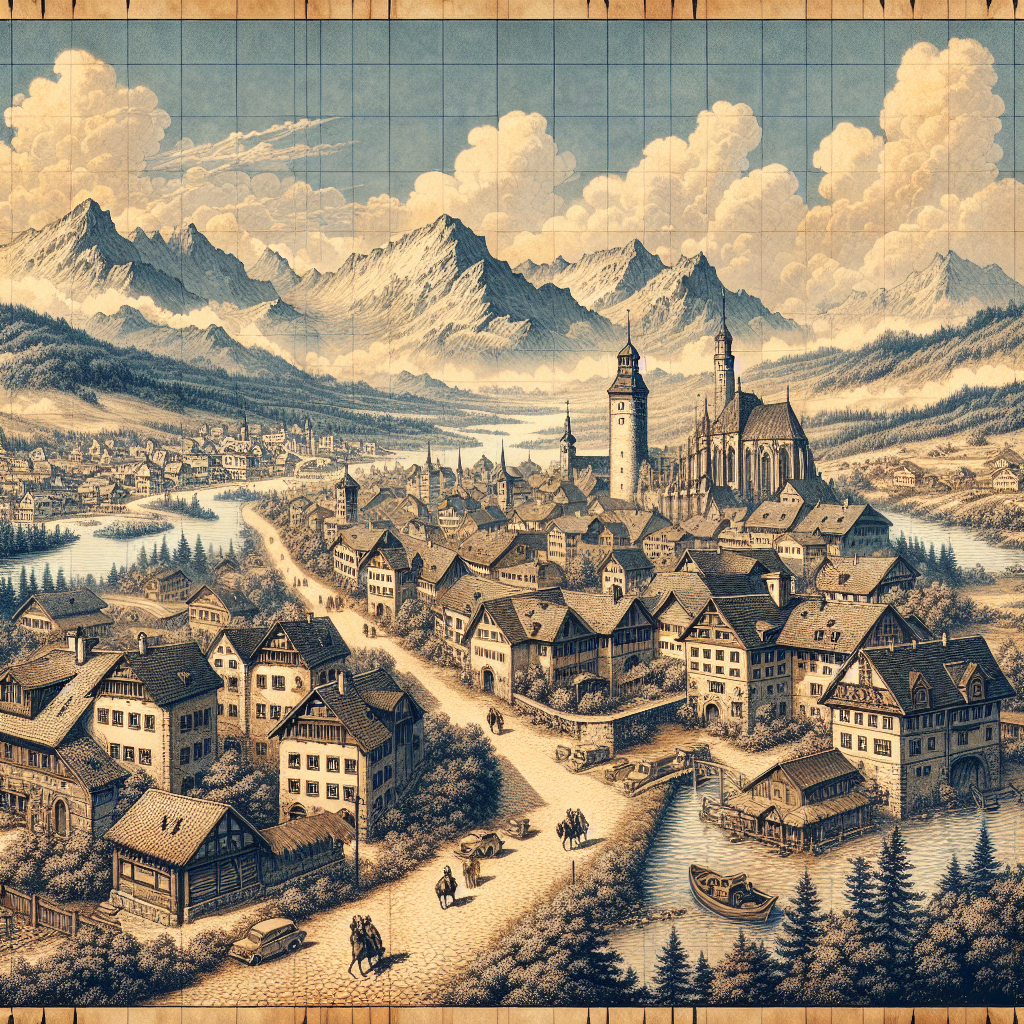

Gmina Chorzele, a lesser-known yet fascinating locale in Poland, might not be on everyone's map, but it's definitely worth the attention of those keen on exploring unique stories and cultures. Situated in the picturesque region of Masuria, this administrative district, known in the regional vernacular as a 'gmina', catches one’s eye with its blend of quaint historical charm and contemporary rural life. The town of Chorzele serves as the heart and administrative seat of this gmina, bringing together people, culture, and experiences that span hundreds of years.
A notable fact about Gmina Chorzele is its interesting geographical positioning in northeastern Poland, within the Masovian Voivodeship, that plays host to nearly 9,000 residents. This community knits together the old and the new, with historic architecture standing side-by-side with modern infrastructure. While it's not brimming with bustling city life, its calm demeanor appeals to those who appreciate slow living and the beauty of natural landscapes.
Tracing back through its history, Chorzele has seen a variety of political shifts that define much of its identity today. This area, like much of Poland, experienced occupation and liberation that oscillated with the tides of European conflicts, especially during the 20th century. World War II left significant marks on Chorzele, echoing stories of resilience, loss, and reconstruction. The post-war era saw the redevelopment of the area as part of the wider efforts to restore Poland's decimated sectors. In contemporary times, this backdrop serves as a poignant reminder of the town's spirit of perseverance.
Now, the landscape of Gmina Chorzele is dotted with landmarks such as St. Stanislaus Church, which not only acts as a place of worship but as a storied symbol of the community's enduring faith and social fabric. Small businesses populate the streets, primarily focusing on agriculture, with the fertile lands yielding crops that supply the surrounding regions. With environmental concerns becoming global, there's increasing awareness among the locals about sustainable farming practices, though the transition isn't without its challenges.
While the majority of its population is of Polish descent, the area has become gradually diversified with more people exploring its serene offerings. The youthful energy is palpable as younger generations take the mantle to enhance tourism and cultural exchanges, seeing opportunities to showcase Gmina Chorzele in international light. Every summer, traditional festivals breathe life into the community, celebrating the uniquely Polish yet universally relatable values of family, tradition, and community.
Of course, there's an ongoing discussion about how such a quaint locale can adapt to the pressures of modernity without losing its intrinsic charm. The geopolitics of climate change and rural economics plays a major role here. On one hand, some advocate for the preservation of age-old traditions and the scenic rural environment. On the other, proponents of modernization argue that with appropriate development, Gmina Chorzele could bolster its economy and provide better opportunities for its younger residents who might otherwise migrate to larger cities.
Despite these challenges, Gmina Chorzele stands as a testament to the beauty of coexistence between history and progress. It's this unique fusion that can teach broader lessons on harmony and understanding. As more travelers look beyond the usual tourist destinations, there’s a growing appeal to explore places like Chorzele, offering authentic experiences away from the typical hustle.
Gmina Chorzele has something to say to the world about resilience and community spirit. While it might be a small dot on the map, it casts a profound shadow through its stories, making it an engaging subject for those who are curious and open to appreciating life's subtleties. Even without grand-scale tourist attractions, Chorzele eloquently narrates its tale of human experience through each cobblestone street and countryside road.
With our increasingly interconnected world, the rich tapestry of lives and landscapes in Gmina Chorzele contributes to the collective story of Poland, beautifully interwoven with the broader European narrative. It is an invitation to pause, to listen, and to learn.