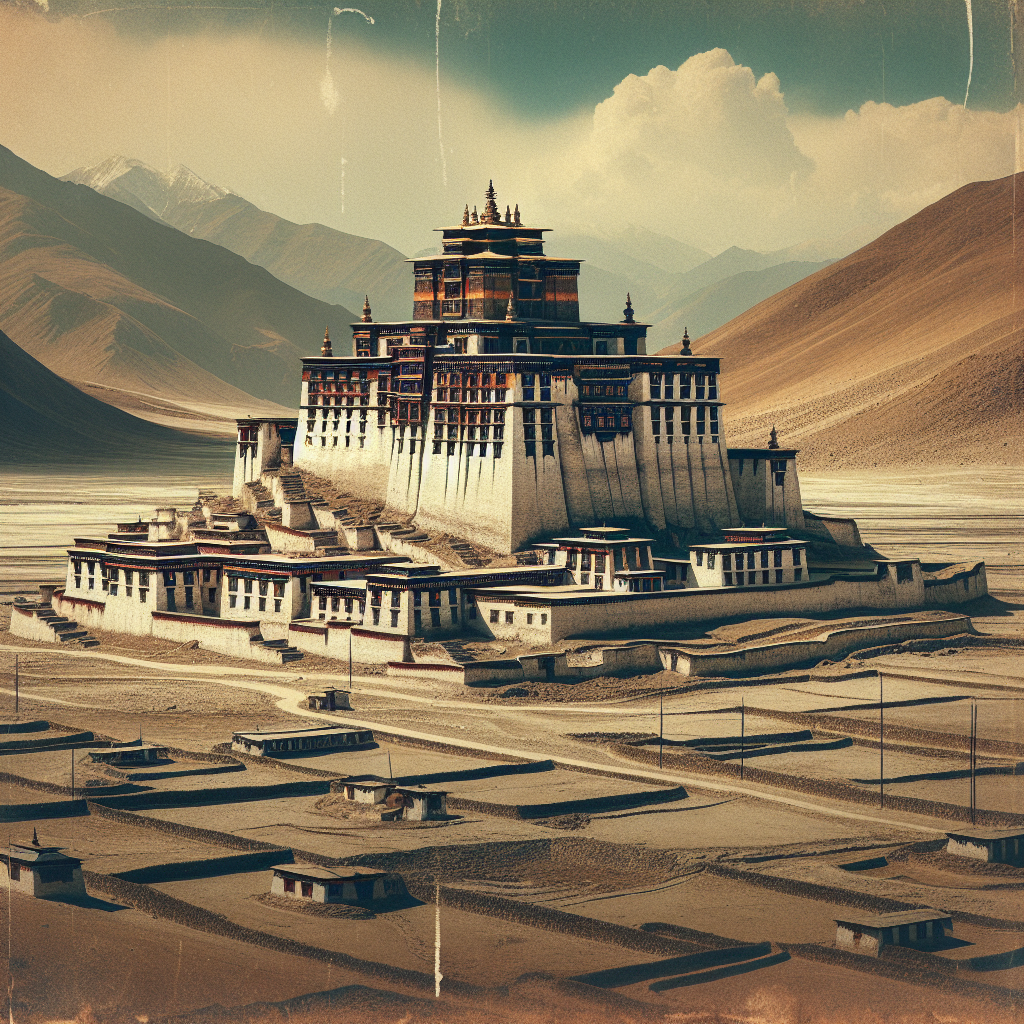

Nestled in the heart of the misty hills of Darjeeling, the Ghum Monastery isn't just a building; it's a vibrant page torn out from the culturally rich diary of historical India. Known officially as Yiga Choeling, this Buddhist monastery was established in 1850 by Lama Sherab Gyatso with the core mission of spreading the teachings of Tibetan Buddhism. Such an endeavor during the British colonial period, when cultural preservation was challenging, was nothing short of extraordinary. It's located in Ghum, a small town around 6 km from the buzzing Darjeeling, a town that's as famous for its tea as it is for its breathtaking Himalayan views. Ghum Monastery is nestled among clouds, at an altitude of 8,000 feet, making it one of the highest points in the region.
The main attraction of this monastery is a massive 15-foot high statue of Maitreya Buddha, also known as the future Buddha. Enshrined within the main hall, this statue might appear stoic, but it channels serenity and compassion into the hearts of all who visit. Surrounding Maitreya are numerous texts and relics, which are invaluable both in terms of spiritual teachings and historical relevance. These artifacts tell the stories of Buddhism’s journey from India to Tibet and back, reflecting resilience through oppression and time.
A visit to Ghum Monastery is an experience that transcends mere sightseeing. It's a spiritual journey that offers a reprieve from the dizzying pace of modern life. Whether you're Buddhist or of another faith, the monastery welcomes all with open arms and peaceful energy. Visitors can participate in morning rituals and hear the rhythmic chants of monks, accompanied by cymbals and horns. It’s a symphony of devotion that lingers in your soul long after you’ve left.
Despite its tranquility, Ghum Monastery is not immune to the tug-of-war that is development versus heritage preservation. Rising tourism has brought an influx of visitors, helping fund monastery maintenance but also putting pressure on its ancient structures. This balance is fragile, as the monastery's very essence of calm is under threat by the same allure of its mystic beauty. Meanwhile, locals and preservationists are finding innovative ways to manage tourism's footprint, ensuring that the monastery stands resilient as a beacon of cultural heritage. Opposing this are those who argue for unrestricted tourism to bolster economic growth in nearby communities. Both perspectives hold weight, as the economic ripple effect of tourism cannot be understated in these remote yet breathtaking areas.
In today's increasingly polarized world, Ghum Monastery stands as a reminder of the invaluable worth of cultural preservation, empathy, and collective responsibility. It teaches young generations to embrace history and cherish diversity, living out the timeless lessons of peace, understanding, and acceptance.
Whether you make the journey to witness its magnificent beauty or explore its historical depths, Ghum Monastery is a testament to the enduring spirit of Buddhist philosophy in the face of time. It's not just a monument but a living lesson that transcends faith and culture, inviting Gen Z and all visitors alike to remember the stories of our ancestors and the legacies they leave behind.