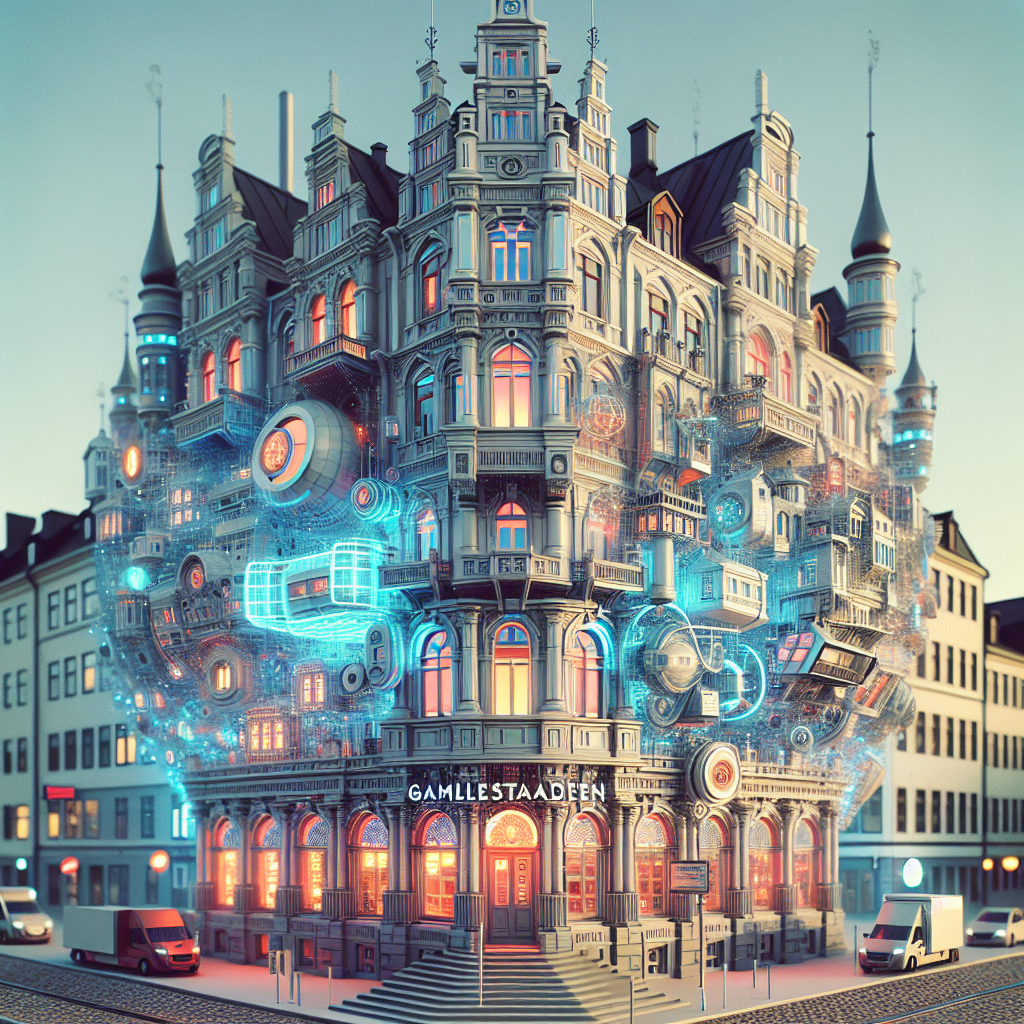

Gamlestaden, which means 'Old Town', is where Gothenburg's history embraces a fresh, edgy vibe, making it feel like the city’s coolest paradox. Located in the northeastern part of the city, Gamlestaden is famously one of Gothenburg's oldest districts. Originally a site of medieval significance, it now stands as a canvas where urbanization, tradition, and multiculturalism paint a modern tapestry. The evolution began from its days as an industrial hub in the 18th century, when factories and brick architecture defined its skyline, to its contemporary identity, influenced by waves of immigration, progressive art scenes, and a youthful community spirit.
Gamlestaden's revival in recent years has been nothing short of fascinating. A walk through its streets reveals layers of history and culture—an antique blend of the old and new. Its transformation didn't happen overnight. The drivenness of city officials, local organizations, and even grassroots movements ensured a redevelopment that honored the district's rich heritage while fostering inclusivity and innovation. The area now offers a glimpse into the diversity and dynamism that youth, artists, and immigrants bring. Art installations and graffiti murals breathe life into the ruggedness of its past structures, creating a blend that celebrates Gothenburg's progress with respect to its roots.
The district has become a melting pot for different cultures, cuisines, and languages blending harmoniously. A stroll down Brahegatan—or any of the bustling lanes—introduces you to previously hidden treasures like cafes celebrating cuisines from across the world, thrift stores bursting with vintage charm, and music venues vibrating with eclectic beats. Here, community events and festivals are regular affairs, providing platforms for people of all backgrounds to partake, fostering mutual respect and understanding.
Gamlestaden’s complex social fabric presents itself at every corner. Notably, its identity is enriched by displaced communities from various parts of the world seeking refuge and livelihood in Sweden. This inflow has inevitably led to enriching the socio-economic and cultural snapshots you encounter. Sometimes, debates rise about the rapid changes colonizing what’s deemed traditionally 'Swedish’. To some locals, the comfort of yesteryears may seem to be overwritten. Yet, in the eyes of many others, this intersection of culture is precisely what keeps a place vibrant and forward-driven, providing pathways for new voices to emerge.
The housing aspect in Gamlestaden is particularly interesting. Where once there were neighbourhoods facing decline, today lie modern apartments alongside renovated historic houses. Despite only being a short tram ride away from Gothenburg's central areas, living in Gamlestaden often means more affordable housing options, attracting young professionals and students. The demand here is on the rise though, sparking conversations about potential gentrification and affordability concerns amid its popularity surge. Advocates for housing justice voice the need for balance, ensuring all income groups can thrive here without displacement.
Sustainability is another recurring theme in Gamlestaden’s narrative. The district has embraced eco-friendly initiatives in its planning. Whether it’s green spaces in pocket parks or wider city-wide movements aiming for reduced carbon footprints, there is a shared understanding towards harmonious coexistence with nature. Community-driven planting projects and mindful everyday choices, like biking rather than driving, speak volumes about the commitment to sustainable living.
The intellectual and artistic vibes permeating the streets are palpable. Artisans and innovators find sanctuary in the area’s adaptive workspaces and culture houses. Creatives happily marry future-forward practices with traditions that hint back to the district's artisanal past—a fitting microcosm of the city's greater aspirations. The presence of cultural festivals and exhibitions is a testament to Gamlestaden’s role as a beacon of artistic expression. The arts here tell complex stories of identity, heritage, and dreams, reminding us of our shared human experience.
Gamlestaden’s sense of togetherness is undeniably authentic. Community initiatives, volunteer groups, and resident associations echo a strong voice in addressing neighborhood concerns. Whether campaigning for improved public transportation, preserving historical sites, or organizing local clean-ups, there's an unmistakable sense of collective ownership, defining progress by the community, for the community.
For all its charm, Gamlestaden isn’t just a postcard destination. The district serves as a model for balancing modernity with heritage, inclusion with nostalgia. Those who find the system’s shortcomings can certainly critique its slower willingness to adapt in certain frameworks or policies. Understandably, not everyone is on the same page regarding tempos of change, and debates around tradition, identity, and inclusivity are vital. On the flip side, Gamlestaden pushes us to envision the best possible future—a locality functioning as a bridge between worlds, transcending borders, cultures, and ideologies.
Gamlestaden stretches the narrative of Gothenburg beyond its central cosmopolitan flair. It compels communities to see beauty and potential where others may only see ruins of the past. It’s a district exemplifying every city’s struggle with change and choice, yet within it lies hope forged by its people—a youthful assurance that variety doesn’t dilute identity but strengthens it.