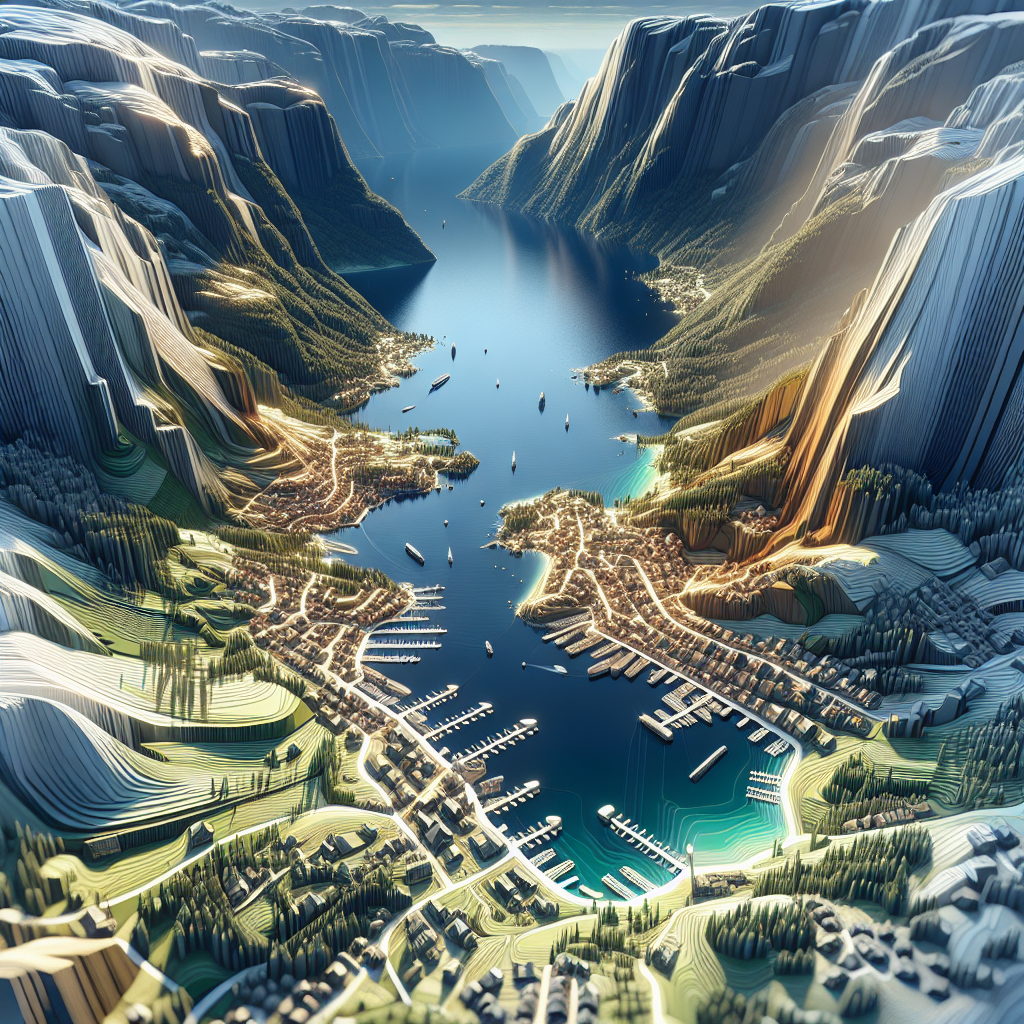

Nestled amid the enchanting fjords of Norway, Gáivuotna – also known as Kåfjord or Kaivuono – dances between the realms of untouched nature and living culture. Located in the heart of Troms og Finnmark county, this magical place draws you in with its dramatic landscapes and rich history. It has stood the test of time, sheltering communities that have clung to their traditions while embracing modernity in their own unique way. Visitors usually find themselves captivated by the harmonious blend of Sámi culture and Norwegian lifestyle.
The story of Gáivuotna is one of resilience and cultural vibrancy. The area is predominantly inhabited by the Sámi people, an indigenous group with a profound connection to the land and its seasonal rhythms. Their traditional practices, like reindeer herding, have shaped the local culture. This historic bond with nature is still celebrated in festivals and everyday life.
Winter in Gáivuotna looks as if it's straight out of a Nordic fairy tale, with snow-draped trees and the mesmerizing northern lights painting the sky. Summers, on the other hand, reveal lush valleys and vibrant wildflowers. This dramatic seasonal change is a draw for many visiting adventurers and nature lovers, who seek everything from midnight sun hikes to skiing down pristine slopes.
Yet, there's more beneath Gáivuotna’s surface than its gorgeous vistas. The area played a pivotal role during World War II. The infamous Tirpitz battleship, one of the largest ever built by the Nazis, was hidden in the waters of Kåfjord fjord to evade Allied forces. The evidence of wartime history is cherished by history enthusiasts visiting the museums and memorials now dedicated to this period.
Navigating the dialogues around Gáivuotna often involves an awareness of important socio-political issues. The rights of the Sámi people, land usage, and climate change are frequent topics of discussion. As liberal thinkers, it’s essential to understand the push for equality and cultural recognition the Sámi continue to fight for. The tension between preserving tradition and adapting to mainstream demands can be evident, but it's equally crucial to recognize the strides towards effective dialogue and mutual respect.
The economy of Gáivuotna thrives not just on tourism and agriculture but also increasingly on the integration of sustainable practices. This includes renewable energy initiatives harnessing wind and water power, emphasizing the need for eco-friendly transitions in similar communities worldwide. It’s a reminder that rural innovation can redefine modern living through deep-rooted wisdom and fresh perspectives.
If you are planning a visit, expect to witness colorful sámi handicrafts at local markets, luphening glee at traditional music gatherings, and the intricate embroidery in Sámi garments revealing stories of the past. Whether you engage in one of the many guided tours, or simply wander alongside the fjord, you'll find that this place is a living museum of both natural and human heritage.
On the flip side, some may argue the influx of tourism can threaten Gáivuotna’s charm, overburdening its resources and potentially diluting cultural practices. While the quest for experiencing different cultures firsthand can bring income to the area, it demands responsible tourism practices be a priority. This tug-of-war between economic benefit and cultural conservation requires constant negotiation and thoughtful strategies from both residents and visitors.
Gáivuotna represents a microcosm where history, culture, and nature coalesce beautifully, yet maintain a delicate balance. It serves as a beacon urging the global community to appreciate and protect its diverse cultural tapestries without compromising the environment's sanctity. Through learning and understanding, one can appreciate this hidden gem as a testament to human perseverance and its enduring legacy.