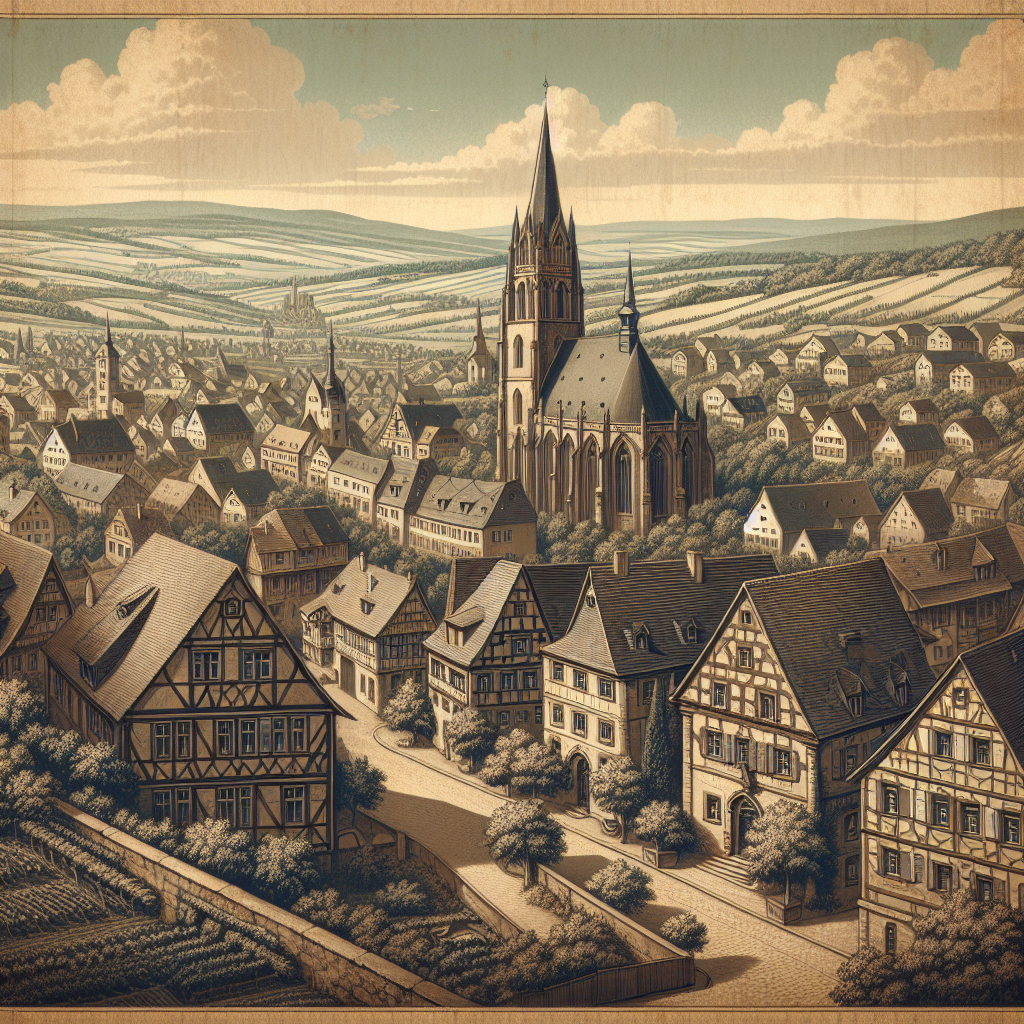

Friedelsheim: A Quaint German Village with a Rich History
Nestled in the heart of Germany's picturesque Rhineland-Palatinate region, Friedelsheim is a charming village that seems to have leaped straight out of a fairy tale. With its roots tracing back to the Middle Ages, this small community has a population of just over 1,500 people. Friedelsheim is known for its stunning vineyards, historic architecture, and a sense of tranquility that is hard to find in today's fast-paced world. The village's history is a tapestry woven with tales of resilience and cultural evolution, making it a fascinating place for both locals and visitors alike.
Friedelsheim's history is as rich as its wine. The village was first mentioned in historical records in the 8th century, and over the centuries, it has seen its fair share of turmoil and triumph. From the Thirty Years' War to the Napoleonic Wars, Friedelsheim has been a witness to the ebb and flow of European history. Despite these challenges, the village has managed to preserve its unique character and charm. The cobblestone streets and half-timbered houses stand as a testament to the village's enduring spirit.
The vineyards surrounding Friedelsheim are a vital part of its identity. The region is renowned for its wine production, particularly Riesling, which thrives in the area's favorable climate and fertile soil. Wine enthusiasts flock to Friedelsheim to sample the local vintages and enjoy the breathtaking views of the rolling hills. The annual wine festival is a highlight for both residents and tourists, offering a chance to celebrate the village's viticultural heritage.
While Friedelsheim is steeped in tradition, it is not immune to the challenges of modernity. Like many small communities, it faces issues such as population decline and economic pressures. Younger generations often move to larger cities in search of better opportunities, leaving behind an aging population. This demographic shift poses a threat to the village's long-term sustainability and cultural continuity.
However, there is a growing movement to revitalize Friedelsheim and other similar villages. Efforts are being made to attract young families and entrepreneurs by promoting the village's quality of life and potential for sustainable tourism. The rise of remote work has also opened up new possibilities for those who wish to escape the hustle and bustle of urban life while maintaining their careers.
Critics argue that such initiatives may lead to the commercialization of Friedelsheim, potentially eroding its authentic charm. They worry that an influx of tourists and new residents could disrupt the tight-knit community and alter the village's character. It's a delicate balance between preserving tradition and embracing change, one that requires careful consideration and collaboration among all stakeholders.
Friedelsheim's story is a microcosm of the broader challenges faced by rural communities worldwide. It highlights the importance of finding innovative solutions to ensure the survival of these cultural gems. By fostering a sense of community and embracing sustainable practices, Friedelsheim can continue to thrive while maintaining its unique identity.
As we look to the future, Friedelsheim serves as a reminder of the value of preserving our cultural heritage. It encourages us to appreciate the beauty of simplicity and the strength of community bonds. Whether you're a wine lover, a history buff, or simply someone seeking a peaceful retreat, Friedelsheim offers a glimpse into a world where time seems to stand still, and the past and present coexist harmoniously.