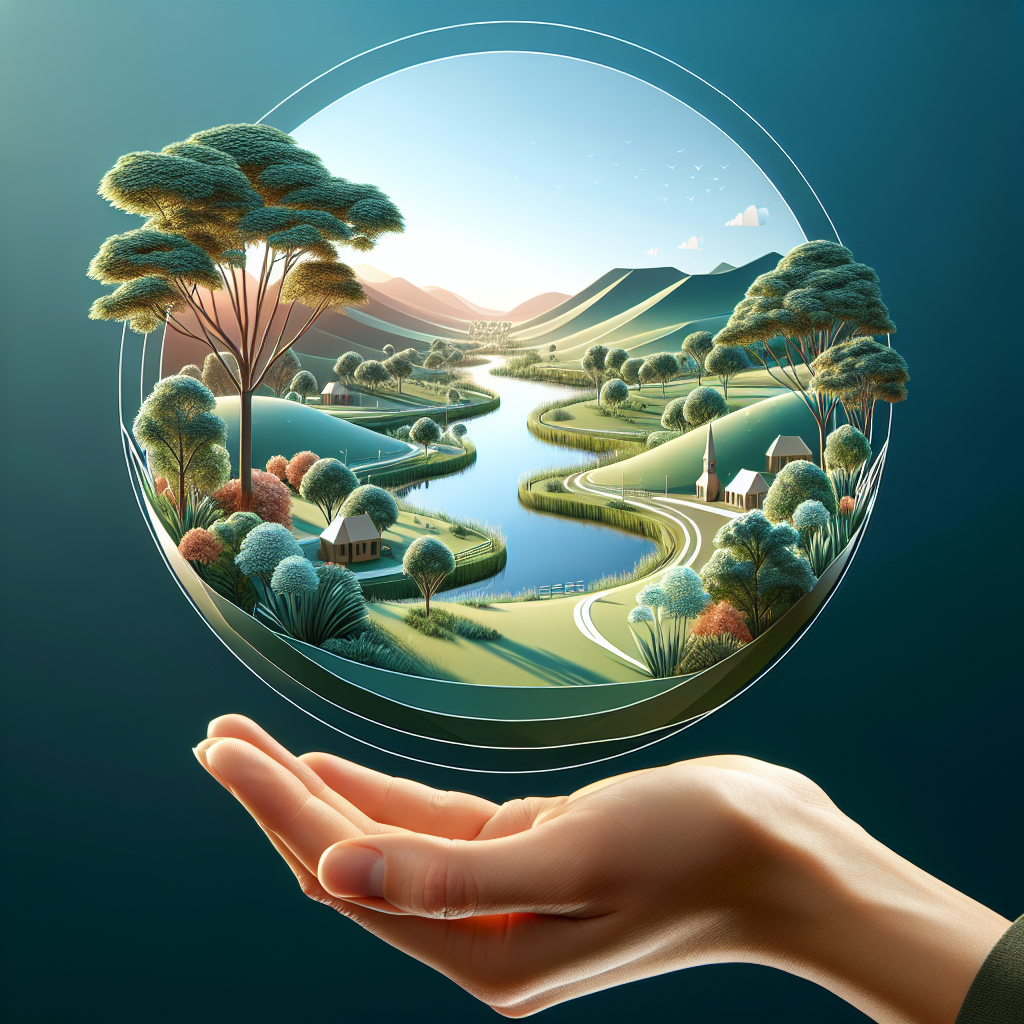

Tucked away in the rolling hills of Victoria, Flowerdale is a small gem that packs a big punch. Known for its serene landscapes and community warmth, Flowerdale sits at the heart of central Victoria, just a couple of hours north of Melbourne by car. The town has faced its share of challenges, particularly during the 2009 Black Saturday bushfires, yet it stands today as a testament to resilience and community spirit. This place isn't just a backdrop; it’s a lived testament to nature’s beauty and human tenacity.
Flowerdale’s charm lies in its stunning natural beauty, lush with greenery during the spring and summer seasons, making it a perfect escape from urban life. The area is famed for its hiking trails and open spaces, drawing nature enthusiasts from all over who wish to get lost among the eucalyptus trees or spot a kangaroo or two in their natural habitat. Walking these trails, visitors are wrapped in a sense of tranquility that urban life seldom offers.
The heart of the town beats in its local community activities and gatherings, which often revolve around the Flowerdale Community House. It serves not only as a social hub but also as a resource for local education, workshops, and support systems. Many townsfolk view the community house as a symbol of Flowerdale's resilience, especially in times of crisis like the infamous Black Saturday bushfires. It was a rallying point where people banded together, showing what humans can achieve in unity.
Flowerdale is not without its struggles and pitfalls. The small population, which numbers just above 400 residents, often grapples with the lack of infrastructure and resources that larger towns might take for granted. Public transportation is minimal, impacting the daily lives of those without cars. For many Gen Zs visiting or moving to Flowerdale, this can be a stark contrast to the connectivity found in bigger cities. Yet, with an ever-growing access to technology and remote work opportunities, the isolation can sometimes be seen as a collaborative space for creativity, allowing young minds to thrive surrounded by nature’s inspiration.
The broader conversation around Flowerdale often touches on environmental initiatives and conservation efforts. Global discussions about climate change are brought into sharp focus here, as the community wrestles with past and future natural disasters. Native tree planting and land conservation projects aren't just a nod to eco-consciousness, but essential practices for survival. While some argue that more urban development could bring jobs and growth, many locals champion a more sustainable path forward, balancing growth with the preservation of natural beauty.
On a societal level, Flowerdale exemplifies a more intentional form of living that appeals to those disenchanted with the fast-paced grind of city life. It offers a valuable lesson in community and resilience, with residents who demonstrate daily that good neighbors and a helping hand can make a world of difference—qualities that are increasingly rare in our digital age. This aligns well with the values of many Gen Zs who prioritize meaningful experiences over materialistic pursuits.
Yet, Flowerdale’s lifestyle is not everyone's cup of tea. For some, the allure of big city lights remains too strong, and the isolation can be daunting. The lack of nightlife and limited dining options might deter those used to the vibrant urban bustle. There's also an inherent risk in life when summers are long and dry, and the shadow of past fires lingers during particularly hot months, reminding everyone of nature's power.
The story of Flowerdale, therefore, is not just one of picturesque escapes and rustic charm but of challenges met with community spirit and solidarity. It strikes a chord with those who yearn for simplicity and connection to the earth. As more young people seek purposeful ways of living, places like Flowerdale emerge as compelling havens. They promise a rhythm of life that is slow but meaningful, where nature is not just a backdrop but a way of life.
With an evolving demographic dynamic and ongoing discourse about development versus conservation, Flowerdale remains a microcosm of larger global conversations. It is as much about the past as it is about potential futures, showing us that beauty and resilience can harmoniously co-exist, even in the face of adversity.