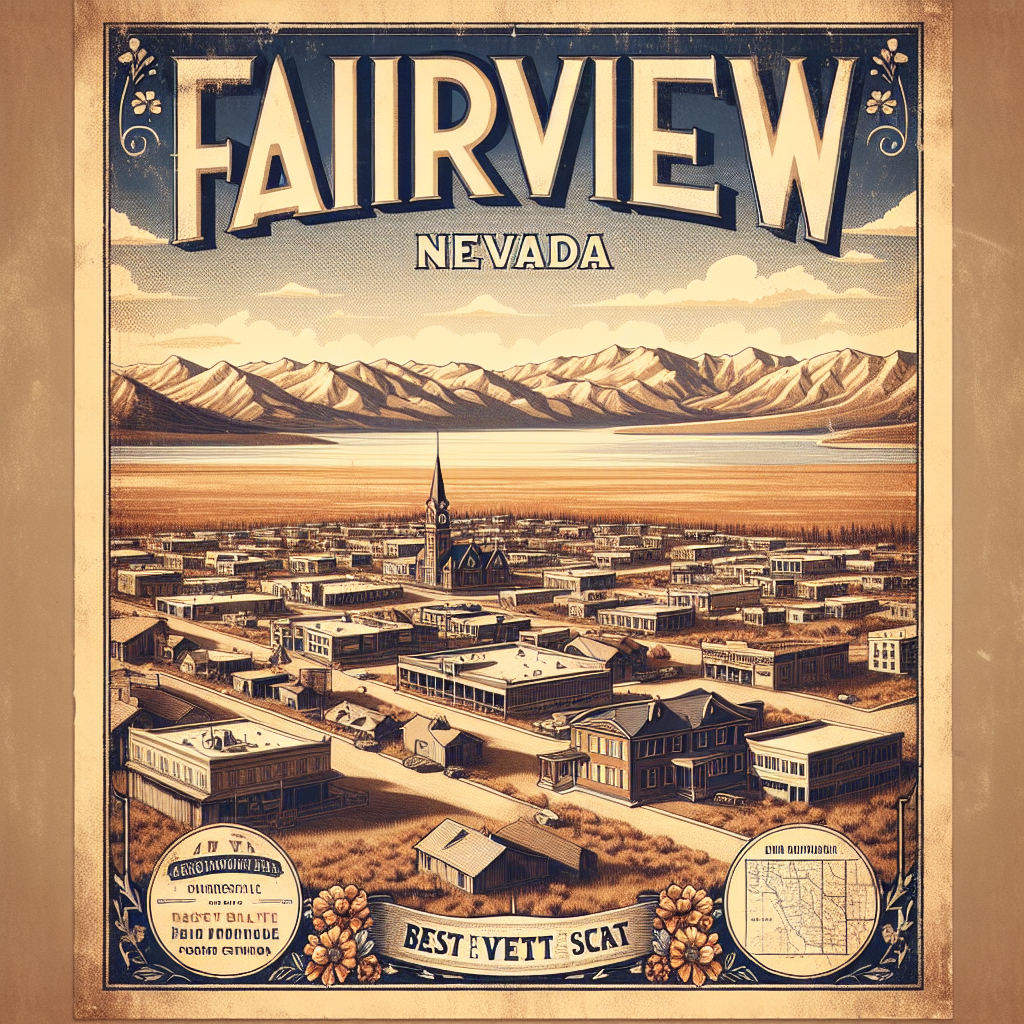

Fairview, Nevada might not be the next red-carpet destination, but this ghost town is full of old Western grit and history that snaps the imagination to attention. Located in the heart of Churchill County, Fairview was a bustling town in the early 1900s. This Nevada ghost town oozes history, where silver mining was the lifeblood that transformed it into a boomtown practically overnight around 1906. The boom was as short-lived as a summer storm, with Fairview dissolving back to dust by the 1920s. What makes Fairview compelling isn't just its ghostly quietude, but the stories it whispers about the long-gone rush for prosperity and the inevitable bust.
The quick rise and fall of Fairview speak volumes about the greater cycle of boom and bust in American history. It was a story told all over the West in countless towns that sprang up overnight around mines, some fated to prosper and others to quickly crumble. People flocked to Fairview driven by the seductive dream of striking it rich—a dream that echoes loudly in our contemporary pursuit of economic security and prosperity. As we face today’s economic uncertainties and environmental issues, understanding how swiftly fortunes can change is more relevant than ever.
But Fairview wasn't just about individual gain. The community life here was vibrant, with saloons, hotels, and opportunities that allowed residents to carve out lives amidst the Nevada wilds. It is fascinating to think about the blend of industriousness and social festivity that characterized Fairview during its brief heyday. Our modern cities might be bigger and tech-infused, but they still thrive on economic opportunity mixed with social connectivity. Fairview’s lively streets and diverse residents offer us a chance to reflect on how community ties are as crucial as economic pursuits.
Returning to the modern world, Fairview stands as a stubborn reminder of our past adventures into the unknown. It's crucial to look at the social ramifications of these historical boom-and-bust cycles. The prospectors and families that built Fairview shared a potent dream, much like today's dreamers in Silicon Valley or aspiring artists. These people temporarily turned barren desert soil into a buzzing epicenter, reminding us that human agency can transform the bleakest landscapes. However, in our time of digital expansion and easy connectivity, what happens when these modern urban dreams falter or fail?
Some may view Fairview as merely a decaying backdrop, yet for others, it holds cultural significance and endless curiosity. Ghost towns leave an imprint on the landscape and in culture, cherished by enthusiasts and historians who value preservation. Yet, respecting our history often conflicts with the motivations for progress. There is an evident tension between conservation and modern development, a strain that's especially palpable amongst Green New Deal advocates, environmental activists, and those wary of sustainable progress and the excessive strain modern development puts on our ecosystems.
In juxtaposition, others might argue that while progress should honor the past, it is unrealistic to halt modernization due to nostalgic notions. As technological advancements and economic expansion continue altering our landscapes, balancing preservation with progress is paramount. The lessons learned from Fairview's demise—namely, that economic bubbles can burst as quickly as they develop—could parallel our own economy's uncertainties.
This ghost town remains a poignant reminder of nature's claim over abandoned human endeavors. Visiting Fairview today, one’s struck by the incredible resilience of nature reclaiming its territory. The environmental repercussions of past mining remain evident, signaling environmental activists today who argue for more sustainable practices in our pursuit of resources. Critics might counter that these lands should focus on healing before they can host new exploitation. The site continues to provide a poignant cautionary tale about the environmental impacts of rapid industrialization.
The story of Fairview raises broader questions about the balance between rediscovery and remembrance. Reviving places like Fairview as heritage sites or tourist attractions can bolster local economies and educate younger generations. Yet, rebuilding history also demands confronting the darker chapters of such rapid expansions, like the social inequalities it inevitably sowed. In Fairview’s case, digging up these stories can help prevent the erasure of our complex past and fuel our approach to a more equitable future.
Fairview may not have a bustling town square or Wi-Fi, but it offers a canvas for reflection and learning. Young thinkers and doers intrigued by the histories enveloped in forgotten towns might find inspiration here. At a time when the past seems both distant and crucial, Fairview is a stark testament to our ancestors' tenacity and the fleeting nature of economic prosperity. As the dust settles with every gust of wind slicing through the abandoned relics, the story of Fairview remains a powerful lesson on embracing ambition yet being mindful of its trappings and responsibilities.