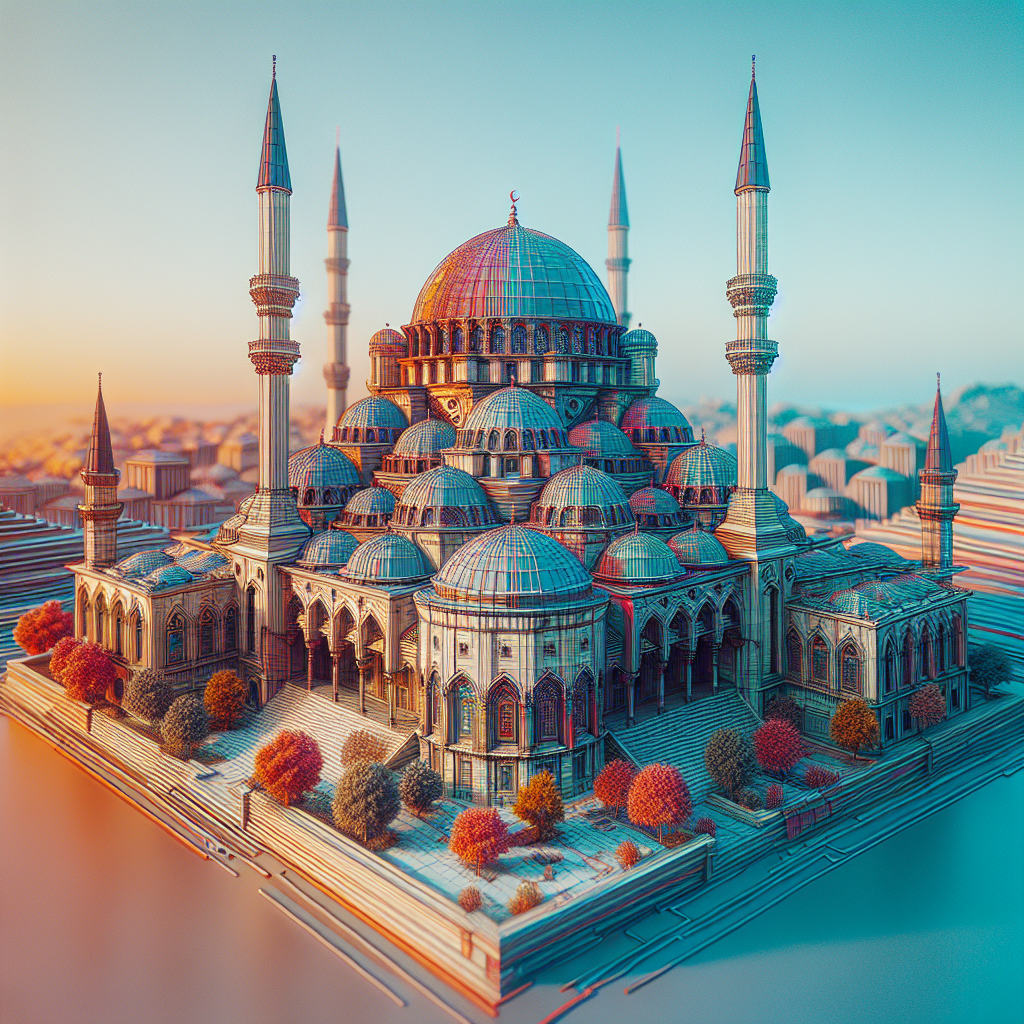

The Et'hem Bey Mosque: A Symbol of Resilience and Unity
In the heart of Tirana, Albania, stands the Et'hem Bey Mosque, a testament to resilience and unity that has withstood the test of time. Built between 1791 and 1821 by Molla Bey and completed by his son, Haxhi Et'hem Bey, this mosque is not just a place of worship but a symbol of cultural and historical significance. It is located in Skanderbeg Square, the central hub of the city, and has become a cherished landmark for both locals and tourists. The mosque's survival through Albania's turbulent history, including the communist era when religious practices were banned, highlights its importance as a beacon of hope and perseverance.
The Et'hem Bey Mosque is renowned for its stunning architecture and intricate frescoes, which depict trees, waterfalls, and bridges—an unusual feature for Islamic art. These artistic elements reflect a blend of Ottoman and local influences, showcasing the rich cultural tapestry of Albania. The mosque's minaret, though modest in height, is a striking feature against the backdrop of modern Tirana. Its design and decoration are a reminder of the country's diverse heritage and the artistic prowess of its creators.
During the communist regime in Albania, from 1944 to 1992, religious institutions were suppressed, and many were repurposed or destroyed. The Et'hem Bey Mosque, however, was spared from demolition, although it was closed to the public. In 1991, as the communist regime began to crumble, the mosque became a focal point for peaceful protests. Thousands gathered to demand religious freedom, and the mosque was reopened for worship without official permission. This act of defiance marked a turning point in Albania's history, symbolizing the people's yearning for spiritual and cultural expression.
The reopening of the Et'hem Bey Mosque was a significant moment for Albania, as it represented a reclaiming of religious and cultural identity. It also highlighted the resilience of the Albanian people, who had endured decades of oppression. Today, the mosque is not only a place for prayer but also a site for cultural exchange and understanding. It attracts visitors from around the world, who come to admire its beauty and learn about its history.
While the Et'hem Bey Mosque is a source of pride for many Albanians, it also serves as a reminder of the challenges faced by religious communities during the communist era. Some argue that the mosque's preservation was a strategic move by the regime to maintain a semblance of cultural heritage, while others see it as a testament to the enduring power of faith and community. Regardless of differing perspectives, the mosque stands as a symbol of unity and resilience, bridging the past and present.
In recent years, efforts have been made to restore and preserve the Et'hem Bey Mosque, ensuring that future generations can continue to appreciate its historical and cultural significance. These restoration projects are crucial in maintaining the mosque's structural integrity and artistic beauty. They also serve as a reminder of the importance of preserving cultural heritage in a rapidly changing world.
The Et'hem Bey Mosque is more than just a historical monument; it is a living testament to the strength and resilience of the Albanian people. It embodies the spirit of unity and perseverance that has defined the nation's history. As Albania continues to evolve, the mosque remains a cherished symbol of its rich cultural heritage and a beacon of hope for a brighter future.