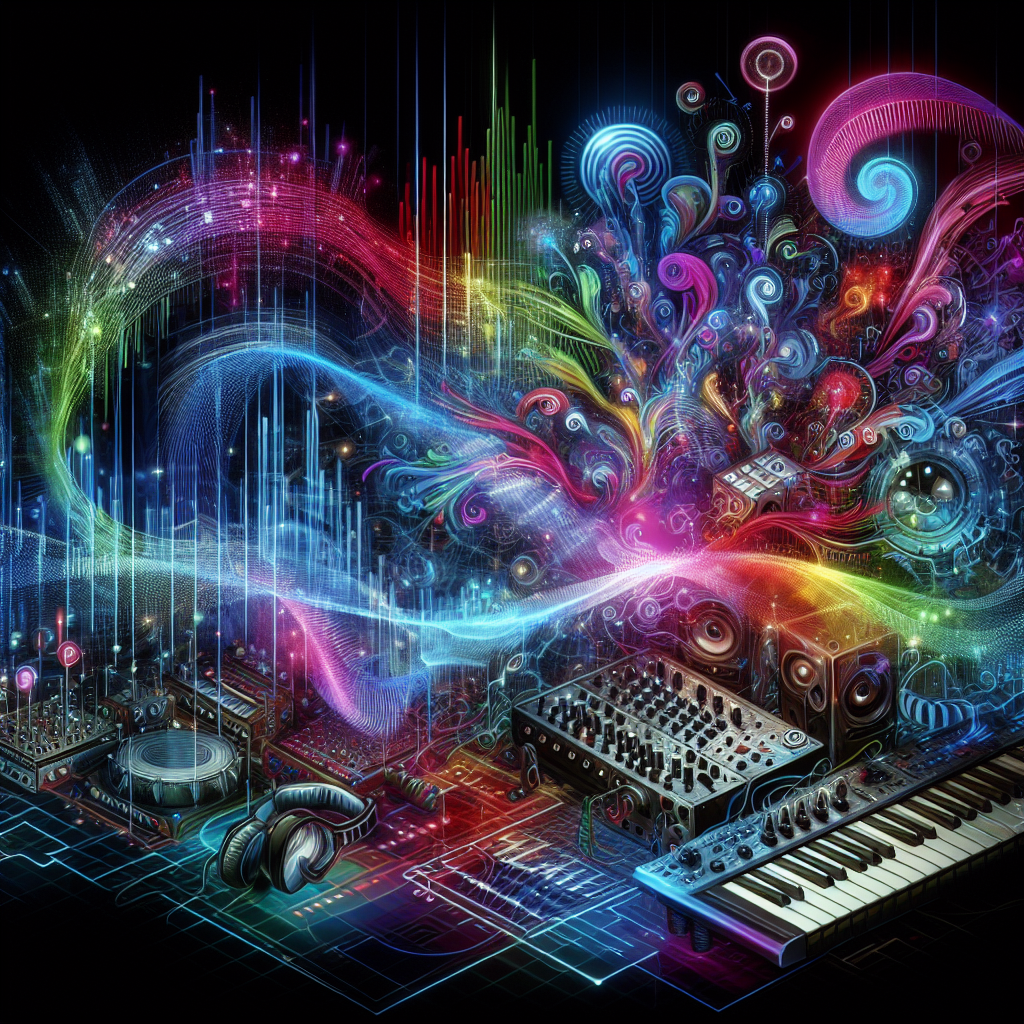

Electronic sound is like the future knocking on the door of music, demanding to come in. It encompasses the world of sounds generated by electronic equipment like synthesizers, computers, and turntables. Imagine a scene where technology meets creativity, birthing a genre that transcends geographical boundaries. Emerging in the mid-20th century from the labs of pioneers and the basements of rebels, electronic sound went from science fiction to the very pulse of today’s music scene. Why? Because it empowers individuals with the tools to produce, mix, and shape music as whimsically or precisely as they choose.
The essence of electronic sound lies in its adaptability and accessibility. In the 1970s, electronic music started hitting the mainstream, infiltrating pop and dance music. Artists like Kraftwerk and Tangerine Dream pushed the boundaries of what music could be, while groups such as Depeche Mode and New Order brought it to more mainstream audiences. Today, nearly every top 40 song incorporates elements of electronic sounds. Sure, traditionalists may argue that electronic music lacks the raw emotionality of acoustic sounds, but there's something undeniably captivating about the hypnotic beats that define this genre.
For many artists and listeners alike, electronic sound is redefining music’s boundaries. It challenges the notion that you need physical instruments to create art. This is crucial because young, aspiring musicians from all over the world can now participate in the creative process without needing costly equipment. It also democratizes music production, allowing anyone with a laptop to become a creator. Moreover, electronic music encourages collaboration that spills over continental boundaries, allowing for a beautiful chaos of influences intermixing with one another.
Electronic sound is not just a genre; it's an ecosystem. Festivals like Tomorrowland and Ultra Music Festival showcase not only the biggest names in the industry but also how this genre has evolved into a vibrant community. These stages are global neighborhoods where celebration and experimentation happen in harmony, drawing people together from all walks of life. For many Gen Zs, attending these festivals is a rite of passage, a place where the rhythm of their lives truly syncs with their heartbeat.
Some detractors claim electronic music can feel impersonal due to its digital nature. Yet, isn't it fascinating how an art form born out of circuits and screens can still evoke sincere human emotion? Artists like Deadmau5 and Flume prove that electronic music isn't devoid of feeling. Instead, they show us new landscapes of sound, paralleling the complexities of our own emotions. When crafted thoughtfully, it can even amplify the human experience.
The ethical conversations around electronic sound cannot be ignored. Just think about the debates about fair compensation, musical plagiarism, and the environmental impact of music festivals. It is crucial for Gen Z to navigate these waters conscientiously. As awareness grows, many artists, organizers, and listeners are advocating for more sustainable practices and fairer artist compensation in the industry.
While traditional musical norms are evolving, respect for the roots they grow from shouldn't be abandoned. The coexistence of electronic with acoustic presents a union where innovation thrives. But this shouldn’t overshadow the need for a fair and equitable industry landscape where all creatives can monetize their work fairly and sustainably. Gen Z, often seen as a generation of change and innovation, stands at the forefront of this transformation.
So, here's the heart of the matter: electronic sound isn’t just a phase or a trend. It might be the future, but it is also very much the present. Its diversity and flexibility offer a limitless canvas. It spurs creativity regardless of how tech-oriented you are or your experience in music production. Sure, there might be room for improvement in how the industry operates. Nonetheless, electronic music represents a space where anyone can be an innovator, right from their bedroom coil of cables. It's a genre that respects no boundaries, matches no set formula, weaving a future where music is as diverse as the people it touches.