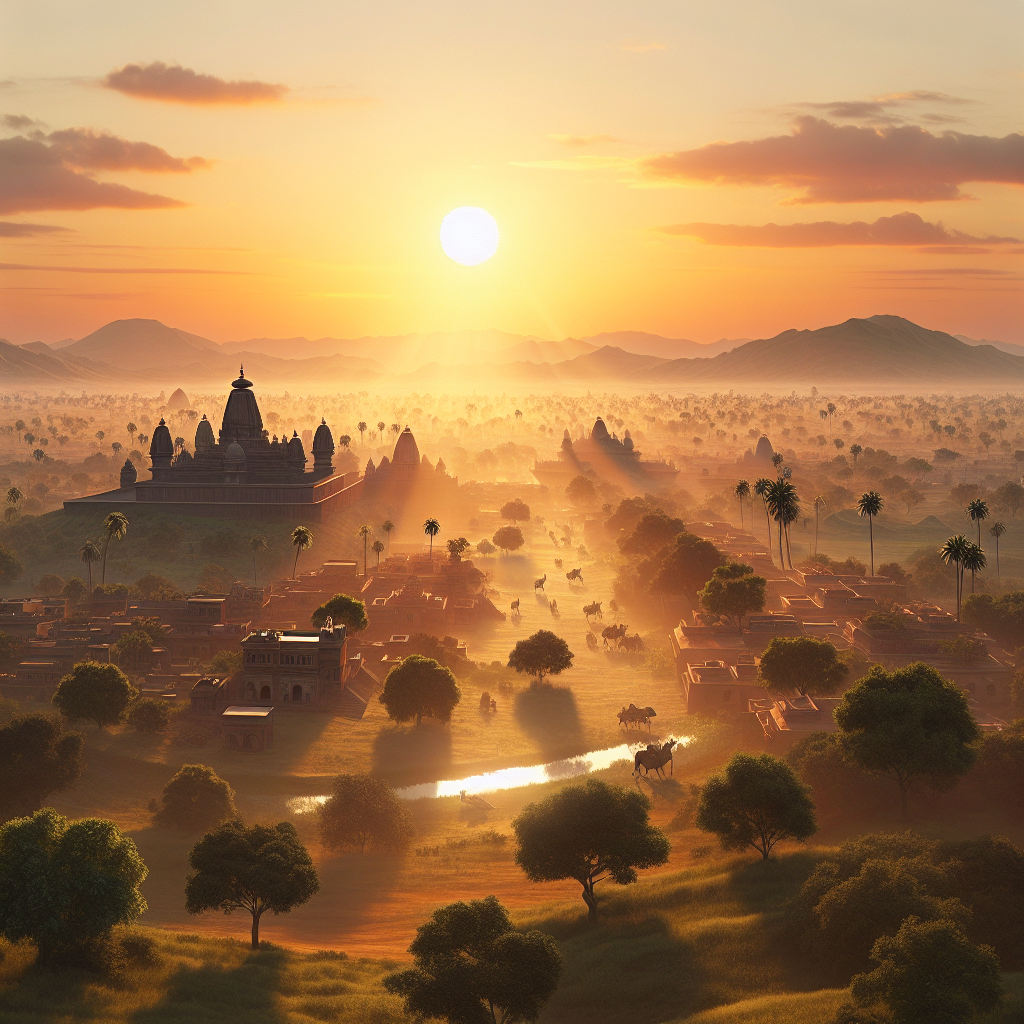

Imagine a place where sprawling landscapes tell stories of the past, where ancient architecture mingles with the vibrant colors of local folklore. That place is Dausa District, an unsung hero in the narrative of India’s vast cultural tapestry. Nestled in the eastern part of Rajasthan, it is a district that preserves the charm of traditions while steadily embracing the whispers of modernization.
Dausa, as a district, officially came into being in 1991, though its historical roots stretch far deeper. Named after the Sanskrit word for 'beautiful,' it certainly lives up to its name. The town of Dausa serves as the district's headquarters, and it's typically bustling with local life—a dynamic balance of past and future.
At the heart of Dausa is its heritage. The district is peppered with architectural marvels, most notably the Abhaneri stepwell, also known as Chand Baori, one of India's largest and most intricate stepwells. Dating back to the 9th century, it’s a striking example of early engineering combined with artistry. Originally constructed as a water conservation tool in the arid landscape, today, it stands as a testament to human innovation.
The Bhandarej and Mehendipur Balaji Temple are other key attractions. Bhandarej is known for its forts and palaces that echo stories of a regal past, while the Mehendipur Balaji Temple draws visitors seeking divine blessings, intrigued by its tales of exorcism rituals still practiced today.
The district is predominately agrarian with farming playing a major role in its economy. Mustard, wheat, bajra, and millets are the primary crops, reflective of the resilience of the local community. However, like much of India, Dausa is also facing challenges posed by climate change and the need for sustainable agricultural practices. The local farmers’ shifting methods and increasing awareness mark a positive march towards environmental equilibrium.
What makes Dausa unique is its blend of heritage and emerging progressiveness. While deeply rooted in traditions, there's an unmistakable buzz of change echoing through its small towns and villages. Young entrepreneurs are increasingly utilizing digital platforms to showcase locally made handicrafts, textiles, and other products, offering new lifelines to the local economy.
Yet, Dausa isn't immune to the issues that affect many regions in India. Education remains a battlefield where significant progress is needed. Even though primary education is widespread, disparities exist in higher education access, particularly for young women. Girls in rural areas often find themselves at crossroads between cultural expectations and aspirations for a future that education could forge.
Understanding Dausa's social fabric also requires acknowledging the individual and communal struggles. It's a district where caste still influences social dynamics, where economic inequalities are apparent. Embracing liberal views, it's not about dismantling the past but about envisioning a future more inclusive and equitable—one that recognizes the potential of each individual.
As with any culture-rich location, tourism in Dausa holds promise. Eco-tourism and cultural tourism could become vital threads in the economic fabric, knitting the local and global communities together. However, responsible tourism is essential. Preserving what makes Dausa special without exploitation is a delicate balance we need to champion.
In the broader picture, Dausa paints a tale of progress in India’s larger story of development. Its narrative isn’t just about the destinations found on maps but rather the stories of people who breathe life into these places. For Gen Z—those shaping the future—the potential here is immense. It's about understanding diverse histories and futures, and it’s about being the change-makers who could close the gaps in education, technology, and equality.
Despite its lesser-known status on the global stage, Dausa is rich in lessons for today's world. It shows how the convergence of tradition and progress isn’t just possible but essential. Dialogue around such spaces could ignite global conversations about preserving culture while fostering progress, something Gen Z seems perfectly poised to lead.
Whether glanced upon during a trip to Rajasthan or studied in the context of social change, Dausa holds more than meets the eye. It is a mosaic of stories woven through time—a meeting ground for the old and the new. Aligning with nature and technology, tradition, and progress, Dausa stands as a model of how heritage and modern dreams can coalesce to sketch a vibrant future.