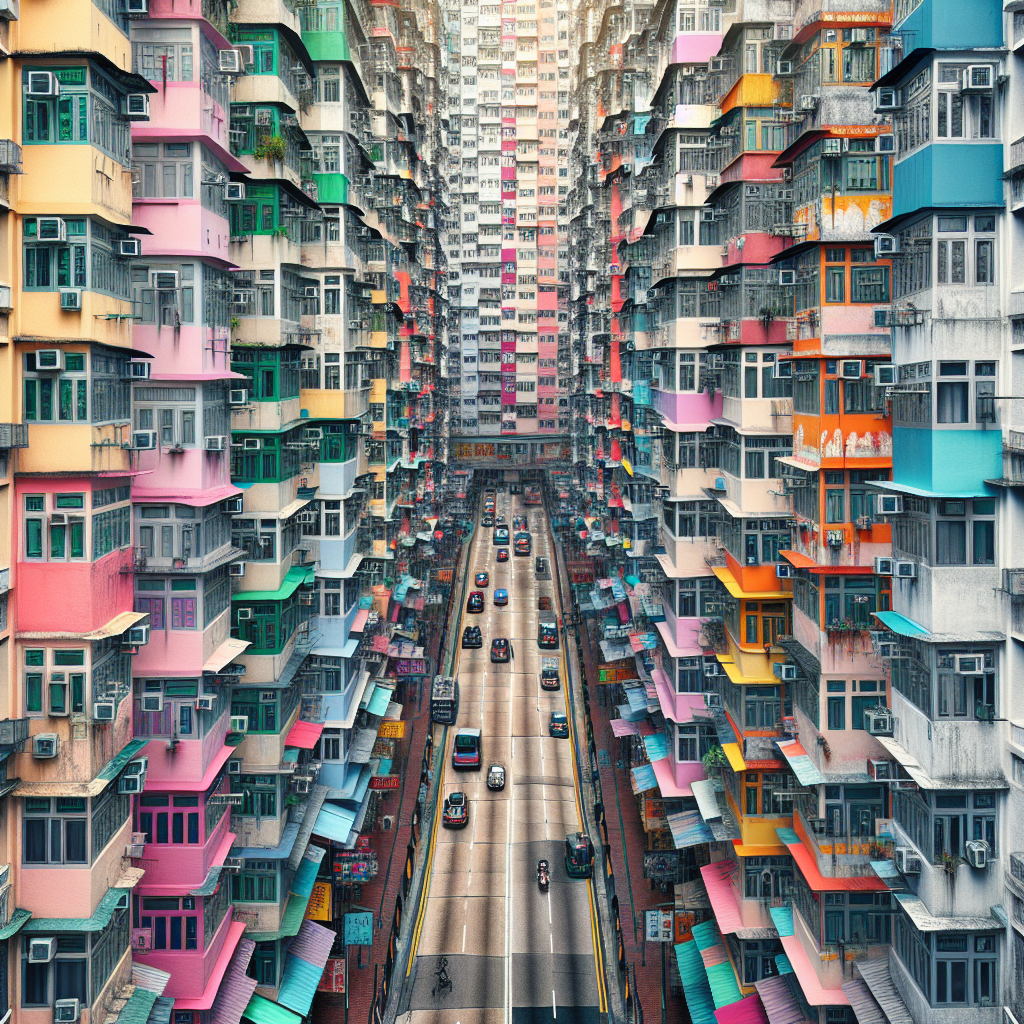

Choi Hung Road isn't just a geographical location; it’s a riot of colors, a witness to history, and a heartbeat of the Hong Kong spirit. Located in the Kowloon region of bustling Hong Kong, Choi Hung Road stretches through one of the most vibrant and architecturally unique communities in the world. Known for the iconic Choi Hung Estate, a public housing complex famous for its rainbow-painted facades, this area is a living gallery for residents and curious wanderers alike.
Built in the 1960s, Choi Hung Estate emerged during a period when Hong Kong was rapidly industrializing. This public housing project wasn't merely about functionality but maintaining a quality of life; a rare effort to blend architecture with aesthetic charm. Back then, the idea was to provide a burst of hope and vitality amid the grey monotony of urban life—a symbol that stood out in times of burgeoning societal changes.
Gen Z, along with countless tourists, often find themselves gravitating towards Choi Hung's visually striking landscapes, partly because social media thrives on visuals with a story. This curiosity isn't just about snapping the perfect Instagram photo. It's also about connecting with the heartbeat of a community that’s been a cornerstone of Hong Kong's urban development story. It's more than a backdrop; it's an invitation to explore deeper narratives of displacement, identity, and resilience.
While the colors of Choi Hung are mesmerizing, what happens within its pastel walls unveils stories worth telling. Residents at Choi Hung possess a diverse cultural mosaic that embodies both unity and struggle. Many are immigrant families and older generations who've grown with the estate since its inception. To these individuals, Choi Hung isn't just a neighborhood, but a testament to endurance and evolution.
In our contemporary context, Choi Hung Road paints a relatively liberal picture in a region where political conversations are increasingly complex. It's the kind of place where one can feel freedom through expression, where local activism often takes shape amid vibrant public discourse. However, local slogans and graffiti occasionally make their appearance, underlining the fact that even the most aesthetically pleasing structures cannot overshadow deeper societal rumbles taking place underneath.
Of course, no cultural exploration is truly complete without acknowledging the emerging economic realities that frame Hong Kong's essence. With property markets hitting skyrocketing highs, debates about housing affordability, gentrification, and socio-economic disparity become inescapable. Critics argue that what was initially accessible housing now seems to veer towards anachronism amidst the city's real estate boom.
Yet, posing somewhat as a liberal rebel against monotonous luxury, Choi Hung Estate stands proud. It appeals to both locals and global citizens who see beauty beyond opulence. Choi Hung reminds us of the ongoing conversation about who truly belongs in a rapidly changing urban landscape. Where some see decay, others see authenticity. Where some experience nostalgia, others deal in raw reality.
Opponents of Hong Kong's housing market trajectory often voice their concerns about the preservation of such historic estates, and the tension they face against breathtaking towers built for the elite. These critics argue that diluting such culturally iconic places with high-end revamps erases heritage and erodes communal ties.
Embracing modernity while preserving legacy is a sticky spot that Choi Hung Road exemplifies. It's a balancing act with very few easy answers. Should heritage always push back on the forces of progress, or is there a harmonious intersection where both can thrive? Here lies an ongoing debate that compels current and future generations to rethink priorities and redefine what progress truly stands for.
Choi Hung Road, with its layered stories and vibrant hues, is more than a stretch of pavement adorned with bright colors. It's a testament to evolving identities and built environments navigating through the canal of recalling their purpose. Places like this spark questions and beautiful chaos amid social dynamics, which is what makes them so enduring and relevant.
Here's where history, community spirit, and a touch of whimsy all come together to redefine what it means to live in harmony within Hong Kong's ever-pulsating heartbeat.