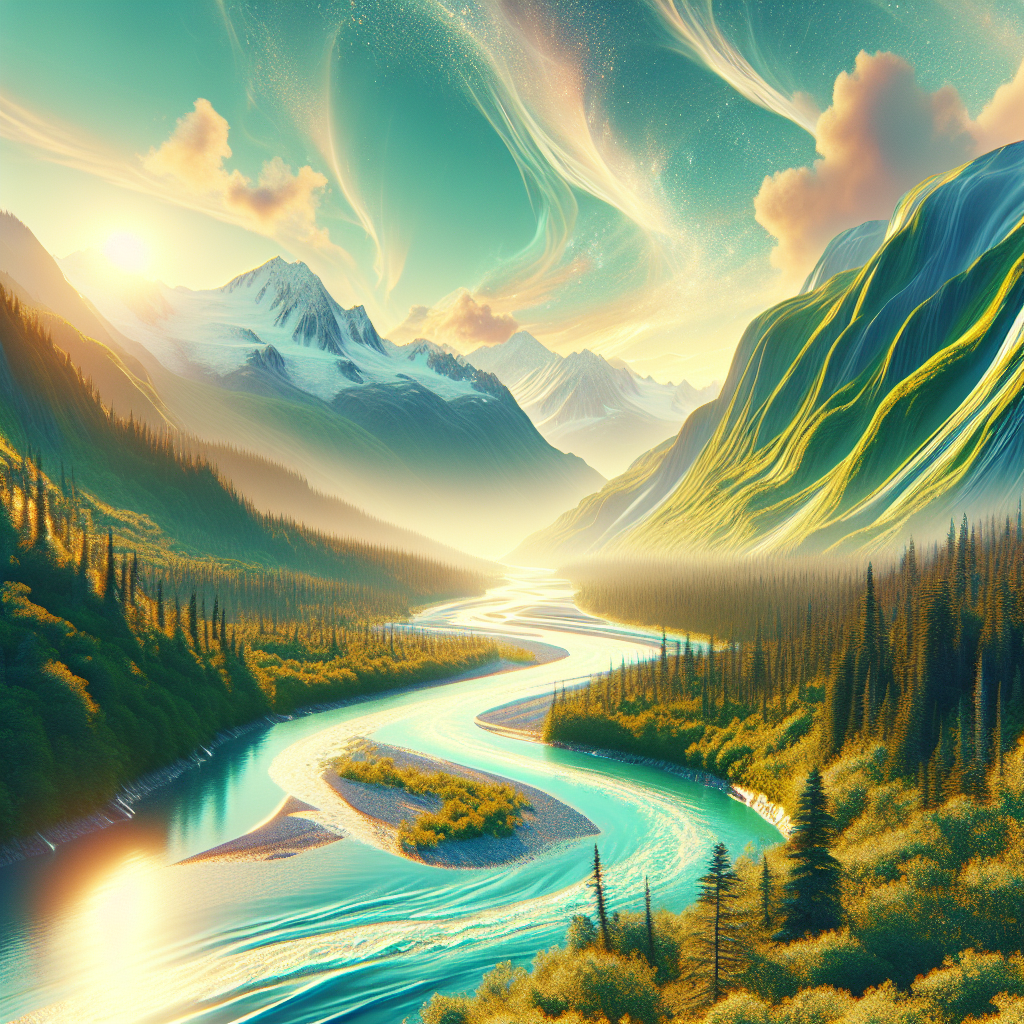

Ever heard of a place where life sings its own unscripted song? That's what the Chandalar River does in northern Alaska, near the Arctic Circle. This river runs wild and free for about 300 miles, sprouting from the rugged Brooks Range and gradually weaving its path south to meet the mighty Yukon River. It's a scene stolen out of a nature movie, complete with a cast of diverse wildlife and pristine landscapes. The Chandalar River isn't just water; it's history, ecology, and culture mingled into one.
This remarkable river springs from an area deeply rooted in Native Alaskan traditions, primarily the Gwich'in people who have lived here for centuries. They have an intimate connection with the land, relying on the river for sustenance and cultural practices. The river’s name itself reflects the legacy of these communities, named after Philip Bernard Chartier, also called Chandalar, from the early 1900s gold rush era. Today's conservation efforts often highlight the importance of these indigenous ties, emphasizing sustainable living and respectful use of the river's bounty.
The river is also a treasure trove for those interested in wildlife. Its ecosystem is incredibly rich, with species like salmon making their arduous journeys upstream to spawn, serving as a critical food source for bears and various bird species. In fact, the river is part of a broader ecological network that supports large mammals like moose and caribou, key players in the area's biodiversity.
Fishing, as you can imagine, is not just a hobby here; it's a cornerstone of life. The river bursts with activity during the summer months, when anglers cast their lines in hopes of catching Arctic grayling or pike. Yet, as climate change exerts its influence, there are concerns about the future of these fisheries. As temperatures rise and seasonal patterns shift, these species face new challenges. It's crucial to address climate change effects not just for fish, but for the entire ecological balance.
When it comes to recreation, the Chandalar River offers more than just fishing. Adventurers seek out this remote location for its beauty and seclusion, enjoying boating, kayaking, and rafting trips that promise both solitude and a sense of connection to the wild world. Being so far removed from the urban sprawl allows for an experience that feels genuine and untainted. This seclusion, while appealing, also raises questions about accessibility and the responsibility that comes with it. Isolation means leaving minimal impact—a principle that resonates strongly with many visitors.
From a different perspective, the task of protecting such environments raises political questions as well. It’s not just about protecting an ecosystem but also about honoring indigenous rights and ensuring that development or extraction projects don't disrupt this delicate balance. Conversations about resource extraction, like mining or oil drilling, often pit economic interests against environmental concerns. These debates remain central as we try to prioritize both economic growth and environmental preservation—a balancing act that is more challenging than it might seem.
On the flip side, there are arguments that limited resource extraction could benefit local communities and economies. Proponents argue for balanced approaches that bring much-needed jobs and infrastructure to these remote areas. However, opponents raise concerns about the long-term environmental costs. It's about choosing what kind of future we wish to craft and maintaining open dialogues with those who live and thrive in these unique landscapes.
The river ultimately serves as a reminder of nature's brilliant but delicate composition. It teaches the importance of stewardship and thoughtful engagement high up in the Arctic region where fragile habitats need mindful caretakers. At stake are issues much larger than one might think—a microcosm of the broader climate challenges facing the world today.
Chandalar River’s enchanting flow is a testament to life’s unyielding persistence, offering lessons in balance, respect, and sustainability. It's a place of wonder and a clarion call for those who believe that the future of our planet matters deeply. Solving the challenges of the Chandalar River requires not only our attention but our empathy—an understanding that our choices today shape the landscapes of tomorrow. Let's choose wisely.