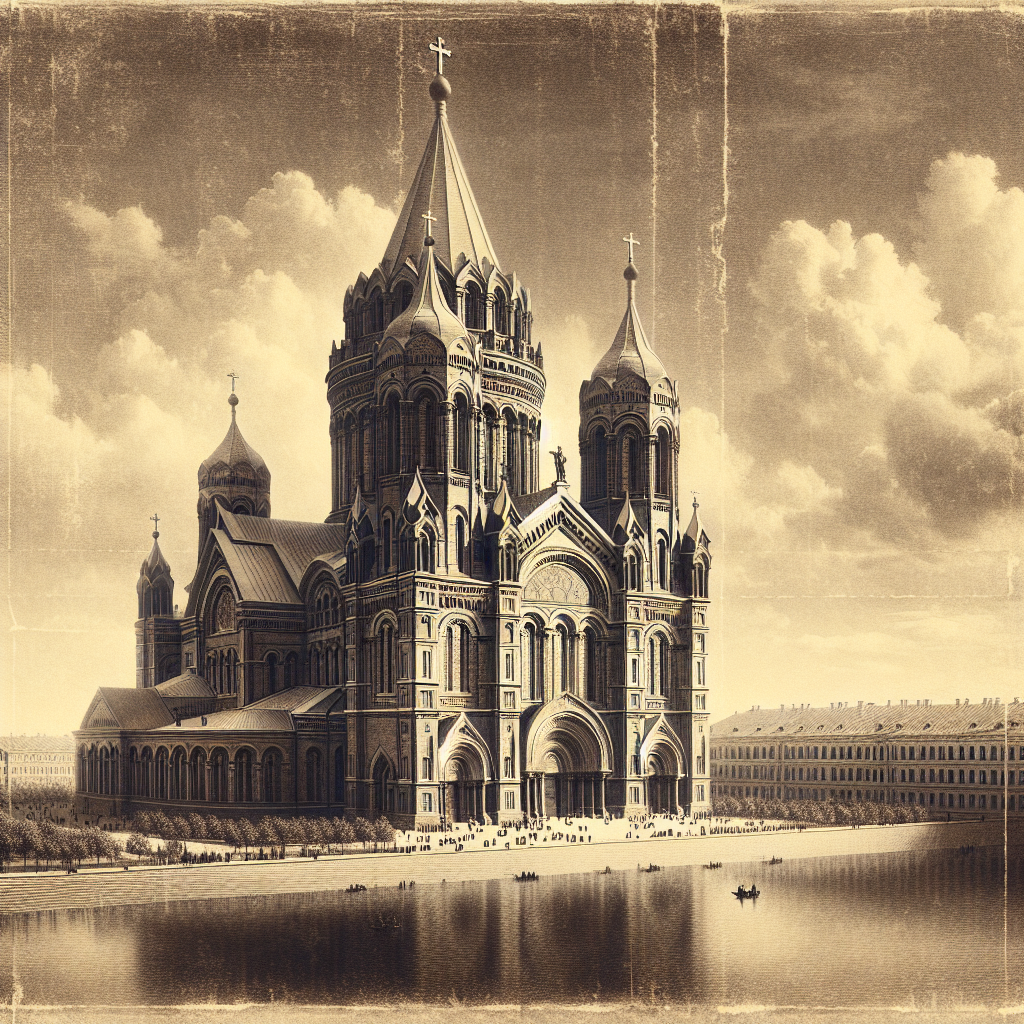

In the heart of the picturesque city of Ivano-Frankivsk, there lies a marvel of Baroque architecture that stops both tourists and locals in their tracks - the Cathedral of the Resurrection of Christ. This sacred site, a beacon of cultural exchange and historical significance, was initially built in the 18th century when this beautiful city was part of the Polish-Lithuanian Commonwealth. So, what makes this cathedral not just a religious sanctuary but also a symbol of resilience and unity?
The Cathedral of the Resurrection of Christ, constructed between 1752 and 1763, stands proudly in the western corner of Ukraine, a region steeped in a rich tapestry of history. The cathedral is not merely an edifice of spiritual devotion; it is an architectural gem reflecting the intricate influences of different eras and cultures. It serves as a reminder of the ever-shifting political landscapes and the common human yearning for peace and beauty, transcending the boundaries of faith.
Its foundation was laid by Jesuit monks, back when the multicultural city of Ivano-Frankivsk was known as Stanisławów, named after the Polish nobleman. The Jesuits, known for their intellectual and missionary zeal, adopted the Baroque style for its ability to evoke emotion and connect with believers on a profound level. Designed to awe and inspire, the cathedral's towering spires and finely detailed facades embody this artistic ambition.
Over the centuries, as empires rose and fell, the cathedral has borne witness to immense changes. Following the partitions of Poland, it fell under Austrian rule, and later, it was caught in the currents of Soviet governance. During the Soviet era, many church structures in Ukraine faced closures, repurposing, or outright destruction. Yet, this cathedral endured, sometimes serving non-religious functions, a testament to the indomitable spirit of the building and its caretakers.
Post-independence, Ukraine has seen a revival of its cultural and religious sites, and this cathedral is no exception. Restorations have aimed to carefully preserve the historical essence while integrating the vibrant expressions of modern faith and artistic endeavor. Today, visitors can witness the stunning blend of Baroque charm with Ukrainian ecclesiastical traditions.
What truly sets the Cathedral of the Resurrection apart is its interior. Once you step inside, you are greeted by a breathtaking array of frescoes, icons, and finely crafted altarpieces. The cathedral's artworks are not just decorative items; they are narratives captured in color and form, telling stories of saints and Biblical tales with passion and grace. These artistic efforts reflect the nuanced interplay between Western and Eastern theological interpretations, creating a unique spiritual experience.
The cathedral isn't just a monument of the past; it is a dynamic part of community life. It's a place where people gather for daily worship, celebrate weddings, baptisms, and also where they come in moments of hardship seeking solace. The cathedral's leadership is attuned to the pulse of the local populace, engaging in community outreach and dialogue that crosses denominational lines. It’s a sanctum where diversity is not just welcomed but celebrated.
Interestingly, the cathedral stands as a microcosm of broader societal shifts. It is a symbol of resilience but also of the cultural synthesis that defines Ivano-Frankivsk. Legend has it that during periods of oppression, many gathered secretly in the cathedral to practice their traditions and remember their heritage. The lessons from its walls resonate far beyond Ukraine, touching on universal themes of identity, faith, and the struggle for freedom.
Of course, the Cathedral of the Resurrection of Christ, like all historical sites, is not exempt from debate. The surrounding community includes voices advocating for modernization and others calling for strict preservation. Some see its Baroque opulence as a remnant of colonial rule, whereas others view it as an inextricable part of their identity. These discussions remind us that history is not static; it is a dialogue between the past and the present, an ongoing narrative that we are a part of.
The magic of the Cathedral of the Resurrection lies not only in its physical grandeur but also in its silent testimony to the resilience and evolution of the people it serves. It stands as a reminder that in the face of division and adversities, shared spaces can be points of connection, reflection, and reverence. So, whether you visit Ivano-Frankivsk for its charming cafes or vibrant arts scene, make sure to pause at this cathedral, a place where history, art, and spirituality beautifully intertwine.