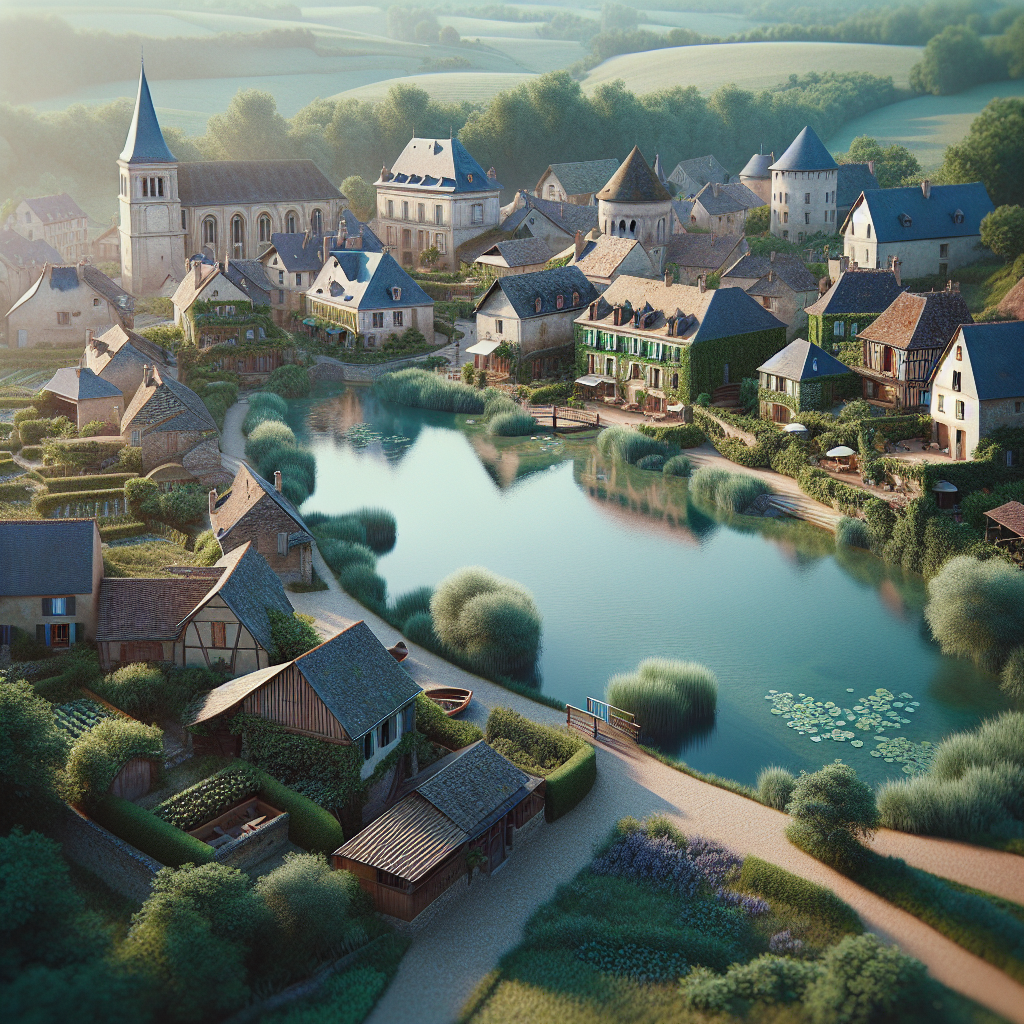

Imagine stumbling into a postcard village that seems to have stepped out from the pages of a history book; that's Castelfranc for you, nestled in the Lot department in the southwestern part of France. This small commune became a place of intrigue not only for its scenic views and charming streets but also for its significant yet understated role in history. Established in the 13th century during the Albigensian Crusade, it's one of those rare places that has seen the mighty and the mundane and yet remains a closely guarded secret among those who appreciate the finer, quieter aspects of travel.
The town of Castelfranc might not be on everyone's travel itinerary, but that's precisely the beauty of it. Catering mostly to those who enjoy immersive experiences, it offers a slice of authentic French life. The town's layout still reflects the medieval bastide, and if you wander through its streets, you'll encounter the quintessential narrow lanes and half-timbered houses that are so characteristic of this era. The main square with its ancient market hall is a testament to its thriving past. It's also where villagers gather for regular markets, a tradition that has not waned through centuries.
For the history buff, the town's origins in the 1200s provide a canvas for exploration. As a bastide town, it played a part in a strategic initiative to fortify regions during the tumultuous crusades. These towns were way more than simple fortresses; they were symbols of French strength and strategic planning. Castelfranc’s design aimed to create economic stability alongside military benefits, a multifaceted role it served wonderfully. The historic overlay gives visitors a palpable sense of time travel, offering glimpses into medieval governance and daily life.
Engaging with cultural experiences is what makes visiting such places worthwhile. Castelfranc hosts a variety of local events rooted in tradition but welcoming contemporary influences. These events showcase local artisans, cuisine, and music, reflecting a dynamic all-around cultural exchange. Participating in these can offer insight into the community's values and historical continuity. Events include the annual wine fair, where regional winemakers display their best vintages. Such events provide not only a taste of the local terroir but also the chance to meet the makers and hear their stories.
The area around Castelfranc cannot be overlooked. The Lot River meanders beautifully, creating picturesque settings perfect for picnics or leisurely walks. River activities attract enthusiasts aiming for laid-back experiences. Kayaking and fishing provide ways to interact freely with nature. The river's role in past trade and transport highlights its historical significance, further enhancing visits. This riverside atmosphere complements the town's charm, offering a greatly appreciated respite from everyday hustle.
Nature and architecture combine in surprising harmony here. Soaring pigeon towers dot the landscape, marking old farms and highlighting unique local architecture. These visually striking structures contribute a charming rusticity to the countryside. Intact or crumbling, they offer visual clues into past lifestyles. Such features are often glossed over but provide depth for photography and exploration, bringing out the agriculture-meets-art aspect of French heritage.
Living in the tension between tradition and modernity, communities like Castelfranc shape today's conversation about sustainability and tourism. While some argue about striking a balance between preserving history, promoting tourism and development, others point toward these towns as leading examples of preserving cultural identity. Castelfranc seems to nod in agreement, embracing gentle tourism that honors heritage while inviting visitors into its folds.
Different perspectives argue the balance of tourism versus preservation, yet places like Castelfranc illustrate their parallel benefits. Tourism introduces much-needed revenue supporting local economies and maintenance of historical sites. Critics insist heavy tourism risks diluting cultural authenticity and straining resources. Sustainable approaches prove crucial for harmonizing history with modernity, teaching valuable lessons for future urban conservation.
Visiting Castelfranc, you stumble upon a living tableau that straddles past and present, time seemingly paused. Its allure is based on the sublime simplicity of life threaded with historical wisdom, offering something uncommonly captivating. With fluctuating realities of the digital age, there’s comfort in knowing places like Castelfranc exist, bastions of continuity amidst global changes.
Ultimately, Castelfranc invites a sensory delight whether you savor local flavors, admire historical relics or reflect on humanity's threads. It stands as a whispered allure, allowing an intimate glance into French history while clutching restoring peace. Such villages hold stories map markers miss, often serving as personal reset points not just geographic ones.