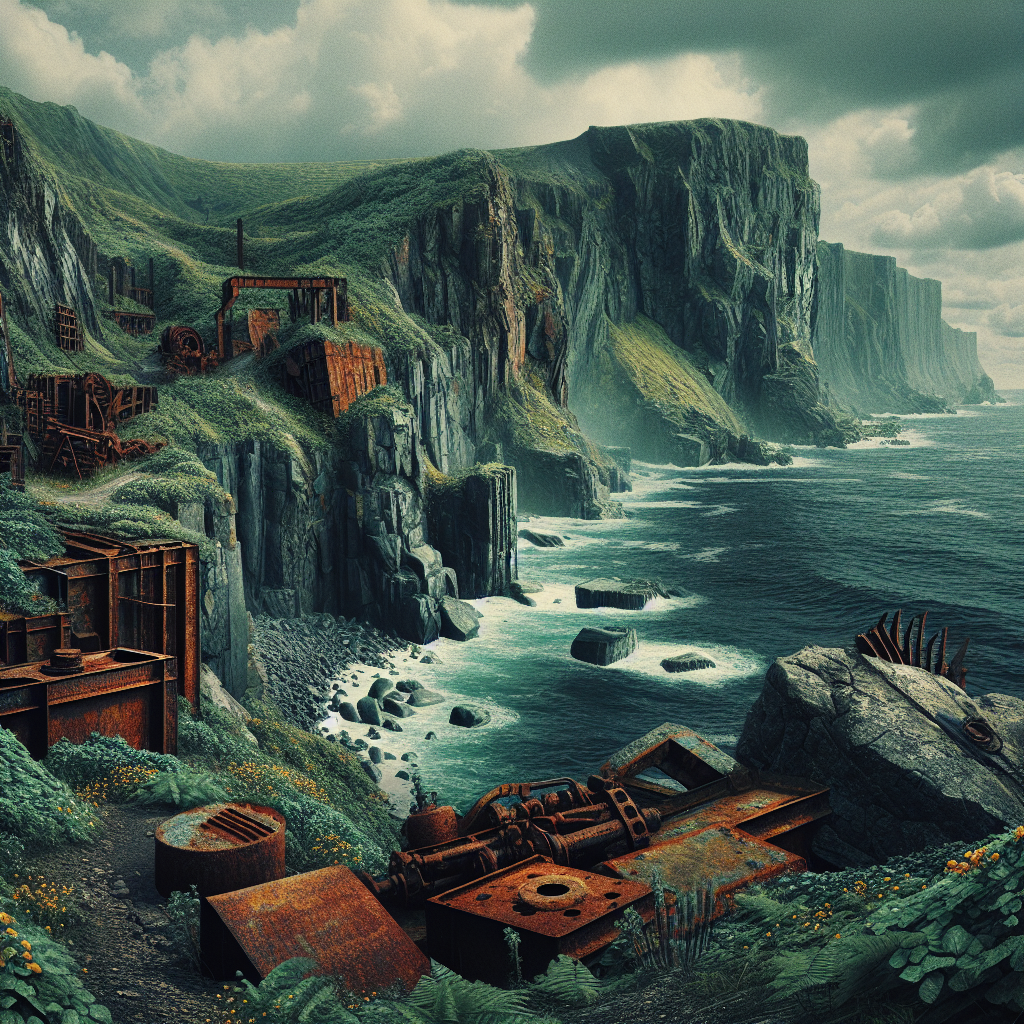

If you’ve never heard of the 'Cast Iron Shore,' or the Cazzy as locals commonly call it, you’re in for a ride through history, mystery, and a bit of myth. This area, famously referenced by the Beatles in their song 'Glass Onion,' is steeped in rich tales that stretch back through centuries, much like the mighty River Mersey it borders. Also known as the Liverpool shore, it is more than just a shoreline; it's a canvas painted with layers of industrial heritage and urban folklore.
The Cast Iron Shore, originally coated in reddish iron-ore deposits, gave it a distinct, rusty look that sparked the legendary name. Though its original “fiery” hue has dimmed over time, the stories and legends that swirl around it are as vivid as ever. Located in Liverpool, part of a region humming with economic activity and cultural exchange, this shoreline witnessed the heights of industrial expansion and the ebb of its decline. By the mid-19th century, the port city was thriving, with the shoreline serving as a gateway for the bustling trade. But why does this specific shore earn a spot in pop culture and the hearts of locals alike? The answer lies intertwined with both its tangible history and speculative tales.
In its heyday, the Cast Iron Shore was a testimony to Liverpool's significance. As ships streamed in and out, they carried goods, people, and stories. Each ship that sailed would have had its haul scrutinized by dock workers, adding to the city's buzzing mercantile ambiance. The industrial revolution cranked those vibes to an all-time high, and the Liverpool shoreline was at its forefront. Cast Iron Shore might have seen its rust washed or eroded away, yet the imprints of those times remain imprinted in the collective memory.
That bit of history can explain the industrial backbone, but there are always shadowy whispers that cling to such atmospheres. This shoreline isn't just a marker of history but home to reputed spooky myths and tales. Some talk of ghost ships on foggy nights, others say if you listen closely during an evening stroll, the whisper of sailors' conversations might haunt your ear. It sounds like the script of a gripping thriller, but these stories became part of the lore that seasoned the Cazzy over the years.
Liverpool's relationship with the Cast Iron Shore isn’t just about the glow of old-time prosperity or the echoes of its alleged specters. Its geography played a crucial role during the 19th-century transatlantic slave trade, reminding us of darker chapters in human history. It's a stark reflection of societal complexities we needed to address; commodifying human lives shouldn't be part of our legacy. Acknowledging this aspect of the Cazzy's past is vital; these realities aren't merely history—they’re conversations that ripple through time affecting the present. Having these dialogues, however uncomfortable, helps us create pathways for a reality where humanity’s dignity is universally upheld.
Steering towards a more playful notion, some native Scousers and visitors find themselves intrigued by the Beatles' nod to the Cast Iron Shore. The whimsical 'Glass Onion' lyric mentions the place, and for many fans, it has helped keep the legend alive. Beyond Lennon and McCartney's influences, Liverpool is synonymous with a vibrant arts scene; this cultural synergy adds yet another layer to the Cazzy’s rich tapestry.
In Liverpool today, the riverside strolls offer more than remnants of the past. Despite the shoreline’s industrial origins, it’s become a relaxing spot for walks and introspection. Young creatives often draw inspiration from its atmospheric blend of history and nature. Contemporary influences mesh with industrial pasts, crafting yet another story as evolving as the tide.
True to Liverpool’s dynamic character, there is a growing awareness among locals and visitors to preserve the city's historic sites and natural spaces. This outlook fosters the idea that our long-ago decisions cast shadowy narratives, urging us towards a mindful stewardship of our environment and communities. The tale of the Cast Iron Shore reminds us that the mundane can transform into epics—each realization forged from iron, salt, and inquiry.
Whether the Cast Iron Shore is a waypoint in a historical maritime journey or a phantom-laden legend, its core remains vital in Liverpool's ongoing story. Connecting our present with the industrial past while acknowledging difficult truths is integral to nurturing a deeper understanding. This fusion ignites reflection and creativity alike, each spark awakened by an enigmatic and unforgettable shoreline.