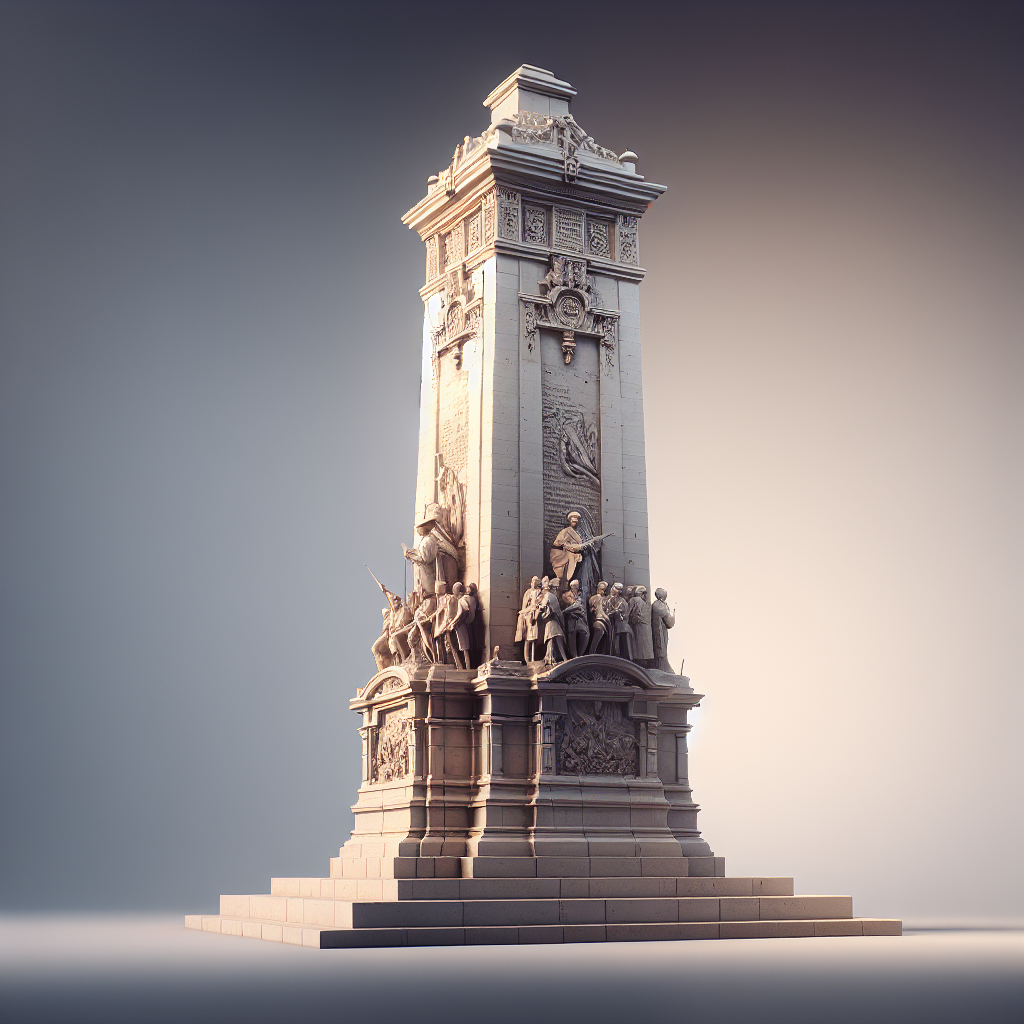

There’s a spot in southern Spain where the past feels as alive as the present, and that’s the Cádiz Memorial. Located in the bustling city of Cádiz, this monument stands as both a tribute and a reminder. Commemorating the Spanish Constitution of 1812, affectionately known as 'La Pepa', this memorial marks a pivotal moment in Spain’s history when democratic ideals bravely resurfaced amidst a European continent shrouded in conservative monarchies.
The memorial was constructed between 1912 and 1929, and it captures an era where the fight for liberty was as invigorating as it was daunting. The Cádiz Memorial lies in the vibrant square of Plaza de España, where locals and tourists alike gather, sharing in the city’s rich tapestry of history and current life. Visitors will find the imposing structure adorned with symbolic sculptures and engravings that recount the spirited struggle for Spain's constitution. Why all the fuss about a constitution signed over two centuries ago? Because it represented hope and change, words that resonate now as much as they did then.
To appreciate the gravity of the memorial, one must step back to 1812. Europe was a melange of power struggles and revolutions, with Napoleon's forces casting long shadows over much of the continent. Spain was no exception, suffering invasion by Napoleonic troops. However, amid adversity, the seeds of resistance and reform took root. The 1812 Constitution was groundbreaking, advocating for representation, freedom of the press, and a drastic reduction of the king’s absolute power. This idea was revolutionary for its time and positioned Spain as a forerunner in the wave of constitutional democracies.
Today, the memorial stands as a testament not only to those bold ideas but to the courage of those who dared to dream of a different world. As you wander around the memorial, its grandeur speaks silently but powerfully. With intricate bas-reliefs and majestic statues, it doesn't take much effort to imagine the collective exhilaration of those who believed that change wasn't just possible, but imminent.
But of course, every story of progress is met with resistance, and the Constitution of 1812 was no exception. Despite its promising proposal, the liberal document faced immediate opposition. Traditionalists feared the loss of their privileges and the chaos they believed would ensue from any shift in power. These fears led to the constitution being abolished twice during the turbulent years following its inception. Its endurance became a poignant symbol of struggle, resilience, and eventual renaissance.
Fast forward to today, and the memorial echoes conversations that are surprisingly contemporary. The world, like Cádiz in 1812, often finds itself at this crossroads between liberties gained and freedoms feared. Many might argue that today’s liberal agenda, advocating for inclusivity and justice, resonates with the same fervor with which 'La Pepa' proposed enfranchisement. The opposition to these ideas hasn't faded either, though it often takes different forms. Conservative voices may argue for tradition, fearing that rapid change threatens the societal balance, much like during Spain’s early 19th-century debates.
But herein lies the beauty of the Cádiz Memorial: it invites us to reflect and learn from the past. It reminds us of the earnest desires for equality and representation that have been expressed through generations. It asks the passersby whether we're listening to the lessons of history, and what we make of this knowledge. Despite the centuries that have passed, the essence of the struggle remains surprisingly familiar.
Yet, acknowledging these perspectives, one can't help but be inspired by the inexhaustible resilience of those who have dared to dream of a better world. Cádiz, with its sun-soaked streets and story-laden monuments, becomes more than just a tourist spot; it transforms into a powerful symbol of enduring hope, inviting every visitor to become part of the narrative.
So, the next time you find yourself in the beautiful city of Cádiz, stand in front of this remarkable memorial, let the past wash over you with its mixed messages of triumphs and setbacks, and ask yourself, 'How far have we come, and where are we going next?' This isn't just a history lesson; it's a timeless call to action for every generation, and its significance remains as relevant and compelling as ever.