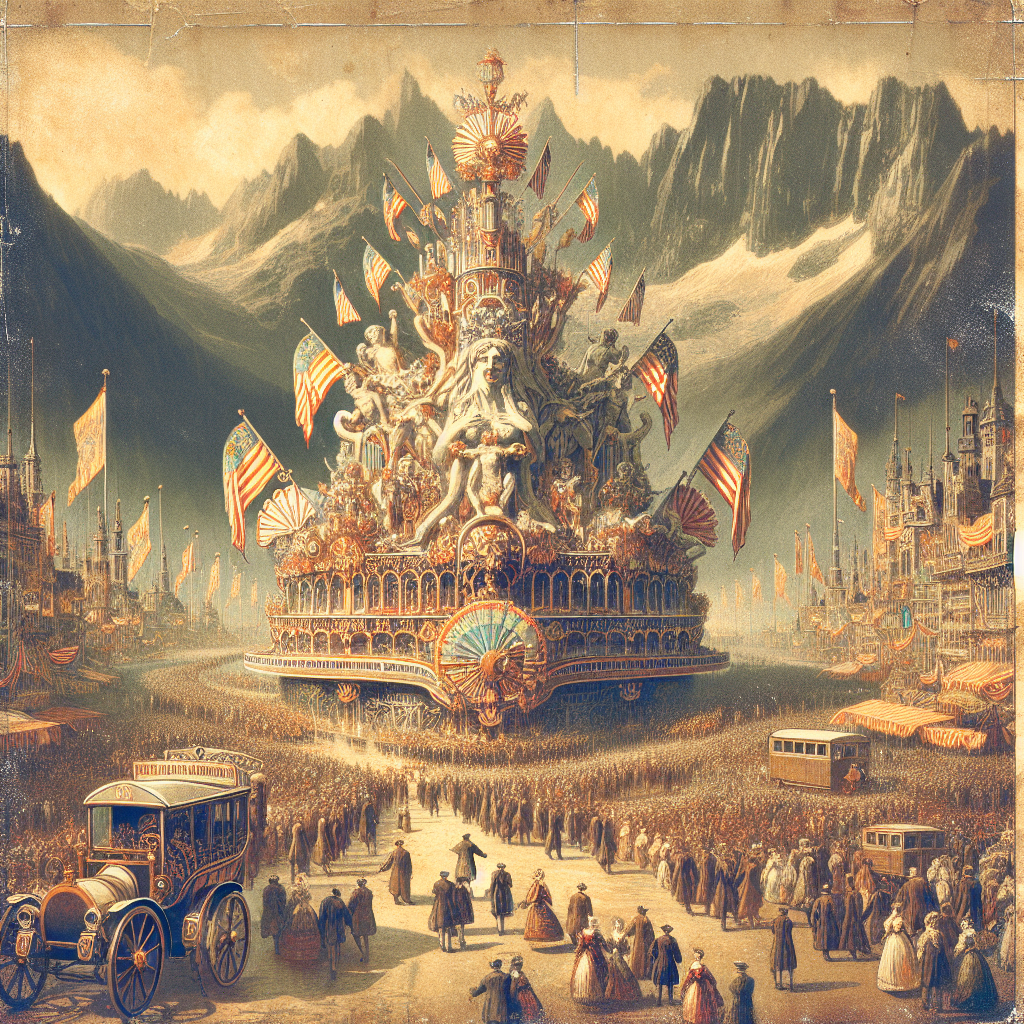

Imagine a lively street brimming with hastily assembled stalls selling everything from vintage shoes to homemade jams, all under a patchwork sky of colorful canopies. That’s the essence of the Braderie, a vibrant, traditional street market that bursts into life primarily in France and Belgium. Typically, these events occur over a few days, with some of the most famous ones taking place in Lille, France, and Brussels, Belgium. Local vendors, emerging artisans, and die-hard bargain hunters converge in a whirlwind of entrepreneurship and camaraderie, igniting urban spaces with culture and commerce.
At its core, a Braderie is a celebration of community spirit, history, and the joy of finding a good deal. It's reminiscent of your neighborhood garage sale, but on steroids, involving entire streets and towns. The biggest and most renowned Braderie, often called the “braderie de Lille,” attracts millions each year, transforming the city into a buzzing marketplace. While shopping malls crush individuality with their cookie-cutter brands, Braderies celebrate uniqueness, offering an eclectic mix of items you probably never knew you needed until you stumbled across them.
From a cultural perspective, these markets are treasure troves. They offer a peek into the societal norms, values, and aesthetics cherished by the communities hosting them. You might find antiques telling stories of historical relevance, or encounter modern artists pushing against tired traditions. Braderie is more than spending money; it’s about preserving and creating culture in the truest sense—beyond digital screens and mass-produced goods.
Some may criticize these events, arguing that they contribute to consumer culture and mindless spending. While these points hold some water, the essence of a Braderie can be seen through another lens as well. They encourage sustainable consumption by promoting second-hand goods and vintage finds, challenging the fast-fashion treadmill we often find ourselves on. It’s like hitting pause and reimagining how we value ordinary things.
Furthermore, Braderies often serve as a platform for small businesses and local artisans who might otherwise struggle to compete against corporate giants. Here, they find an audience eager for authenticity and craftsmanship. Supporting them can shift the economic focus from big chains back to the hands of individuals creating unique products. This not only influences local economies but promotes sustainable trade practices.
But what makes Braderies particularly magical? It's their ability to blend the past with the present seamlessly. These markets are where nostalgia mingles with contemporary innovation. You might clutch an age-old vase in one hand while sampling an avant-garde doughnut with the other. Some find themselves lost in the variety—from rare trinkets to obscure vinyl records. Others simply enjoy the social kaleidoscope, where diverse crowds converge, share stories, and embrace differences in a casual, open setting.
The success of Braderies underscores a growing desire to reclaim and celebrate individuality. In a world where online shopping dominates and same-day delivery services reign supreme, Braderies remind us of the joy in the hunt and the serendipity in finding something unexpected. It’s about tapping into that childlike wonder and appreciation for the things that make life colorful.
While some cities struggle with urbanization’s impact, like unchecked pollution and traffic chaos, Braderies often utilize spaces more creatively. Streets become pedestrian zones, encouraging eco-friendly transportation and reducing vehicular emissions, albeit temporarily. They invite us to rethink urban mobility, aiming for more sustainable community structures while enjoying the vibrancy only a Braderie can provide.
However, organizing such events also brings challenges, like ensuring enough space to accommodate all vendors and attendees safely. Issues of accessibility arise too, with older or disabled individuals sometimes finding it hard to navigate the bustling aisles and walkways. Cities and organizers continue to work on addressing these concerns to make Braderies an inclusive experience for everyone.
In a politically charged world, where debates around trade regulations and cultural heritage rage, Braderies offer a break. They represent an alternative form of economic and cultural exchange grounded in creativity, sustainability, and community spirit—principles that the Gen Z audience values deeply. They embody a move towards conscious consumerism that respects both the past and future generations.
Thus, the Braderie not only invites us to shop but fundamentally asks us to engage. It challenges us to think about what we buy, its origins, and its impact. Whether you're seeking an antique to add character to your minimalist apartment or a conversation that opens your mind beyond algorithm-driven interactions, the Braderie remains a place rich with possibilities. In a way, it’s a reminder of how markets once thrived—rooted firmly in the essence of community and real human connections.