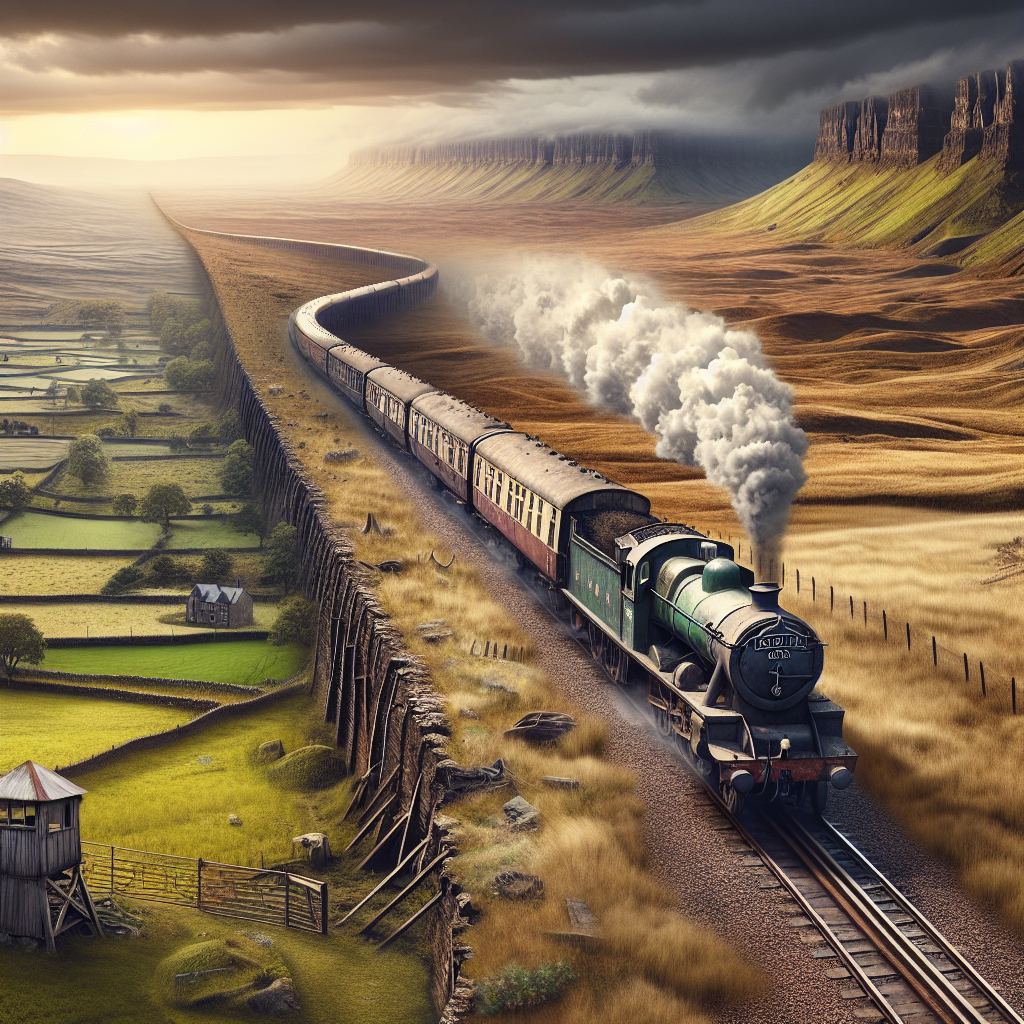

In the world of travel, a journey on Bolan Mail is like stepping into a time machine that takes you through history, mystery, and the untouched beauty of Pakistan's landscape. This passenger train, operated by Pakistan Railways, has a charm that captivates many. Since its inception in the early 20th century, it has been running along the captivating routes from Karachi to Quetta, maneuvering through the rugged landscape of Baluchistan. The historical significance and the cultural harmony that it represents continue to contribute to its long-standing service.
For generations, Bolan Mail has served a vital purpose in connecting the bustling economic hub of Karachi with the strategic city of Quetta. Travelling through the scenic Bolan Pass, it offers its passengers more than just a commute—it gives them an experience, a narrative of resilience and transformation. A destination like Quetta, known for its diverse communities, vibrant culture, and rich history, makes the journey feel like an adventure. The Bolan Mail is more than a train; it is a symbol of connection among the ethnic and cultural tapestry of Pakistan.
This train journey meanders through landscapes that tell tales of antiquity and transitions. One of the nostalgic features is how it carries with it the fusion of cultures and the stories of passengers who share this enduring space. It is a melting pot of languages and traditions, from Sindh to Baluchistan. However, while it stands as a symbol of diversity, the service faces challenges typical of railway systems in many developing regions — aging infrastructure, limited investment, and the struggle to meet modern expectations.
Critics argue that the lack of development and modernization tarnishes the reputation of the Bolan Mail. They insist that inefficiencies in scheduling and maintenance make journeys difficult for passengers to rely on for timely travel. These voices demand governmental focus towards significant reforms in infrastructure to safeguard Bolan Mail’s future.
On the contrary, many fans of the train argue that it is a privilege to experience such a quintessential pocket of railway history. They cherish the nostalgia that comes with each rattle along the tracks and describe it as an opportunity to step away from the fast-moving technology-driven world, into a realm where time slows down, and stories unfold.
Despite the challenges, the Bolan Mail retains its allure through its promise of scenic views and its role in the lives of the people it serves. Each station along the way nods to the cultural vibrance and historical uniqueness of its locale. While the need for modernization is palpable, overlooking the character of the train would mean losing the rustic charm many have come to love.
For the new generation, especially Gen Z, Bolan Mail represents both a challenge and a hope for renewal. There’s a handful of young activists campaigning for infrastructural updates, digital integration, and innovative train services that could attract more tourists and convenience-seekers, ensuring the preservation and appreciation of the railway system.
Yet, the nostalgic allure of Bolan Mail might never truly fade. Whether you view it as a problem needing a solution or a romantic reminder of days gone by, the Bolan Mail stands steadfast as a fixture in Pakistan’s historical journey and its ongoing march toward the future. To hop on the Bolan Mail is to become part of its continuing story — a tale of time, change, and cultural unity.