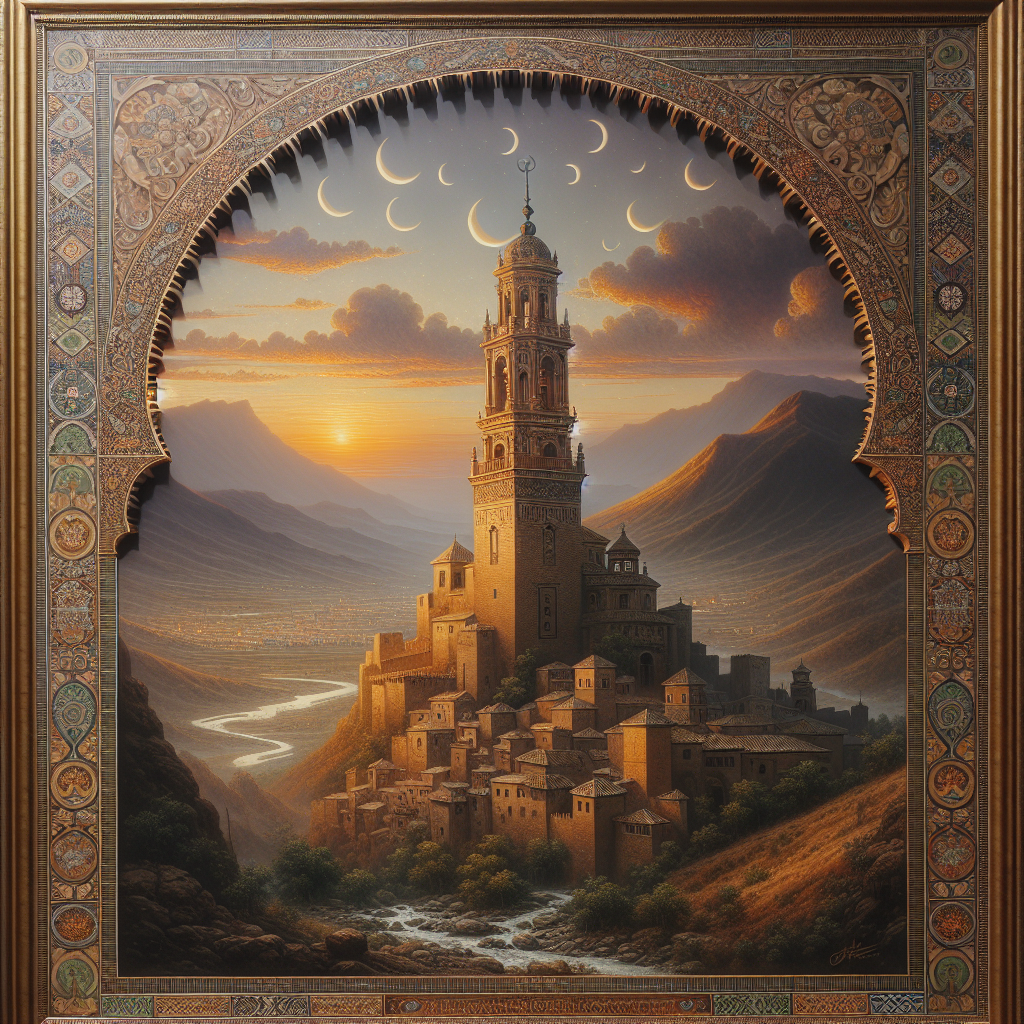

Imagine a place resembling a time capsule of calamity and celebration, where ancient stories dance with modern life in a charming Spanish setting. Berja is exactly that—a small town nestled in the southern part of Spain’s Almería province, offering a stunning blend of history, culture, and natural beauty. With roots stretching all the way back to Roman settlements, Berja is a testament to the resilience and evolution of human societies. The town has been witness to the ebbs and flows of history, from Roman conquests to the turbulent waves of the Spanish Civil War.
Berja is not your typical tourist hotspot. It's an enchanting space often overshadowed by the bright lights of larger Spanish cities. Yet, it holds treasures aplenty for those willing to wander. The Iglesia de la Anunciación is a monumental church, its grandeur a standing tribute to the architectural enthusiasm of the 16th century. Each corner, each cobblestone street speaks volumes of an era we can only read about.
The connection to its past doesn’t stop at the architecture. Berja’s rich tapestries of festivals and rituals give visitors and locals alike a taste of authentic Spanish culture. The annual cherry festival, held every June, paints the town in vibrant colors and joyous cheers. Locals invite all to join in a celebration that’s been kept alive over generations, marking both the bountiful harvest and the bonds of community.
The scenic Sierra de Gádor mountain range frames the town, providing a dramatic canvas for adventure and exploration. Outdoor enthusiasts can trek these paths that once served as mines for iron and lead. Nature here isn’t just a backdrop; it integrates seamlessly into the daily rhythm of life in Berja. The mountains not only tell tales of industrial endeavors but also highlight the increasing awareness of ecological preservation prominent in today's generation.
While Berja embodies tradition, it's also a heartbeat away from conversations surrounding progress and sustainability. The younger residents, particularly, are steering dialogues about environmental practices that align with contemporary values. This reflects a global shift toward more sustainable living, striking a chord with anyone committed to such principles.
There is, however, a duality that permeates through Berja’s approach to modernization. As it strides toward a promising future, there's a constant tug between conserving cultural identity and adopting certain global norms. It's a common thread many small, culturally rich towns grapple with in an age of modernization. Understanding this nuance makes Berja's story all the more engaging—pitting passionate tradition-keepers against those advocating for change, modernization, and eco-friendliness.
The dialogues opened by Berja’s current generation echoes concerns faced by youth worldwide. How do you balance local customs with burgeoning global culture? How do we innovate without sacrificing identity? The answers aren’t straightforward, but Berja's ongoing discourse offers a fascinating case study of these themes in action.
Politically, Berja steers clear of extremism, resting in a space where liberal ideas often guide town planning and policy making. It provides an atmosphere where discourse can evolve naturally, and innovation in social policy doesn’t necessarily tamper with inherited values.
While Spain is applauded for its Mediterranean lifestyle and cultural exuberance, towns like Berja are vital narratives in the country's overall heritage. Immersing in its life prompts important discussions about sustainability, identity, and the dynamic nature of tradition in modern society.
Visiting Berja isn't just about sightseeing. It's about engaging in the conversations that shape our world, tasting the authentic joy of living closely with nature, and cherishing age-old traditions. It challenges us—in the best ways—to think about our place in history and how we contribute to the narrative we now live in.
Berja remains a compelling example of how small communities play an essential role in knitting the grander tapestry of national identity. Their stories, struggles, and successes resonate far beyond the town's confines, inviting us all to witness, learn, and reflect.