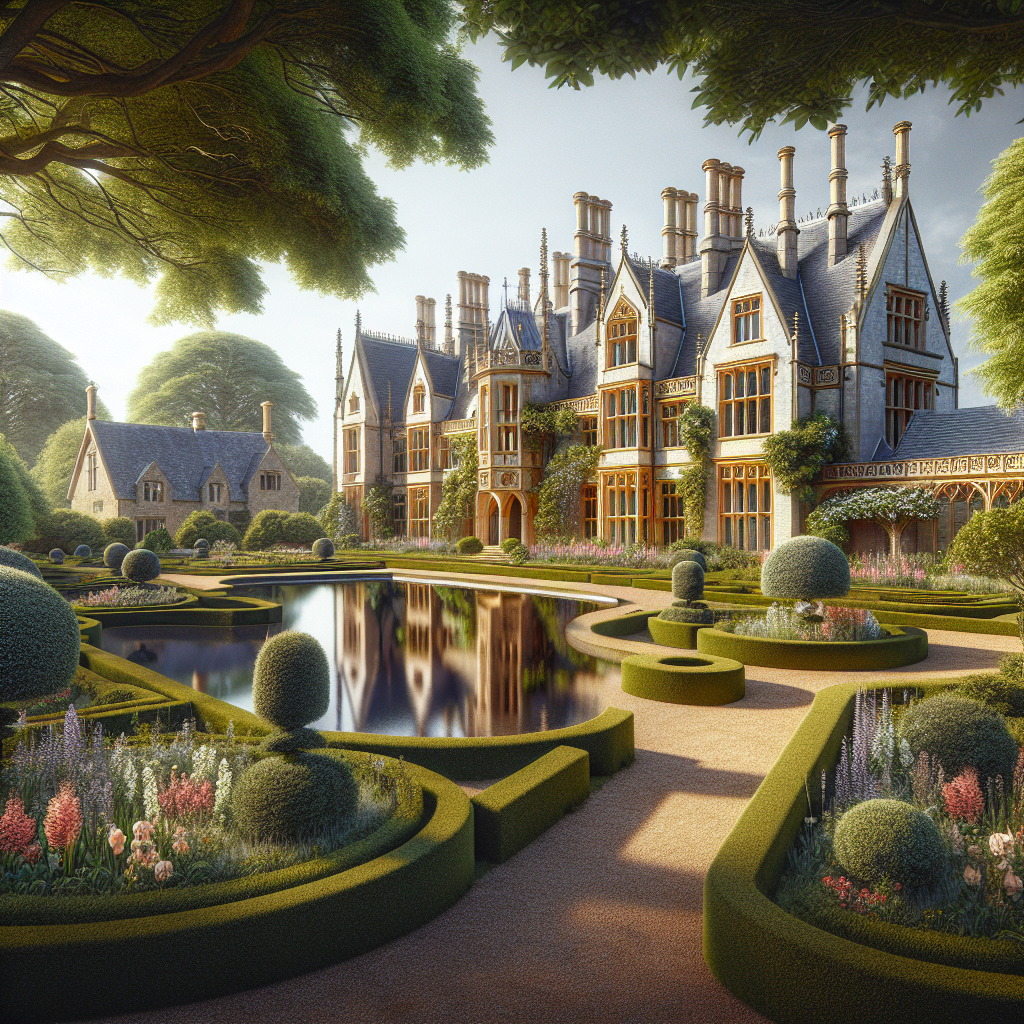

Imagine stepping into a storybook filled with history, where every corner whispers secrets of the past. That's exactly the kind of vibe you get when you visit Barrington Court, a stunning Tudor manor house located near Ilminster in Somerset, England. Built in the 16th century, Barrington Court opens a window to the past, standing as a testament to Tudor architecture while offering a glimpse into how conservation can write a second chapter for forgotten places. This preserved property transports visitors back in time, thanks to its meticulous restoration efforts starting back in the 1920s under the guidance of Colonel Abram Arthur Lyle, who brought the manor back to life. He embraced the notion that old structures should be preserved rather than replaced, a radical idea during a time when many historic buildings faced demolition.
Walking through the manor, you can't help but feel a sense of nostalgia. It’s like being part of a past era. Barrington Court has no furniture, which is pretty cool since it lets the architectural features star as the main attraction. This approach helps visitors appreciate the craftsmanship and artistry of the Tudor period, from the grand galley to the panel-lined rooms.
Besides the manor itself, Barrington Court offers striking gardens that are a picture of serenity. Designed by Gertrude Jekyll, the famous garden designer, the grounds offer a beautiful blend of color and form throughout the year. The walled kitchen garden is a highlight for many, showcasing a sustainable approach to agriculture—a topic more relevant today than ever, with the growing conversation around self-sufficiency and environmental consciousness.
Despite its historical splendor, Barrington Court hasn't always been smooth sailing. The manor faced possible decay before the National Trust stepped in to protect it, paving the way for future generations to experience its wonders. This scenario taps into a broader discussion about heritage conservation and its impact on tourism, education, and local economies. The manor's existence today represents a successful case of how historic preservation can work in synergy with modern interests.
Understanding the past is crucial, but so is acknowledging the different perspectives people hold regarding restoration and conservation. Some argue that preserving ancient buildings is a luxury when there are more pressing social issues. They question the allocation of funds to refurbish old houses instead of addressing homelessness or education deficit.
However, the other side of the debate highlights how historical sites like Barrington Court contribute socially and economically. Cultural heritage tourism boosts the local economy by creating jobs, drawing global visitors, and inspiring educational programs. They serve as dynamic museums, where history is not confined to books but lives in bricks and mortar.
Barrington Court is also a haven for creatives. The BBC’s television adaptation of Hilary Mantel’s Wolf Hall was filmed here, allowing people worldwide to see its exquisite setting. This shows how heritage spaces can intersect with modern media, bringing revenue and attention to preservation efforts. Making history accessible through media can spark curiosity in younger audiences, too, reinforcing the importance of maintaining our shared history.
For Gen Z, this is particularly relevant. In an age of rapid change, grasping continuity and learning from the past is invaluable. Visiting a place like Barrington Court can evoke emotions and connections that contribute to shaping personal and collective identities. There is often a feeling of interconnectedness when stepping into historical spaces, which can remind us of our role in carrying stories forward.
Yet, as we acknowledge these perspectives, we should also be mindful that accessibility is key. Making sure that everyone, regardless of mobility or financial situation, can experience such places is vital in promoting inclusivity in historical education.
In a world where new buildings rise while old ones crumble, Barrington Court stands as a breathtakingly quiet yet resounding advocate for the preservation of history. It's an invitation to slow down, look closely, and listen to what the past has to teach us.