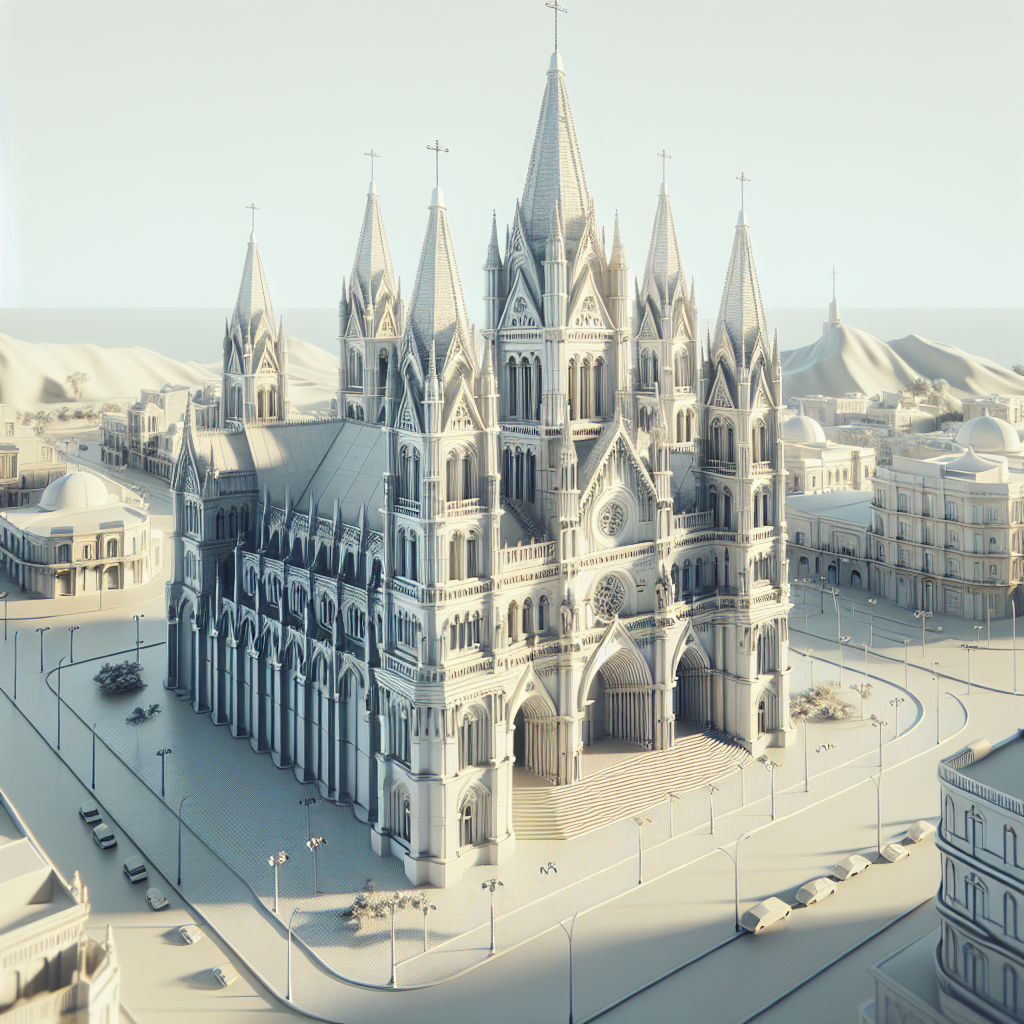

Picture this: a city brimming with cultural history, and at its heart, the architectural splendor of Bahía Blanca Cathedral standing like a guardian of time. Located in the Argentine city of Bahía Blanca, this cathedral is much more than just a structure. First consecrated in 1900, although the site had religious significance prior, this remarkable building is a living testament to the city’s European influences and the religious devotion of its locals, providing insight into a rich past while welcoming modern-day visitors.
The Bahía Blanca Cathedral, often termed as 'Catedral de Nuestra Señora de La Merced,' is as visually stunning as it is historically significant. Completed over a century ago, the cathedral was initially designed by Italian architect Uberto Gianoli. This fact speaks volumes about the broader European impact on Argentine architecture and culture. Here’s a fun tidbit for architecture enthusiasts: the design boasts an eclectic mix of neo-Romanesque, neo-Gothic, and even some neo-Classical elements. It's akin to a historical mashup that went gloriously right.
Walking into this majestic edifice, you are quickly swept away by the quiet awe of its interiors. The high-vaulted ceilings, grand arches, and stained glass window delight your senses. You can almost feel the weight of decades of prayers, designs chiseling faith into its walls. It’s humbling in its grandiosity yet inviting in its quiet serenity. The cathedral's acoustics are also a treat for those lucky enough to hear the tolling of its bells or an organ piece echoing within its walls.
It's easy to get enchanted by the cathedral’s beauty, but it’s essential to recognize its societal role too. In a world where divisions and conflicts sometimes seem insurmountable, places like Bahía Blanca Cathedral remind us how community and faith can build bridges. It marks a gathering place and spiritual sanctuary for many locals. It serves as a testament to the blend of cultures that have passed through Bahía Blanca, providing peace and solace to its parishioners.
However, not everyone finds cathedrals synonymous with peace and community. For some, they symbolize a complex history of colonial expansion and religious hegemonies. The facades and altars, often lavishly funded and extravagantly designed, can be seen as representations of the Church's past power and its role in colonization. Particularly for indigenous populations across Latin America, these buildings might evoke a reminder of cultural erasure and enforced religious conversion.
This duality of perspective is essential to grasp. For every awe-inspired visitor who stands mesmerized by the opulence of stained glass and towering spires, there's someone reassessing the narratives these structures uphold. It’s incumbent upon contemporary society, especially younger generations like Gen Z, to recognize these conflicting narratives. Acknowledging the entirety of history—its beauty and its blemishes—is pivotal.
Still, the Bahía Blanca Cathedral continues to be a place of immense community and cultural value. With its foundation steeped in history, it hosts numerous cultural events and remains a prime venue for community gatherings. Over the years, it has witnessed countless celebrations, weddings, and pivotal ceremonies that tie into the societal fabric of the city.
The café and bookstore across its plaza offer a perfect blend of old and new, intending to blend culture, faith, and modernity in sync. It's a haven for vibrant conversations and diverse discussions that reflect the evolving nature of Argentine society. Weekends often see vendors adorning the streets with artisanal crafts, further highlighting the synergy between the cathedral and the city's life.
In understanding the Bahía Blanca Cathedral, we are called to be mindful of the broader implications of historical architecture. It beckons us to listen to the stories they're entwined with, from the hopeful prayers whispered within to the complex tales of societal shifts outside its doors. At its core, Bahía Blanca Cathedral is emblematic of more than religious faith. It’s a microcosm of a city's identity, its past rubbing shoulders with a hopeful future.
Think of Bahía Blanca Cathedral as a guiding star on a historical night. It guides travelers and locals with its ageless charm, illuminating paths of shared stories and societal reflections. As we explore such historical wonders, it’s worth pondering the conversations they inspire about the world around us, both past, and present. After all, how we interpret history defines how we move forward.