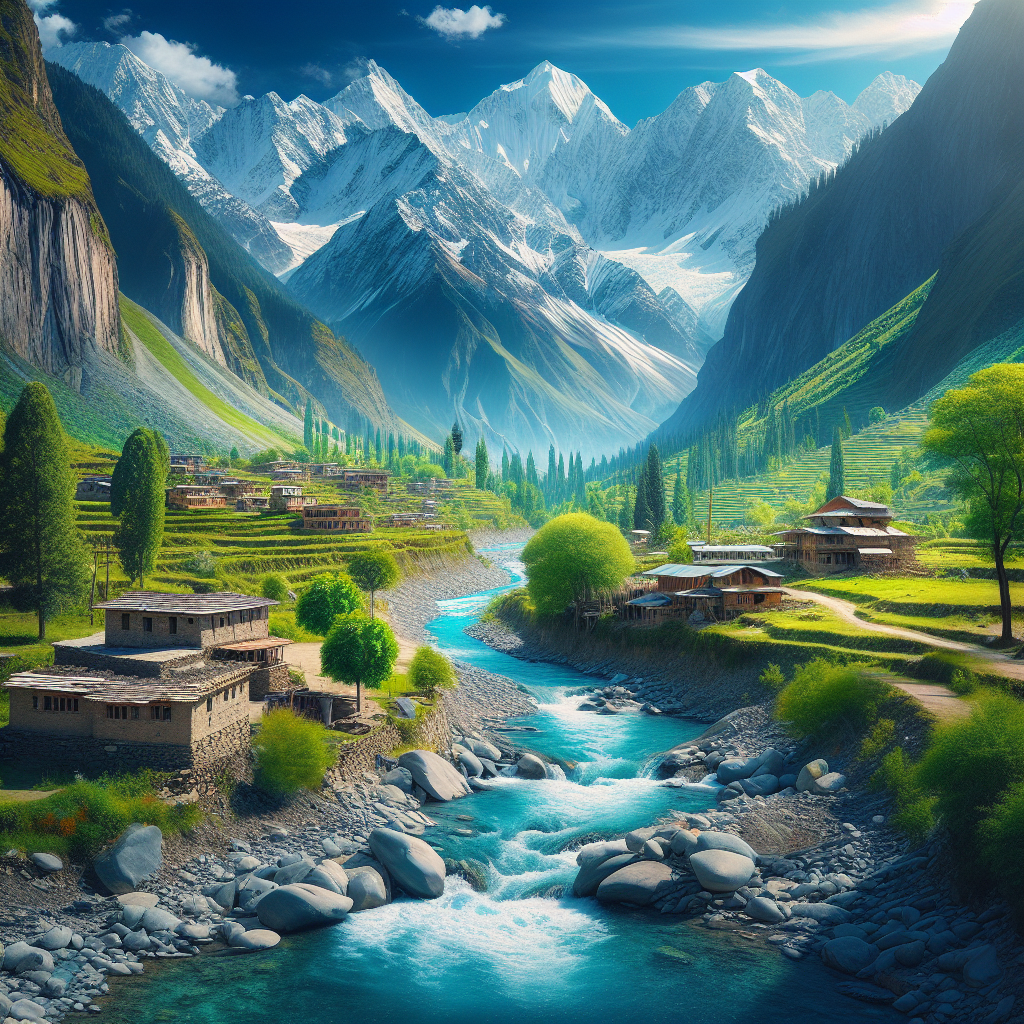

Imagine stepping into a painting, where nature’s hues are more vibrant than anything captured on canvas. That's Bagrot Valley for you. Hidden within the mighty Karakoram range inside Gilgit-Baltistan, Pakistan, Bagrot is a place where time seems to stand still and the landscape dances on your senses. With a population of around 20,000 people, this valley's charm lies not only in its stunning beauty but in the rich culture and traditions its residents have cherished for generations.
Bagrot hasn't always been open to the world, but in recent years, it's started catching the eye of those eager to explore paths less traveled. The valley is sprinkled with quaint villages—each offering a unique slice of mountain life. With tourism slowly pacing up, the blend of natural beauty and cultural richness beckons the adventurous Gen Z soul seeking experiences beyond Instagram’s filtered horizons.
You might wonder why people from urban sprawls would want to venture into remote locales like Bagrot. But imagine the thrill of hiking through untouched trails and stumbling upon breathtaking vistas at every turn. Those with a penchant for stargazing away from city lights would find the clear night skies here an irresistible canvas. It's an experience that can't be replicated in the digital domain, bringing you face to face with nature’s raw brilliance.
However, the valley isn't just for nature enthusiasts. Its residents, primarily the Burusho people, have a fascinating history and a culture that has been carefully preserved. Burusho hospitality is warm and heartfelt. Whether it's their traditional music, the folkloric dance, or their penchant for storytelling, every experience here is an anecdote worth sharing. Conversations over a cup of salt tea might lead you to new perspectives, or perhaps, new friends.
Despite the picturesque allure, living in Bagrot is not idyllic by modern standards. Harsh winters sometimes isolate the valley, testing the resilience of its inhabitants. The economy primarily revolves around subsistence agriculture, with residents growing apricots, apples, and cherries, bringing a splash of color to their lives against the rugged backdrop. Yet, these challenges also build community strength and resourcefulness, qualities that many distant from such settings admire but rarely encounter firsthand.
Some argue that tourism brings the double-edged sword of economic improvement and cultural dilution. While opening up to visitors offers avenues for economic growth and infrastructure development, it also risks the erosion of traditional ways. Preserving this delicate balance is a subject of significant discussion. While the influx of visitors might pave the way for improved schools and health facilities, it simultaneously creates a pressure on locals to adapt and sometimes alter traditional lifestyles.
The youth in Bagrot are caught between worlds. On one hand, they aspire for more opportunities, possibly leading to migration away from their roots. Social media and digital connectivity serve as windows to the world beyond, fanning dreams of urban life with modern amenities. On the flip side, there’s a growing movement among some young people to champion sustainable tourism. They recognize the importance of conserving their valley’s biodiversity and cultural heritage, hoping to attract mindful travelers.
Eco-tourism stands as a potential path to tread carefully. Initiating programs that emphasize local culture and environmental preservation can ensure that tourism's benefits aren't short-lived. Planting trees, conserving wildlife, and maintaining historical sites could represent beginnings that protect the valley's essence while encouraging respectful tourism. Moreover, the genuine stories shared by locals and their traditions have the potential to create long-lasting bonds between hosts and guests.
The conversation around the future of places like Bagrot needs more voices, including those who have never set foot in it. It's about understanding that a world exists beyond the urban and the sprawling, where life's simplicity is its own poignant luxury. Places like Bagrot epitomize the romanticism of going 'off-grid' but come with realities and complexities deserving of nuanced appreciation.
What do the next few years hold for Bagrot Valley? It could become a touristic hotspot or remain a niche destination for avant-garde travelers. The balance of development and preservation will dictate its future, needing input from policymakers, residents, and yes, you the potential visitor. It's a question of how to best embrace the winds of change without losing the essence that makes Bagrot special. Will this stunning valley with its rich heritage write the next chapter in its own narrative, or will it be penned by external influences?