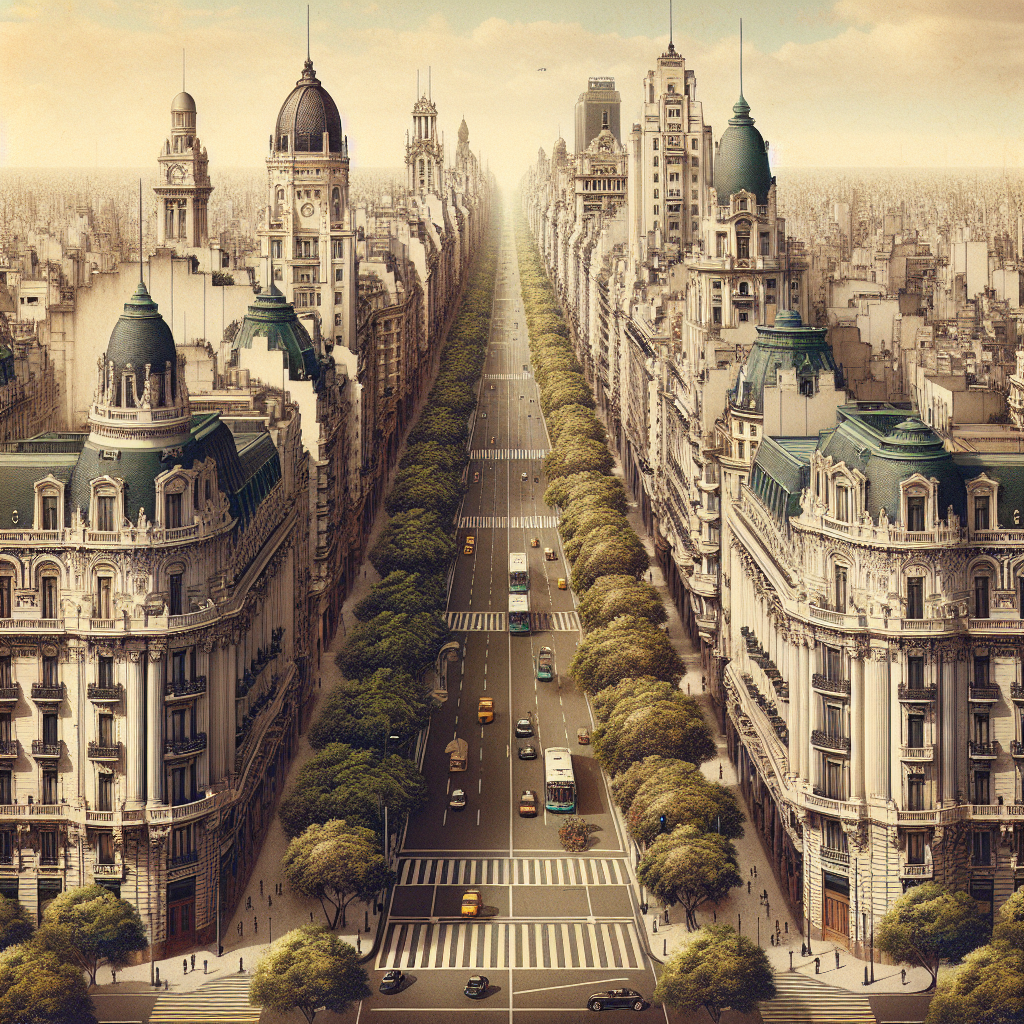

If streets could talk, Avenida Alvear would be a captivating storyteller. Nestled in Buenos Aires, Argentina, this Avenue is a delightful blend of extravagant architecture, historical significance, and cultural pulse. Born out of ambition and constructed during the country's belle époque, the avenue stands as a testimonial to its past social stratification and dizzying opulence that once was. You’ll find shops, embassies, and hotels that whisper both tales of the old elite and stories of modern globalization.
Avenida Alvear stretches through the posh neighborhood of Recoleta. It's long been a thoroughfare of affluence, displaying a catalog of French Renaissance, neo-Gothic, and Art Deco designs. Historically, the avenue represented Argentina’s desire to emulate European standards of luxury. The who isn’t just the wealthy locals who once strolled its paths but the diplomats, tourists, and architects who leave their marks. Designed by the Argentinian urban planner Torcuato de Alvear, it was named after his father, Carlos María de Alvear, a key figure in the country's struggle for independence.
While serving as an archive of cultural progression, Avenida Alvear also highlights the city’s economic challenges. Marginalized voices point out the disparity parked beside the glimmering boutiques. The street has a dual nature: a landscape of aspiration and critique. Some argue that all the glamour initially served to mask underlying inequalities. This contrast is where Avenida Alvear becomes really intriguing.
Walking along Avenida Alvear becomes an all-sensory experience and a rare opportunity to engage with both historical decadence and modern adaptation. It’s impossible not to stop at the Alvear Palace Hotel, an iconic symbol that has hosted celebrities like Ava Gardner and Ella Fitzgerald. To many, these buildings are pieces of art, mementos to be preserved. To others, it seems unreasonable not to question the access and privilege they represent.
The street's timeless nature continues to inspire artists and professionals. It’s the kind of place whose artistic vibrance feels almost tangible. You'll find art galleries nestled amid luxury brand stores; such attractions make Alvear a point of cultural convergence. The thrill of searching through vintage stores, cameras snapping in delight, is enough to captivate any Gen Z-ers eager for authentic experiences in a world often accused of being too virtual and ephemeral.
Not to shortchange the complete sensory overload, Avenida Alvear is lovely for taste buds too. Cafes that feel like pages out of an F. Scott Fitzgerald novel grace the sidewalks. Tango music might just catch your ear as passionate dancers waltz past, filling the air with a taste of tradition and romance.
What truly shapes Avenida Alvear today is the dialogue between its past and future. Developers have sometimes been at odds with preservationists, a controversy that showcases two sides of progress: Should historical relics be preserved at all costs or should there be space for modern commerce and development? In that discussion, there’s room for creativity—but there’s also a call for thoughtful urban renewal.
Avenida Alvear is more than a street; it’s a masterclass in social narrative stitched together with threads of both opulence and imperfection. It's a microcosm where you might say the world’s most vital discussions about identity, access, and sustainability play out. These dynamics make the boulevard not just beautiful to behold but also outstanding to reflect upon.
Opportunities to change our cities for the better often arise from acknowledging and learning from the past. Avenida Alvear becomes a locus for dealing with privilege and power while still celebrating its undeniable elegance. Like a mirror held up to society, walking these paths invites introspection about values and progress.
To understand Avenida Alvear fully, one must immerse themselves, experiencing the quiet whispers of its stones and the vivid stories told through the elaborate balconies. It's a complex dance, a robust invitation to a conversation about time, place, and people.
Avenida Alvear isn't just a gem of Buenos Aires, it's a testament to human ambition and its myriad outcomes—an inspiring, albeit complex, journey worth walking.