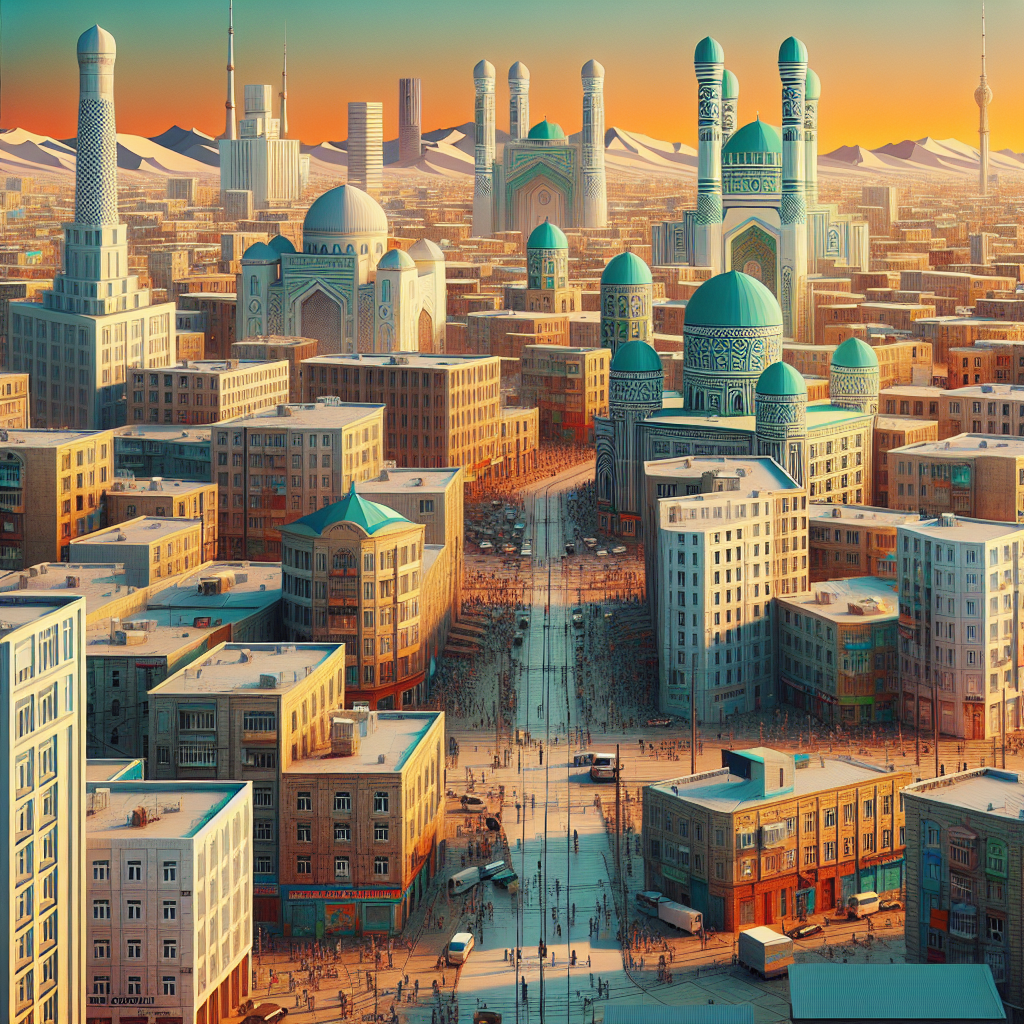

Imagine a place where the desert meets the sea, where the landscapes scream adventure and the culture invites intrigue—welcome to Aktau. This city, nestled on the eastern shore of the Caspian Sea in Kazakhstan, emerged in the 1960s as a hub for the Soviet-era uranium industry and since then has grown into a place of unique charm. Aktau stands as both a historical remnant and a modern, bustling city, offering a mix of pristine beaches, dramatic cliffs, and a tapestry of diverse cultures. Its significance grows as Kazakhstan's regional beacon on the Caspian Sea, and yet, it remains a lesser-known escape for those seeking something off the beaten path.
Aktau might not be the first place you think of when dreaming of seaside vacations or exploring central Asia, but that's precisely why it deserves your attention. The city itself, with its grid-like Soviet architecture, might feel utilitarian at first glance. These symmetrical blocks tell tales of an era focused on minerals and expansion, echoing the global political waves of resource development. Yet, the magic lies in how Aktau feels like an unexpected mold—a city born out of necessity that evolved into a thriving hub against all odds.
One of the most fascinating aspects of Aktau is its landscape. The Mangystau region, of which Aktau is the capital, is a mesmerizing blend of vast steppes and rugged cliffs that dive dramatically into the Caspian Sea. This gives an irresistible sense of adventure for nature enthusiasts and photographers. Among the natural wonders is the stunning Chalk Mountain Range with its striking white pinnacles. It's a paradise for trekking and discovering the quiet beauty of Kazakhstan's wilderness.
The Caspian Sea, which Aktau proudly hugs, adds a dynamic touch to the city's cultural and economic life. It's not just an enormous body of water but a lifeline for trade routes running through Eurasia. Its fish-rich waters bring business through seafood and create a leisurely backdrop for locals and tourists who enjoy its beaches during the hot summer months.
Apart from its natural beauty, Aktau carries the legacy of being one of the few places globally where you can walk to remnants of ancient civilizations—sites like the mysterious petroglyphs of Tamgaly Tas and the Sultan Epe Underground Mosque aren't too far away. These places hold stories inscribed on stones that speak of Kazakhstan's long and varied history, thrilling both historians and curious travelers alike.
For those into cultural immersion, Aktau presents a microcosm of Kazakhstan's diverse ethnic tapestry, including Kazakhs, Russians, Ukrainians, and even some Chechens. Each group enrichens the city with its unique foods and festivals, creating a multicultural experience that surprises and delights visitors. For example, you can explore the culinary delights, where nomadic influences mix with modern twists, offering Kazakhstan’s renowned lamb dishes or Russian pelmeni in quaint local cafes and modest eateries.
Politically, Aktau is increasingly important as Kazakhstan’s government invests in its development as part of broader regional strategies. It serves as a key player in the country’s economic vision for modernization and diversification. This pivot not only enhances its economic fabric but makes international observers keep a keen eye on its growth and influence in the region.
However, development isn't without its challenges. As Kazakhstan pushes forward with its economic ambitions, there is an ongoing conversation about environmental sustainability and the impact on local ecosystems. The region's oil industries also play a massive role in its economic blueprint while sparking discussions about environmental responsibility. Acknowledging these dualities is crucial for understanding Aktau’s place in global dialogues about progress and conservation.
While some skeptics might point out that Aktau lacks the postcard-perfect allure of other tourist destinations, the city flips that narrative by offering a real, raw perspective on life at the crossroads of nature and industry. There is a growing tourism industry catering to those desiring more than the classic travel brochure experience, and it's here where Aktau shines brightest. It isn't trying to outcompete Europe's grand beaches or Asia's urban skylines—it invites you to understand the mixed legacy of the past and a rapidly changing future.
Ultimately, Aktau is a mosaic of ancient, Soviet, and modern influences—each leaving its indelible mark on the city. Whether you're an intrepid explorer, a history buff, or a curious onlooker, you'll find that it provides a unique narrative worth exploring. This hidden gem on Kazakhstan’s seaside challenges us to see beyond conventional destinations and realize the diverse stories our world has to offer.