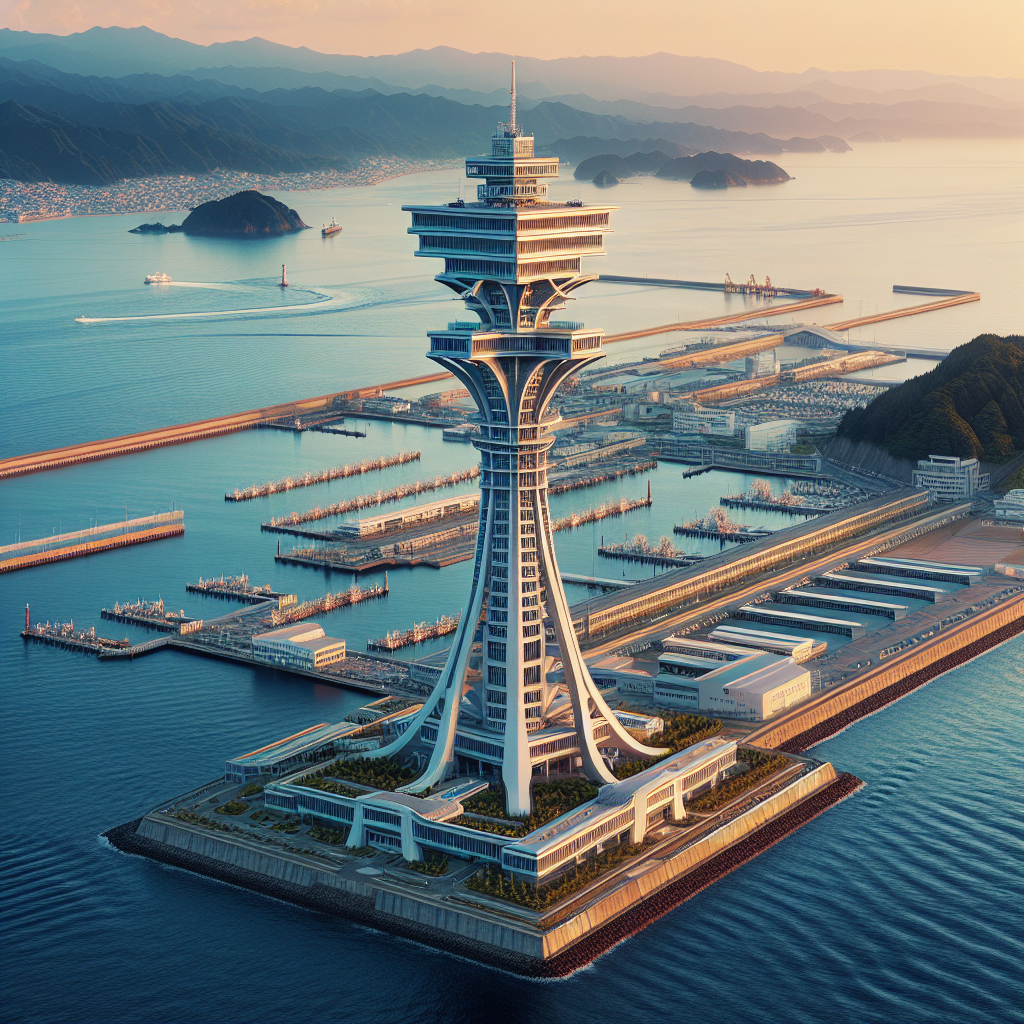

Imagine a skyscraper stepping out of a postcard, looming under the bright Akita skies. The Akita Port Tower Selion is this towering marvel located in Akita City in Japan's Tohoku region. Completed in 1994, the Selion stands 143 meters high, a testament to architectural dreamers who sought to blend function with elegance. It's more than just a sparkling needle reaching for the clouds; it's a beacon of innovation and community engagement, attracting both locals and curious travelers with its imposing presence and an alluring blend of ocean views and cultural allure.
The Selion didn’t just appear out of thin air. It was born from a need to boost local tourism and infuse life into an area longing for economic revitalization. Japan in the '90s was a country experiencing rapid change, having rebounded grandly from post-war tribulations to an economic powerhouse. Yet, some regions like Akita needed a surge of tourists and an economic stimulant. The tower, in its imposing form, became more than a building; it was hope, ambitions crystallized into steel and glass, aiming to lift Akita into the limelight.
The Akita Port Tower Selion doesn’t function as a traditional lighthouse but it metaphorically lights the way for locals and visitors alike. Its observation deck offers panoramic views of the Sea of Japan, the nearby mountains, and the city sprawl. For many visitors, climbing this high pierce in the sky isn't just about the height but a glimpse into the horizon of dreams and aspirations, where sky meets land and the tangible becomes the ethereal.
As every traveler or history buff will appreciate, icons like Selion often harbor stories. This is about more than the stunning canvas of Akita's coastline. It’s about people: engineers with zeal, architects who dared to scrape the sky, and townsfolk who longed for bustling streets. The purpose was lofty, yet simple: bind the past with the present and greet the future with open arms.
For young explorers, the Selion isn’t merely a destination to check off a list. Instead, it serves as a thought-provoking journey. It combines the beauty of nature with human ingenuity. But, not every opinion is painted in rose hues. Skeptics argue about its economic aftermath, debating whether such structures truly uplift or simply tower over fleeting enthusiasms. As with many grand projects, the truth often hides in a nuanced middle ground.
Even if the tower's economic impacts face scrutiny, its cultural significance is undeniable. The Akita Port Tower fulfills more than a fiscal ambition; it captures an era’s spirit, perseverance during times of change, and the aspiration for brighter horizons. It's no surprise that amidst the growing tourism, the tower also becomes a voice, echoing the need to balance augmentation with community respect.
The digital era dazzles with urban landscapes and selfies that vie for clout, yet tucked away in Japan's layer of narratives, the Akita Port Tower remains relevant, telling stories that don’t fade with time. Younger generations might wonder where such structures fit in. Are they relics, or do they push forward as essential cultural landmarks? One could argue, alongside livelier city structures, Selion achieves a unique role. It speaks less to the frenzy of rapid transformation and more to the soft elegance of steadfast aspirations and cultural pride.
Returning from a journey to the Akita Port Tower Selion often leaves one enriched, reflective. It’s a monument mixing nostalgia with futuristic dreams. For Gen Z, this may resonate deeply. Questions around sustaining tourism without harming local communities loom large and Selion provides a case for thoughtful balance.
Indeed, as broader existential challenges emerge globally, and debates around developmental choices heat up, smaller, poignant stories like Selion anchor us, reminding us of humanity's shared dreams. Enduring as both an object of beauty and historical curiosity, the Akita Port Tower Selion is not merely an upright horizon pin—it’s a narrative masterpiece written in steel and sky.