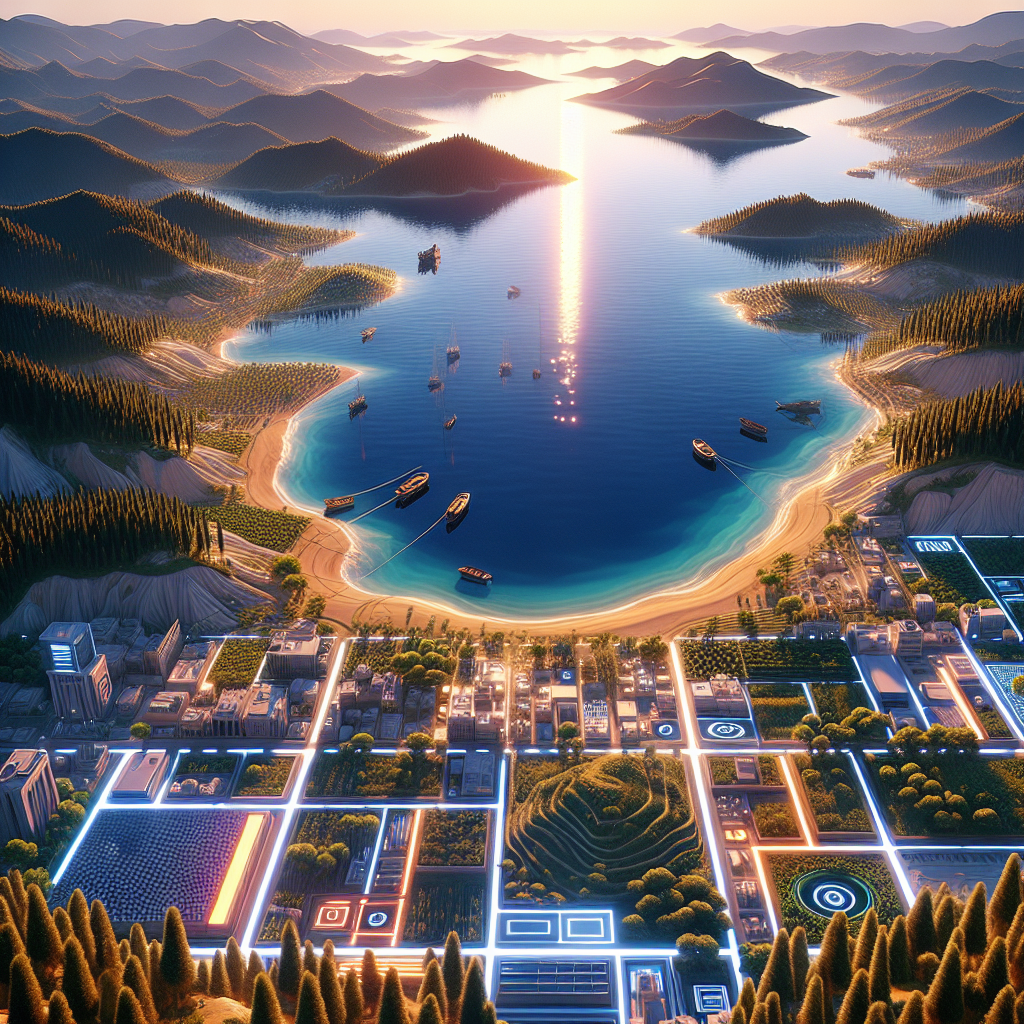

Across the sprawling canvas of Greece’s legendary landscape, where myth and modernity intersect, lies a region that whispers tales of ancient warriors and serene natural beauty — Aetolia-Acarnania. Often overshadowed by the bustling allure of Athens or the sunny shores of Santorini, this lesser-known area beckons travelers with its unassuming charm. Encompassing vast mountains, lush wetlands, and historical wonders, Aetolia-Acarnania is a blend of what made Greece an epicenter of ancient civilization and what binds it with the spirit of modern-day wanderers.
Stuck between longing for the past and aspiring for progress, Aetolia-Acarnania is the largest regional unit in Greece. It's where you get to wander through ancient ruins without throngs of tourists interrupting your solitude. From the days when it cradled great warriors, poets, and philosophers, it now offers a respite for those yearning to connect with an authentic slice of Greece.
This area has a way of quietly weaving itself into one's soul. Perhaps it's the towering mountains of the Valtos range or the shimmering waters of Lake Trichonis, the largest in Greece. Rich in biodiversity, its wetlands create a haven for bird watchers, while the rolling hills and expansive coastline invite endless outdoor adventures. Sprinkled throughout are villages where traditions endure, and centuries-old architecture stands testament to the region’s complex history.
Yet Aetolia-Acarnania's identity is multifaceted. Historically, it was a land of strategic importance, often caught in the crossfires of expansionist empires. Here, you feel the weight of history, whether in the ancient city of Pleuron or the fortress of Nafpaktos. But it’s not just about embracing the past — it's also about understanding how these ancient spaces exist within today's realities.
Today's Aetolia-Acarnania captures the balancing act of rural charm against a backdrop of economic challenges. Older generations cling to traditions, farming practices, and the community, while younger folks weigh their options between staying in their hometowns or venturing to bustling cities for opportunities. In this particular dilemma, one sees the larger tension of a world moving towards globalization while trying to preserve the fabric of local cultures.
This generational crossroads is mirrored in the politics of the region, with discussions that echo larger national debates. For example, issues like infrastructure development, environmental protection, and tourism are pivotal. Advocates for progress argue for better roads and facilities to welcome more visitors, whereas conservationists press for sustainable practices to protect the precious landscapes and wildlife.
While I'm all for sustainable progress, there's merit in pondering the views of those hesitant towards change. Their voices serve as reminders of the importance of tradition and identity in a rapidly changing world. The connection to the land runs deep here, and the cultural heritage is something worth preserving, even as it adapts for the future.
Visiting Aetolia-Acarnania provides more than just a sightseeing trip; it's an opportunity to engage with the heartbeat of Greece beyond the postcards. Whether it's wandering through olive groves, sipping coffee in a locally-owned café, or being enveloped by the stories shared by its inhabitants, you realize travel here is transformative. It's a place where stories aren't just told, but lived, day by day.
Ultimately, Aetolia-Acarnania is much like the greater narrative of Greece itself: an intricate balance of past and future, old and new. It's both a reminder and an invitation — to see beyond the usual tourist map, to listen to forgotten stories, and to appreciate the complexities that make it a unique part of our world.