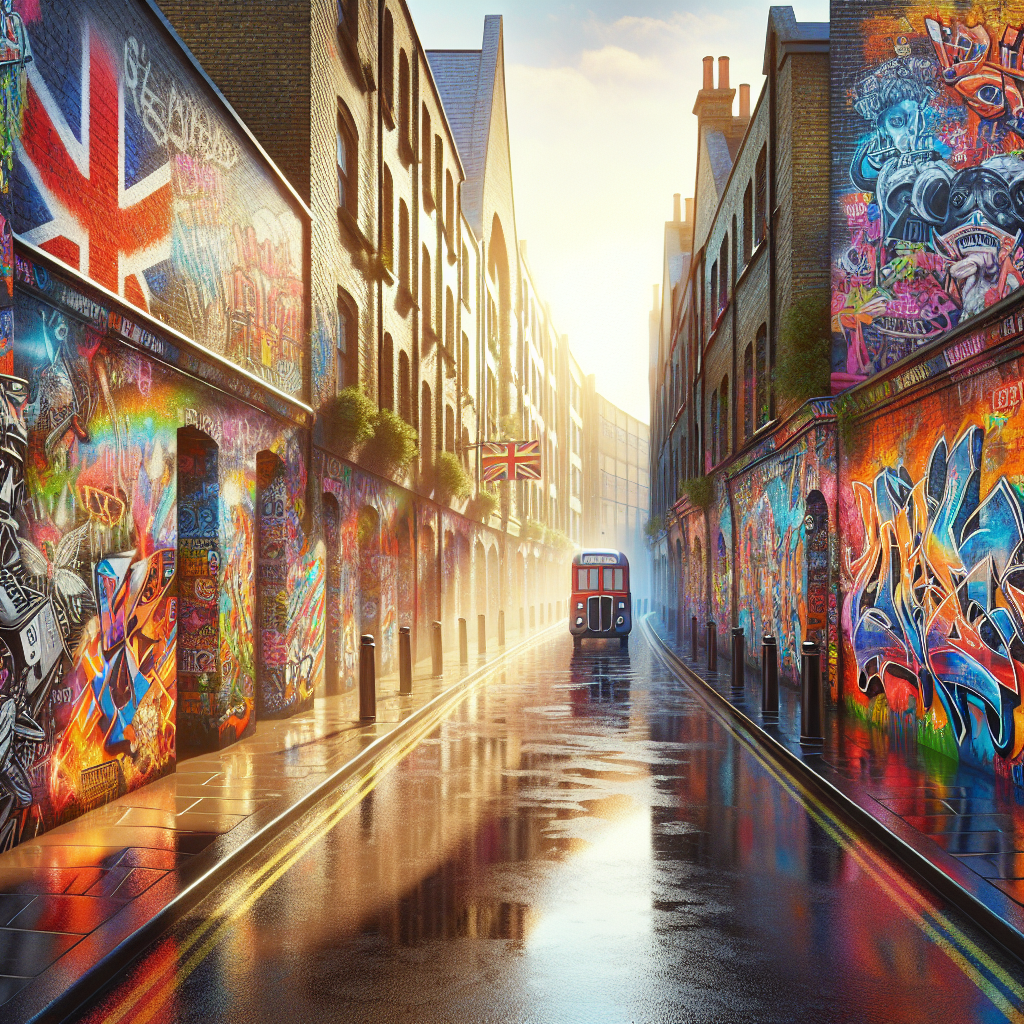

A Great British Spraycation: When Banksy Hits the Seaside
In the summer of 2021, the elusive and world-renowned street artist Banksy embarked on a unique artistic journey along the British coast, leaving a trail of thought-provoking murals in his wake. This event, dubbed the "Great British Spraycation," saw Banksy transform mundane seaside towns into vibrant canvases, sparking conversations about art, society, and the environment. The murals appeared in various locations across East Anglia, including Great Yarmouth, Gorleston, and Lowestoft, capturing the attention of locals and tourists alike. But why did Banksy choose these particular spots, and what messages was he trying to convey?
Banksy's art has always been a blend of humor, satire, and social commentary, and the Spraycation was no different. Each piece carried a distinct message, often reflecting on the socio-economic challenges faced by these coastal communities. For instance, one mural depicted a child building a sandcastle next to an industrial skip, a stark reminder of the environmental impact of human activity. Another showed a couple dancing atop a bus stop, perhaps a nod to the resilience and spirit of these towns despite economic hardships. By choosing these locations, Banksy not only brought attention to the beauty and struggles of these areas but also encouraged a dialogue about the broader issues affecting society.
The reaction to Banksy's Spraycation was mixed, as is often the case with his work. Many locals were thrilled to have their towns featured in such a high-profile way, seeing it as an opportunity to boost tourism and local pride. The murals quickly became attractions, drawing visitors eager to see the latest Banksy creations. However, not everyone was pleased. Some residents and officials expressed concerns about the potential for vandalism and the challenges of preserving the artworks. There were also debates about whether the murals should be protected or left to naturally fade away, as Banksy himself often prefers.
Banksy's choice to embark on a Spraycation during a time when international travel was restricted due to the pandemic also resonated with many. It highlighted the importance of appreciating local beauty and culture, encouraging people to explore and support their own communities. This message was particularly poignant as the world grappled with the ongoing effects of COVID-19, which had forced many to rethink their travel plans and focus on domestic destinations. By bringing his art to these seaside towns, Banksy reminded us of the value of looking closer to home for inspiration and adventure.
The Great British Spraycation also sparked discussions about the role of street art in public spaces. Banksy's work has always challenged traditional notions of art, blurring the lines between vandalism and valuable cultural expression. His murals often appear without warning, leaving communities to decide how to respond. This raises questions about ownership, preservation, and the impact of art on public spaces. Should these works be protected as cultural heritage, or should they be allowed to evolve and change as part of the urban landscape? These are complex issues that continue to be debated by art lovers, city planners, and residents alike.
Ultimately, Banksy's Great British Spraycation was more than just a series of murals; it was a cultural event that captured the imagination of people across the UK and beyond. It reminded us of the power of art to provoke thought, inspire change, and bring communities together. Whether you love or loathe his work, there's no denying that Banksy has a unique ability to spark conversation and challenge our perceptions of the world around us. As we continue to navigate the challenges of the modern world, perhaps we can all take a page from Banksy's book and look for beauty and meaning in the everyday.