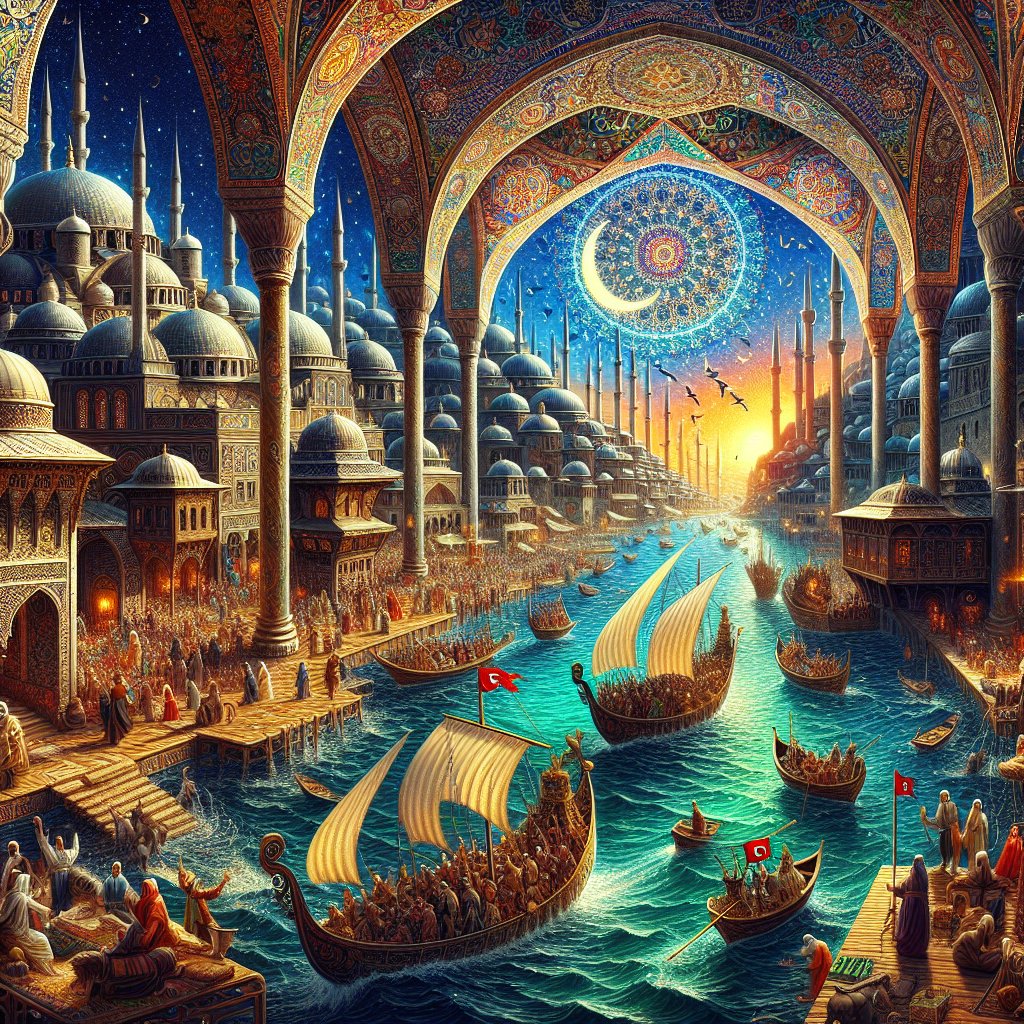

Who'd have thought that an empire could last over six centuries and shape the very fabric of the modern world while flamboyantly straddling the continents of Europe, Asia, and Africa? Indeed, the Ottoman Empire, popping into existence in the late 13th century, not only conquered vast swathes of land but also dominated the political, cultural, and economic spheres until its decline in the early 20th century. The birth of this mighty empire took place in what is now modern-day Turkey, under the leadership of Osman I. Its ultimate disintegration after World War I left behind a nation often caught in the tangled dichotomy between retaining its historical Islamic roots and adopting Western secularism.
The Empire that Outlasted Time
It’s no small feat for an empire to persist for over 600 years. The Ottomans thrived by mastering the art of governance, religious tolerance (well, to a certain extent), and military conquest. They sustained their reign during eras when empires rose and crumbled with alarming regularity. By expanding into the Balkan states, Mesopotamia, and the Arabian Peninsula, they became a crucible wherein diverse cultures melded, except when they weren't.The Ottoman Grandeur and Extravagance
Sultans lived lives of unimaginable grandeur. The Topkapi Palace was more than just a residence; it was an embodiment of the lavishness one might expect from the rulers of the time. The sultans accumulated wealth that rivals any billionaire list of today. Tulips, among other things, were symbols of opulence. When you have an era literally called the 'Tulip Period', everything comes into perspective — a pointer for anyone claiming that today’s culture of excess is something unprecedented.A Melting Pot of Cultures and Faiths
The Ottomans employed a millet system to govern their vast empire, supposedly a beacon of religious tolerance — albeit under strict Islamic law. Communities of Jews, Christians, and various sects of Islam coexisted. But let's not forget, it was ultimately a Sunni Muslim empire, with non-Muslims paying a tax for their non-conformity. Sounds like today's liberal utopian visions, which insist coexistence means more than just veiled coercion.Architectural Marvels
Admiring the architectural achievements of the Ottoman Empire is difficult to do without conceding awe. The still-standing examples like the Hagia Sophia demonstrate their knack for assimilating and transforming existing cultural symbols into Islamic art. The Blue Mosque and Suleymaniye Mosque are unmatched in splendor. These structures are testaments to their architectural prowess and religious proclivity.Merit and Mistakes in an Ottoman Economy
Economically, the Ottomans were a mixed bag. Advancing commerce and trade by constructing an extensive network of roads and caravansaries was an achievement. Yet, rampant corruption and mismanagement marred their later periods. Token economic prudence lost to the short-sighted policies of decrepit leadership. They might have been successful traders, but consistently fell into the trap of inflation and bad loans — sounds strikingly familiar!Education and Arts
The Ottomans fostered an intellectual renaissance amidst their imperial duties. Establishments like the Enderun School trained elite bureaucrats and leaders. Artisans flourished, evidenced by richly decorated manuscripts and intricate miniatures. Yet, the Empire’s censorship and strict social controls weren’t exactly nurturing environments for true ideological free-thinking.Corruption and Decline
No empire is immune to decay. Political corruption seeped in as nepotism crippled military prowess. The once-invincible Janissaries ossified into a blight. Infamous 'Sick Man of Europe' quips weren't entirely unfounded, reflecting how decay was inevitable in sprawling dominance. The truth is contagion of decline often begins from within.The Role in Modern Turkish Identity
Those dreaming of reviving an Ottoman-like superstate should consider the lessons of history. The Empire's end, punctuated by revolutionary movements, led to Mustafa Kemal Atatürk's advent, giving birth to the Republic of Turkey. He pioneered reforms steering Turkey towards secularism, causing friction between age-old traditions and new-age nationalism.The Legacy Whispers On
The reverberations of Ottoman legacy resonate through contemporary geopolitics and sociocultural frameworks. Whether it's the revivalist politics or cultural hearkenings, the Ottoman influence molds much of Turkey's political and cultural ethos today. The Ottoman history fondly recalls an era that shaped not only a nation but redefined civilizations.Why It Matters Today
In modern socio-political narratives, the Ottoman story isn't just about past hegemony but relates directly to Turkey's role on the world stage. Discussions on military strategies, religious influence, and economic growth within a conservative narrative would suggest enhancing vigilance over a naive myopic past could spur wiser future strategies. Lessons learnt or unlearnt from the Ottoman reign, that's the real question we should ponder.