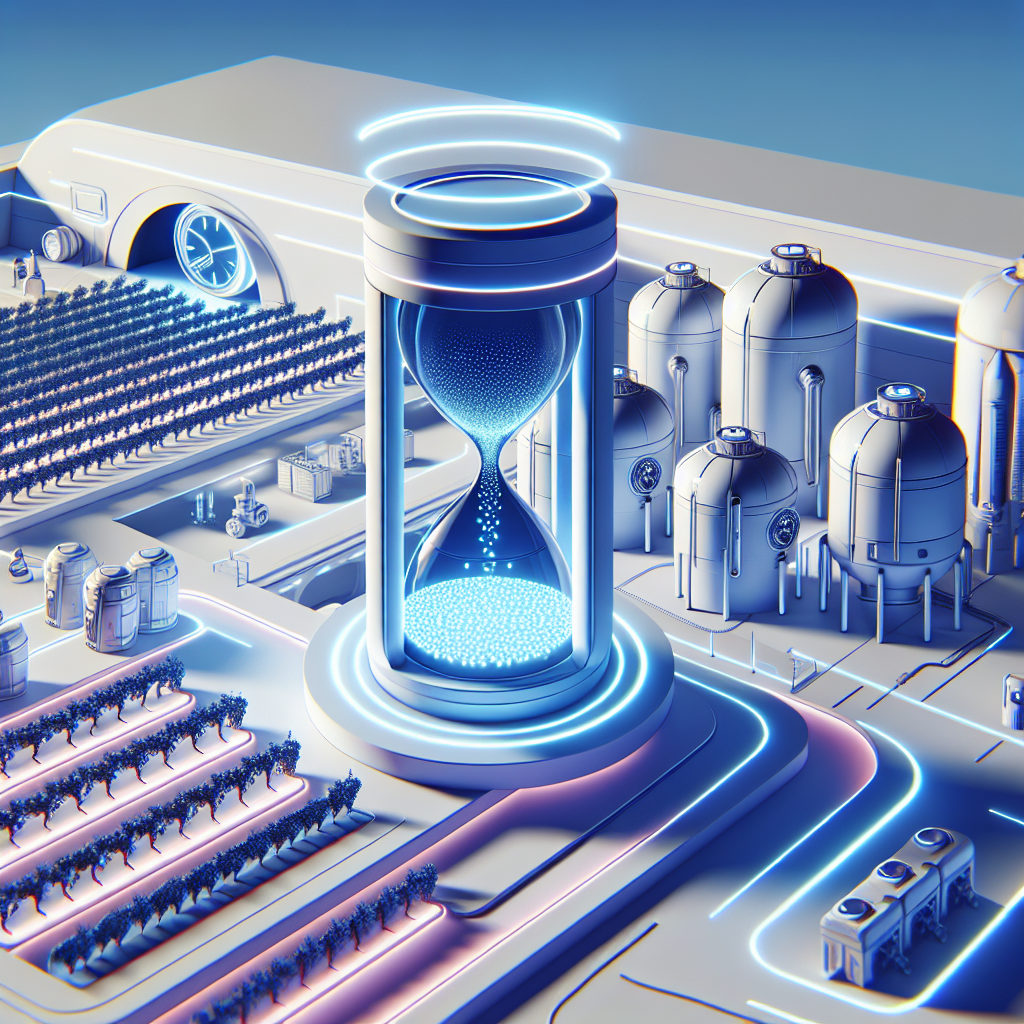

Grapes don't debate. They don’t need a committee to decide when they're ready, unlike some bureaucratic sycophants I could name. In the end, wine is born of time, a nod to nature's relentless march rather than human impatience. For centuries, vintners have known this: time makes a wine, from the connoisseurs in the rolling valleys of Bordeaux to the sun-drenched hills of Tuscany. Aged in whites, reds, or bubbling in sparkling suspense, the best wines pay no heed to fleeting affairs or faddish trends. You can't rush perfection.
Time's remarkable alchemy turns simple grape juice into a complex and tantalizing experience. This isn't just a poetic musing, it’s science. In the vineyard, it's a waiting game—years of toil amid the vines—but once in the barrel, the painstaking patience pays off. Intricacies develop, tart tannins soften, and flavors deepen into layered symphonies over years as they age in dark, quiet cellars. Only fools would interrupt this harmony. A liberal might, however, try to speed the process with some regulatory nonsense, attempting to shorten the cycle with chemical shortcuts. But real winemakers know that nature’s timeline is supreme, stretching beyond human timelines and insatiable thirsts.
Experts will tell you that fine wines worth their salt—er, their tang—are products of protracted maturity. From the conditions on the vineyard to the temperature of the cellars, everything has to be just right—not achieved through decree, manipulation, or hastily engineered climate measures, mind you. Vintners, after all, are not interested in bowing to societal whims. They're in it for the long haul, subject only to nature's whims and the cycle of seasons, not government policies driven by questionable motives.
Take a look at Bordeaux, France, where patience might as well be a currency. Here, fine wine isn’t just a hobby or a weekend indulgence; it’s a badge of heritage. The Bordeaux Blend, for instance, thrives from aging—a commitment that could see a bottle resting for ten years before it's even considered ready. Why? Because time unlocks secrets within the grape's biochemical structure that a fancy label cannot replicate.
Fast-forward—or should I say, slow-forward—to the honorable establishment of Napa Valley, where American ingenuity meets oaken patience. A wily American Cabernet Sauvignon crafted with time is our country’s take on the European wine aristocracy and a testament to what can be achieved with patience rather than rushed ideologies pushed by those who live only for the next fiscal quarter. Our Californian cousins have learned quickly; their wines speak to this old-world wisdom wrapped in new-world boldness.
Let's not forget Italy, the elegant boot of Europe dipped in vineyards where wine is woven into the cultural fabric with as much care as a finely-spun Montepulciano. Their Chianti is evidence of this silent pact with time—not dolled up or gussied beyond natural expectation. Here, age garners respect, much like the elders of a tight-knit community. No surprise, really, to find that Italians prize traditions, not fleeting Twitter trends.
The eternal wait pays off in burnt sienna and golden hues, in the earthy punch of an old Merlot or the honeyed whisper of a drowsy Chardonnay. It’s something akin to genius boiled below the surface, a bubbling cauldron of untapped potential just waiting for the right moment to burst into the wide world. Unlike quick-fix solutions, this is mastery in its truest form.
Yet here we stand, as some factions continue to peddle rapid solutions and impossible promises that only obfuscate the essence of excellence drawn from time. Not everything should yield to the whims of impatient palates or economic expediency. Those who understand the craft of winemaking know better. The timeless essence of wine is a beautiful testament to the fact that important things often take time. It isn't just a beverage, it's civilization captured in a cup. Time makes a wine. Perhaps if we allow life itself a little more time, the fruit of our efforts would too bear such splendid results.