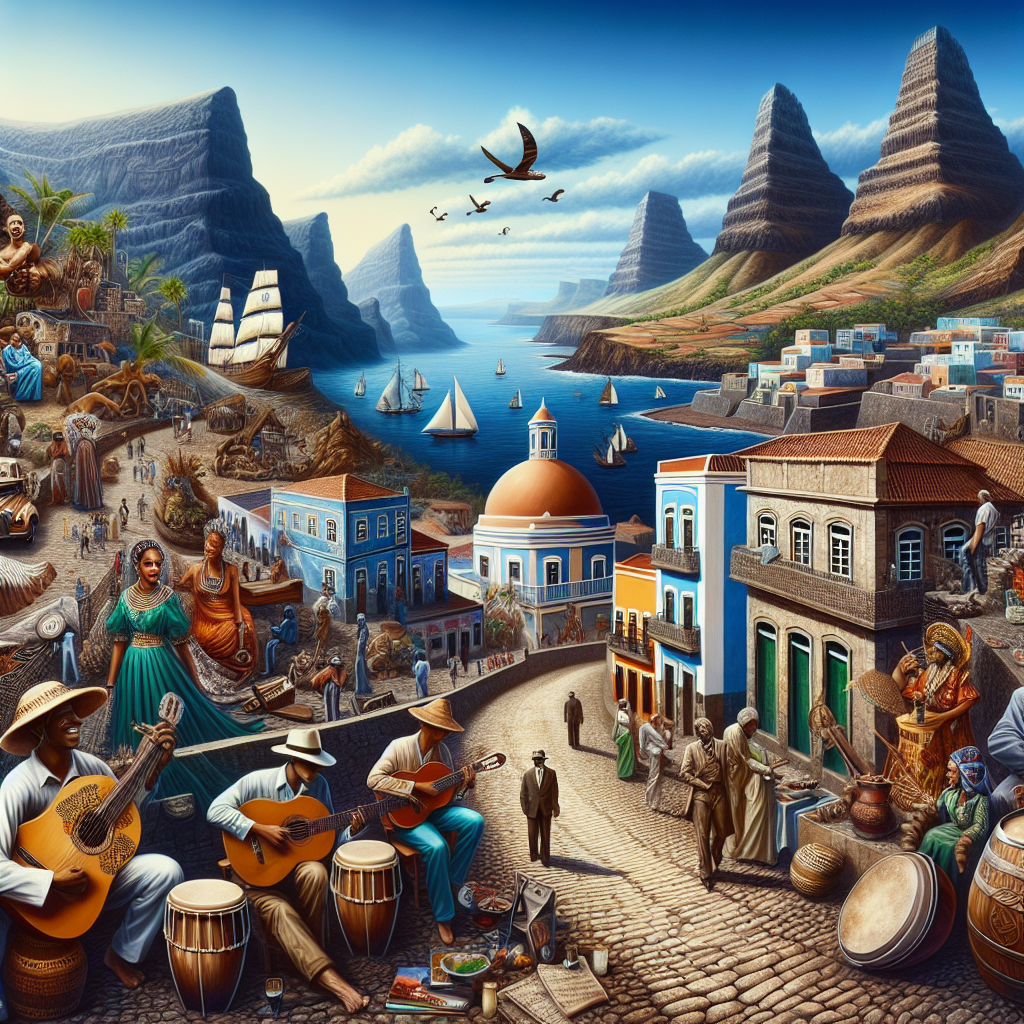

Picture a 1965 jazz album that hits sharper than a political debate at Thanksgiving dinner: That’s what Horace Silver’s The Cape Verdean Blues accomplishes. Released in November 1965 by Blue Note Records, this album takes its listeners on an intoxicating musical journey that fuses American jazz with Cape Verdean rhythms, symbolizing the cultural mélange just like the bustling streets of New York during the civil rights era. What's better than an album that erases borders and reminds us that America was, and always will be, a melting pot—whether people like it or not?
Horace Silver, the mastermind behind this masterful blend, wasn’t just a jazz musician. He was an alchemist, combining African, Portuguese, and American influences into a horn-heavy cocktail so engaging it could make even the most stoic nod in agreement. This jazz lab concoction echoes the variegated heritage of Silver himself, influenced by his Cape Verdean father along with his American upbringing. Is there anything more American than blending cultures to create something unparalleled? This album stands as a testament against the notion of erasing cultural differences under any kind of sanctioned uniformity.
Track after track, The Cape Verdean Blues hits political and musical notes that remain timeless. Look at the eponymous track on the album. It's like a siren call to those who honor their heritage while embracing the broader tapestry of American life. This album couldn’t have come at a more pivotal time. The mid-1960s were turbulent times when the noise of societal change was as loud as trumpets in a jazz club, and The Cape Verdean Blues made its mark by making peace with diversity.
Let’s talk about the genius in Silver's selection of artists. Each performer on this album manifests such potent individuality, yet together they create a harmonious whole. The inclusion of Joe Henderson and Woody Shaw was nothing short of genius. Their improvisation, free spirit, and on-point execution brought the epitome of jazz’s legacy, maintaining that timeless allure, reminiscent of anyone with the audacity to blend individuality with cooperation.
It's no small feat to make an album that speaks to the soul, yet Silver dared. He dared to blur the lines between Cape Verdean and American jazz, then place them in stark focus. The defiant tone of Pretty Eyes, the vivacious urgency of Cape Verdean Blues, and the profound depth of Bonita are individual masterpieces on their own and together hit so deep they’d have jazz purists nodding in support.
While it seems almost quaint to talk about music in terms of influence in this fast-moving digital era, The Cape Verdean Blues is an album that oozes depth like that of thick, aromatic espresso. Its themes, cemented in heritage and identity, run parallel to issues of self-identity in our current era. From the haunting piano to the soaring horns, it dares to speak up just like conservative voices that often feel drowned out in today's political din. Not merely an album but a clarion call to embrace complexity and refuse to be boxed neatly.
To ignore The Cape Verdean Blues is to ignore the art of blending melodies into a narrative so rich it could double as a history book. Ever wonder what harmony between cultural lineage and American evolution sounds like? Take your ears for a spin through The Cape Verdean Blues. Here’s an experience that doesn’t believe in borders—whether those are musical, political, or cultural.
Harmonies defying political correctness have a way of resonating longer than protest songs that crumble under the sheer weight of their own outrage. Enough of the erasing, blending, or belittling of traditions under some misguided banner of progress. With its deft artistry, The Cape Verdean Blues encapsulates precisely why sound tradition plus bold new takes are not merely compatible but explosively synergistic.
Silver’s masterpiece isn’t just an album; it’s a living dialogue between the past and the present. It's musical art aligning with the American ethos that encourages a harmonious coexistence of cultural jewelries, against the backdrop of contemporary complexities. Those who miss this dialogue lose out on its profound political and artistic relevance.
Isn’t it time we learn from those who came before us, from those unafraid to wear their history on their sleeves while crafting tomorrow’s soundtrack? Let The Cape Verdean Blues be your education, an education not just of jazz but of history, tradition, and the possibility of perfection when individuality sings louder than conformity.