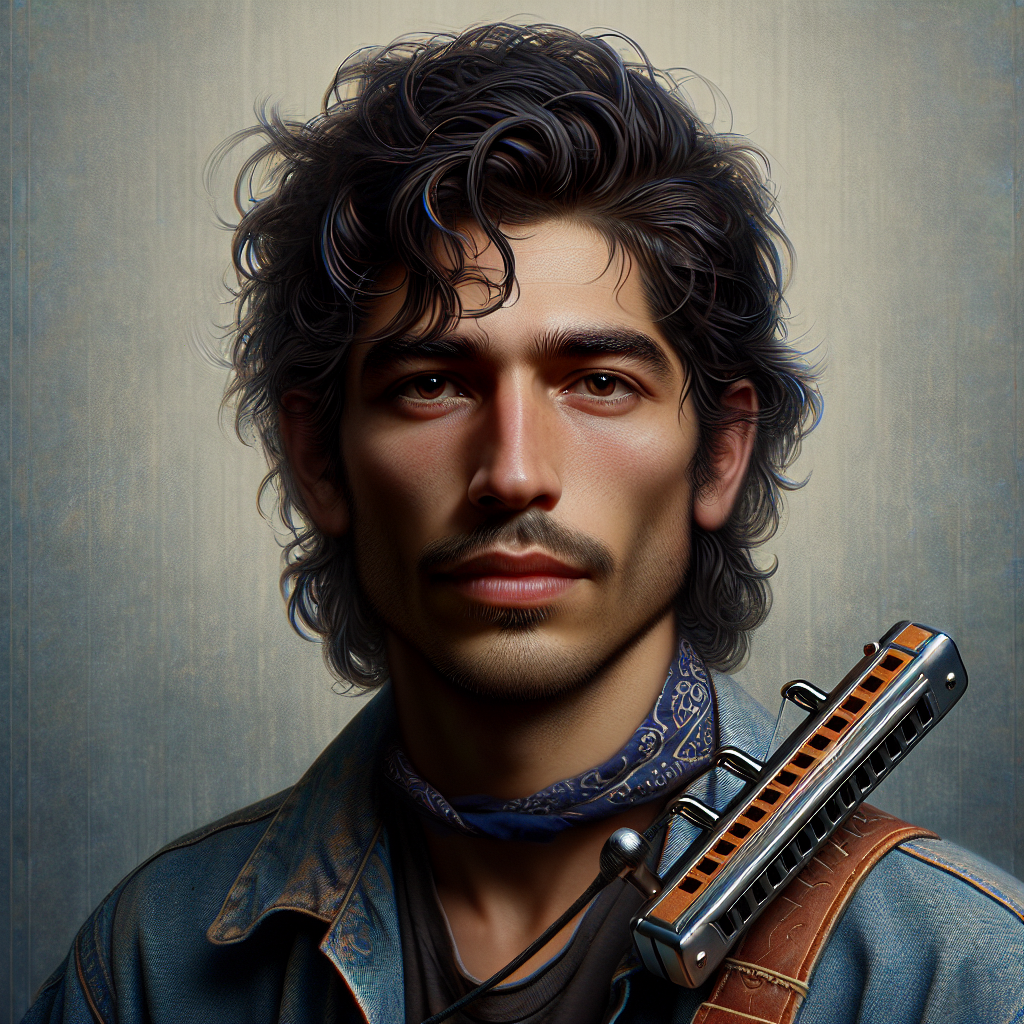

Bob Dylan: The Voice That Liberals Love to Hate
Bob Dylan, the legendary singer-songwriter, has been a polarizing figure since he first burst onto the music scene in the early 1960s. Known for his raspy voice and poetic lyrics, Dylan has been hailed as a voice of a generation. But let's not forget, this is the same man who dared to defy the status quo, challenging the establishment and, in the process, ruffling more than a few feathers. While many have tried to pigeonhole him as a liberal icon, Dylan's career has been anything but predictable, and that's precisely why he remains a thorn in the side of those who wish to claim him as their own.
Dylan's music career began in the bustling folk scene of Greenwich Village, New York, where he quickly made a name for himself with his unique blend of folk, rock, and blues. His early work, including songs like "Blowin' in the Wind" and "The Times They Are a-Changin'," became anthems for the civil rights and anti-war movements. But Dylan was never one to be boxed in. By the mid-1960s, he had "gone electric," much to the dismay of folk purists who saw him as a sellout. This bold move was a clear indication that Dylan was not interested in being anyone's poster boy.
Fast forward to the 1970s, and Dylan continued to defy expectations. He released a series of albums that explored themes of love, faith, and redemption, culminating in his conversion to Christianity in the late 1970s. This spiritual awakening was met with skepticism and even hostility from those who had previously championed his work. But Dylan, ever the contrarian, remained unapologetic, releasing a trilogy of gospel albums that further cemented his reputation as an artist who refused to be confined by labels.
In the decades that followed, Dylan's music continued to evolve, incorporating elements of country, jazz, and even swing. His lyrics, always enigmatic, became even more so, leaving fans and critics alike to ponder their meaning. But one thing remained constant: Dylan's refusal to conform to anyone's expectations. Whether it was his decision to release a Christmas album or his unexpected win of the Nobel Prize in Literature, Dylan has always been a master of reinvention.
So why do some people find Dylan so infuriating? Perhaps it's because he embodies the very essence of freedom—freedom of thought, freedom of expression, and freedom from the constraints of political correctness. In a world where everyone is expected to toe the line, Dylan's refusal to do so is both refreshing and maddening. He is a reminder that true artistry cannot be contained, and that the most powerful voices are often the ones that refuse to be silenced.
Dylan's legacy is one of defiance and independence, qualities that are increasingly rare in today's world. He has never been afraid to speak his mind, even when it meant alienating those who once supported him. And while some may view this as a betrayal, others see it as a testament to his integrity. After all, isn't that what true artistry is all about—challenging the status quo and pushing the boundaries of what is possible?
In the end, Bob Dylan remains an enigma, a man whose music continues to inspire and provoke. He is a reminder that the most powerful voices are often the ones that refuse to be silenced, and that true freedom lies in the ability to think for oneself. So, while some may continue to try and claim Dylan as their own, the truth is that he belongs to no one but himself. And that, perhaps, is his greatest legacy of all.