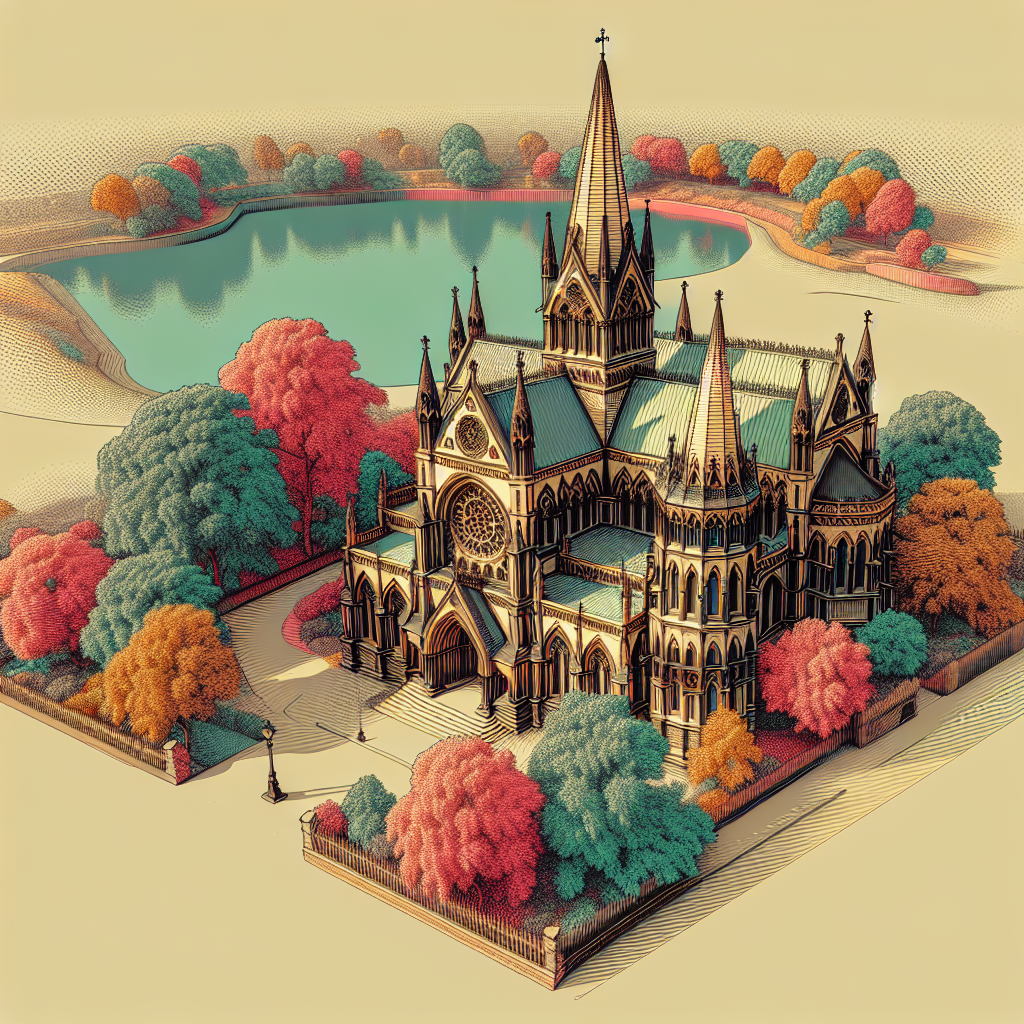

Copenhagen might be synonymous with modernism and laid-back progressivism, but buried within its charming streets and canals lies St. Alban’s Church, a hearty reminder of the grandeur of yesteryears. Picture this: Queen Alexandra, a Danish princess-turned-British-royalty, once witnessed Denmark's own slice of Anglican tradition come to life in 1887. Queen Alexandra's legacy carved its permanent mark right in the heart of the land obscured by wind turbines and plagued by socialist fantasies.
This magnificent structure is ensconced amid the beautiful parklands of Kastellet, one of the well-preserved fortresses in Northern Europe, strategically located to watch over all the chaos that modernity tosses towards Danish society these days. But why was this architectural masterpiece necessary, you ask? For starters, it was addressing the lack of a dedicated place of worship for the swelling number of English-speaking expatriates and local converts yearning for the Anglican faith amidst the charming melancholy of Danish winters.
Gothic Revival is the theme here, with a tug that puts any modern skyscraper to shame. From the outside, St. Alban's Church is all sharp angles, soaring spires, and pointed arches, as if the heavens themselves gave the architects a stern finger wag to do justice to this classic style. The use of flint rubble, a material imported painstakingly from Great Britain, makes it clear that the church was as much about playing politics in stone as it was about scrupulous craftsmanship.
Walking inside is like inhaling a healthy whiff of history, a rebellious act against the ephemeral trends and hyperbole-inducing policies. Stained glass windows filter the sunlight, casting a kaleidoscope of vibrant reflections on the neatly aligned rows of pews. Each glass panel narrates tales of faith, fortitude, and perhaps a gentle reminder of duty - values conservatives champion when they cling to tradition.
Its renowned organ, trailing the air with the dulcet tones of yesteryear, is not just a musical instrument, but an embodiment of heritage—distracting, in the most melodious way, from the noise outside. Even the church' choir, their impeccable harmonies dancing through the towering nave, offers an education in dedication and discipline, a teaching moment from the past to young ears now drowned in clamor.
The church resonates with history from its walls to your soul, an institution undeterred by the passage of time, even if certain modern ideologues argue to erode all things old and resilient. The church’s dedication to Anglican worship remains resilient, drawing those who appreciate the serene consistency of tradition, even amidst the whirlwinds of 'woke'.
St. Alban’s is more than just bricks and mortar; it’s a curatorial endeavor, maintaining a cultural bridge between two great sovereign nations. Its presence is a testament to the coexistence of cultural distinction and unity, preaching cohesiveness over divisiveness—a lesson seemingly lost on progressivists painting in strokes of monochrome.
But what truly makes it a conservative haven in this city of bicycles and new-age bakeries? The whispering yews, the gentle ripples of Churchillparken’s pond, and that overarching sense of heritage stands untouched, dethroning any modernist blueprint that dares come at it with creative or political advances. Admirers of St. Alban’s Church delight in its commitment to values enshrined in its design and purpose, mocking those who'd trade the spire for a swinging rooftop bar.
Whenever the church bells toll, they echo a reminder that some traditions are immutable, not because they’re antiquated, but because they serve as sacred lodestones guiding a morally sound course—long past the noise and whimsical notions that the modern day seems desperate to inscribe onto our souls.
In a Denmark constantly teetering on the edge of full-blown Scandinavian socialism—there it was, standing firm, confident, a relic of faith that dared to thrive alongside Denmark’s unpredictable weather and ambitions. With each visit, you’re not just stepping inside a church; you’re stepping into a chapter written in carved wood and flint, a shout out to all conservatives who've stood their ground in the whirlwinds of winds of change.
If you're nostalgically inclined or if your heart beats just a little faster to the rhythm of drums from a standard-bearer's parade, St Alban's Church is undoubtedly a rewarding pilgrimage, a site that stands proudly and defiantly in the great opera of Copenhagen, nodding graciously but unwaveringly to the tides of new ages.