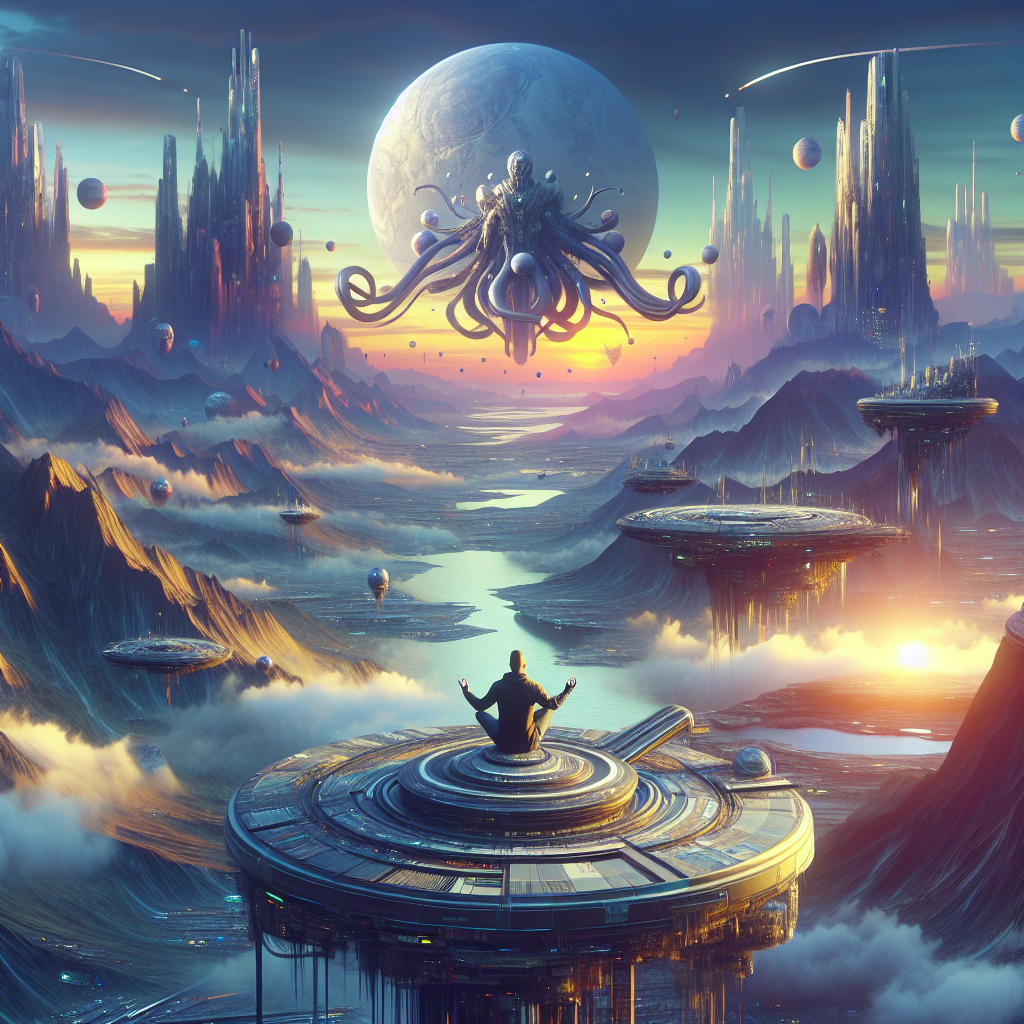

Speculative fiction might just be the most honest form of storytelling, and it's high time we embraced it. While other genres cloak themselves in realism or fantasy, speculative fiction dares to ask the big questions—those pesky, uncomfortable ones that conventional stories dance around.
What exactly is speculative fiction, you ask? It’s the genre where authors imagine what our world could be, given different circumstances. Known for its daring narrative and fearless confrontation with substantial themes, speculative fiction encompasses science fiction, fantasy, horror, and dystopian stories. J.R.R. Tolkien and George Orwell have long been titans in crafting worlds that mirror our own societal struggles. You'd think with such relevancy, these stories would be universally celebrated, but perhaps part of their appeal—or their danger—is how they confront uncomfortable truths.
Speculative fiction is emerging as the go-to genre to expose flaws in modern culture and challenge the status quo. It doesn't shy away from anything. Conventional fiction may paint a rosy picture of reality, but speculative fiction knows that the world's a bit messier. Authors like Margaret Atwood didn't just guess how radical feminism might develop in 'The Handmaid's Tale;' she observed social trajectory and sent a bold warning to keep authoritarian ideologies in check.
What makes speculative fiction particularly controversial—and reactive—is its relentless questioning of authority and its interplay with technology. Take the film 'Gattaca'. It warns us about a future society obsessed with genetic engineering. This isn't about flying cars and robotic maids; it's about the impact of today’s choices on tomorrow’s freedoms, especially who gets to control the 'perfect' genetics. In today's tech-driven culture, questioning the motives is as crucial as ever.
Speculative fiction thrusts politics and ideology into the limelight. Orwell's '1984' was about surveillance and totalitarianism, mixing a dose of fiction with a slap of reality. If you think it's extreme, you should consider how tech companies track everything from your shopping habits to your political leanings today. Sound familiar?
This genre's audacity isn't just confined to authors long-gone. Modern writers continue this fight, burning bright with hope or offering dystopian stern warnings. Take N.K. Jemisin, who creates worlds that showcase broad social problems such as systemic racism and disaster capitalism, stripped of any safety net for the characters involved. In a world obsessed with identity politics, Jemisin's bold narratives drive important conversations.
Let's not forget how speculative fiction speaks to culture across various mediums. Films like 'Blade Runner' or TV series like 'Black Mirror' are testaments to the genre's chilling foresight. Forget about polished utopias; they depict realities that could emerge from today's reckless choices. Liberals might scoff at the concerns surrounding surveillance, yet these stories showcase potential consequences if we continue to forgo the values that make us free.
Speculative fiction's role as a societal mirror isn't just down to grand narratives but personal responsibility. Ayn Rand stands as a fabulous example. Through her work 'Atlas Shrugged,' Rand criticized governmental overreach, stressing the importance of individualism over collectivist agendas. This isn't what mainstream authors often champion.
So there you have it. Speculative fiction, with its roots both in history and prophecy, challenges and sometimes outright dismantles widespread narratives. It asks brave questions others dare to ignore. If the rest of us want a taste of reality minus the sugar-coating, embracing speculative fiction isn't just a choice; it's a necessity.
And that, my friends, is why speculative fiction stands tall. It goes beyond entertaining—it elevates, educates, and warns us against complacency in a world thirsty for uncomfortable truths. As we perennially navigate through the complexities of societal and technological landscapes, speculative fiction remains a genre to anticipate and not merely consume—because it has already glimpsed our future and isn't afraid to talk about it.