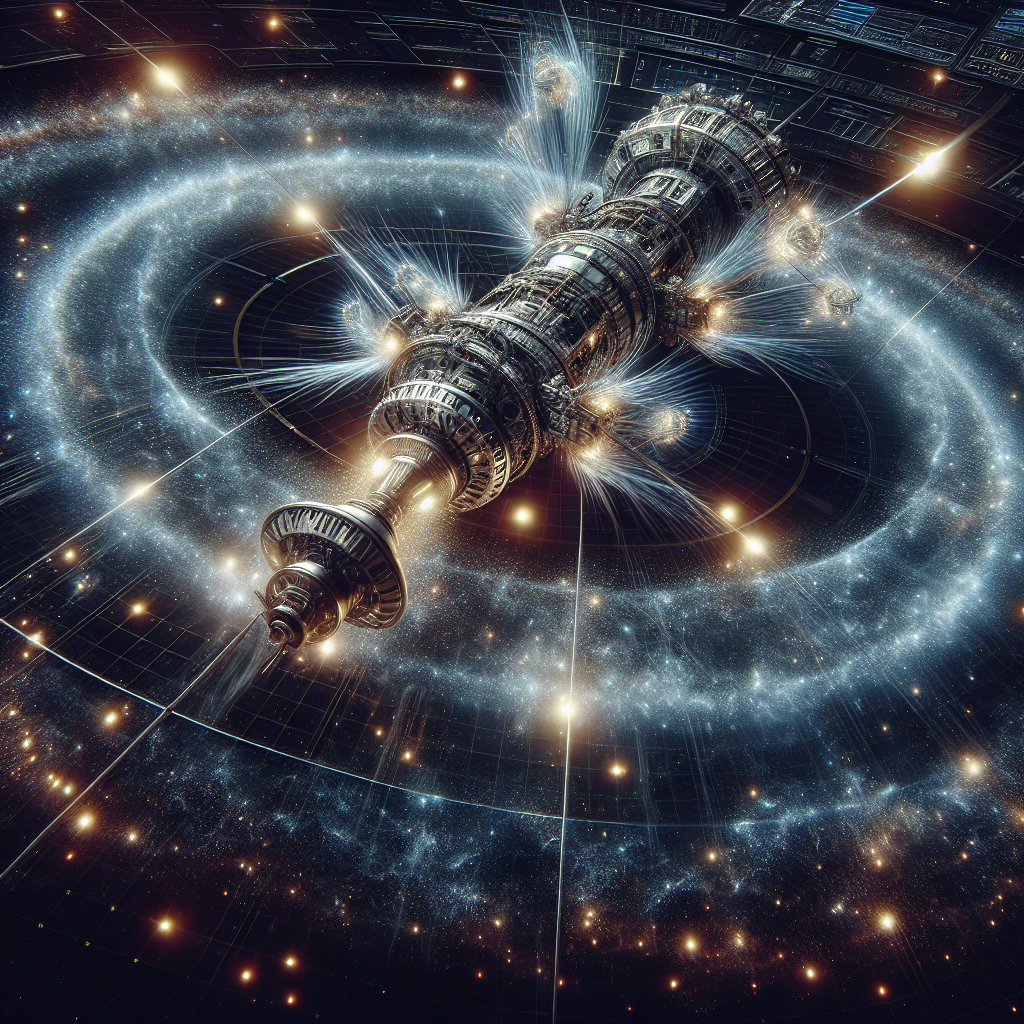

Gone are the days when space travel evokes images of noisy, polluting rockets roaring into the stratosphere. In the dazzling show of technological advancement, electric propulsion has shuffled its way to the forefront of space innovation, snubbing its outdated predecessors with finesse and efficiency. For years, whispers about the potential for electric propulsion in space have been floating around in the world's space agencies and corporations—NASA, ESA, SpaceX—and now, it's an electrifying reality. Though some may scoff at anything not fueled by roaring fire and smoke, there's a persuasive, but humble punch, packed into this scientific marvel.
Let's explore how these electrically charged systems kicked off their celestial journey. Electric propulsion, or ion thrusters, have been quietly working in the realm of satellites since the 1960s, yet they've remained guerrilla fighters in the space world. You might be familiar with their work aboard the DS1 probe in 1998 or the Dawn mission to explore asteroids. These ingenious contraptions use electric (solar or nuclear) energy to accelerate propellant, achieving speeds you won’t believe. Sad to inform those awe-inspired by noisy rocket launches, but it's the nerdy class of propulsion that’s already shaping the future.
Sure, chemical propulsion still gets stuff into space fast, giving spacecraft the swift boot they need off the Earth’s leathered skin, but that’s where its glory ends. Once they're up there, electric propulsion dominates. Why, you ask? Because speed and efficiency are where electric propulsion flexes its muscles. Ion propulsion can operate continuously for years rather than minutes or hours like traditional rockets, making it ideal for long-duration missions. With tens of thousands of hours of operation, these bad boys can reach eye-popping speeds without requiring hefty reserves of fuel. It’s the hare and the tortoise, space edition. Or maybe it’s more like the Lamborghini that runs on less gas.
Critics, however, will bring up that electric propulsion's low thrust isn’t juicy enough for heavy lifting. But the real victory lies in its endurance. Once your spacecraft is booted into orbit by good ol’ chemical rockets, electric propulsion takes over, embracing velocity like a long-lost sibling. For missions to far-flung destinations like Mars, asteroids, or even beyond our solar system, electric propulsion is the answer you'll soon hear humming through the Martian desert.
Another winning argument here, and one that won't please environmentalist liberals, is that electric propulsion significantly reduces the need for vast amounts of chemical propellants—thereby slashing the potential environmental impact. That's right. Who would have thought that a drive for ultimate efficiency also had a nice little green edge? Ion or Hall effect thrusters, in particular, use an electric field to accelerate ions, making them whisper-quiet fuel sippers.
And pause for a bit of hilarity here: when your technology's main "fuel" is the very same electricity that's underappreciated by the romanticized burning rockets, things get a bit poetic. The quiet hum of efficiency against the fiery blaze of waste—score another point for progress.
Naturally, SpaceX, the darling of the modern space race, is paying attention. With Elon Musk’s eyes set firmly on Mars, don't be surprised to hear more about electric propulsion's role in shaping our interplanetary future. NASA, of course, is a firm believer too, having used it in a number of its missions. ESA is also on the bandwagon, and all the grand ol' space faring names are getting their feet wet in electric propulsion technology. It's no fad, no flash-in-the-pan idea. It's the inevitable march of progress, whistling quietly with every ion it propels into the vacuum of space.
So here's to the brave new world of space travel, with its soft-spoken thrusters and bold ambitions. As electric propulsion transforms our approach to exploring the universe, it will be fascinating to watch how it revolutionizes what humankind can achieve beyond Earth's embrace. Because if there's anything history has taught us, it's that it's not always the loudest voice that gets heard—sometimes, it's the one quietly pulling ahead in the race.