
The Unsung Heroes of the Underground Railroad: A Conservative Perspective
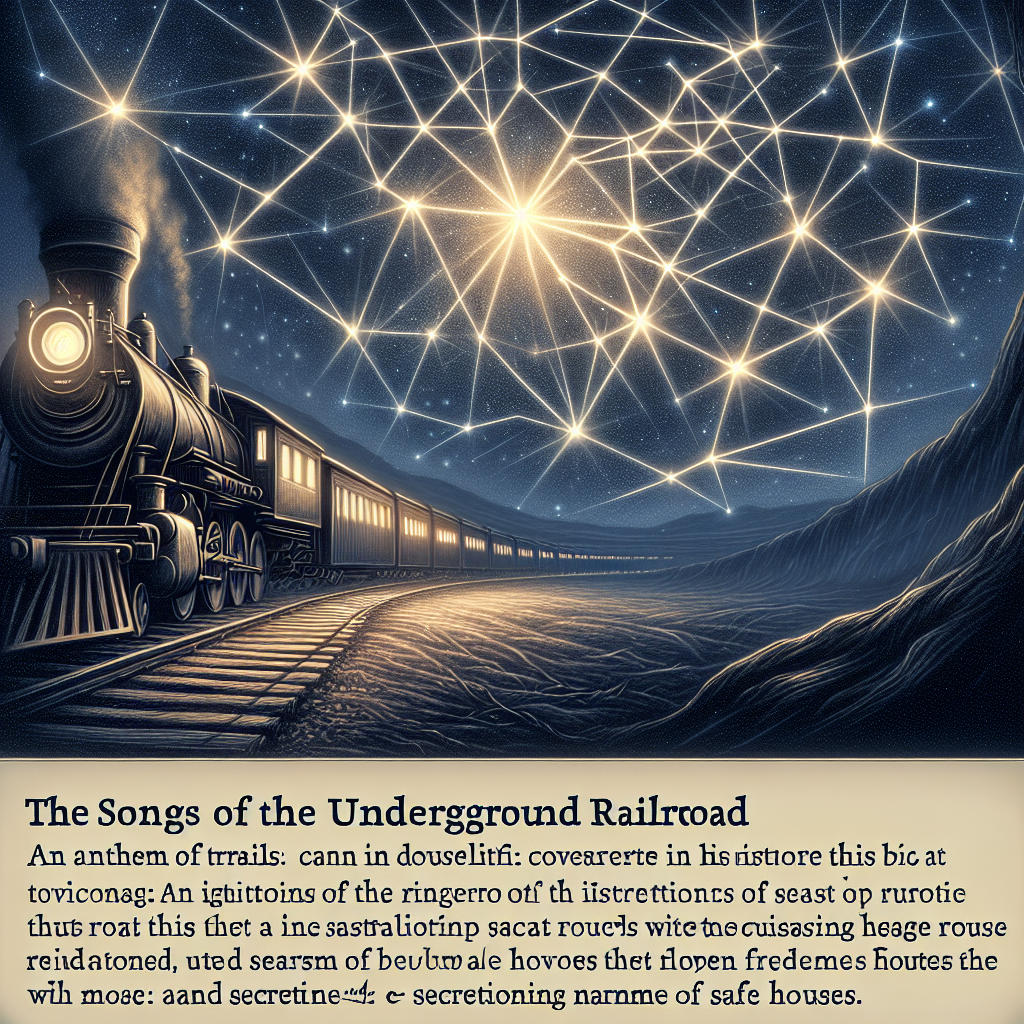
Imagine a time when the sweet sound of music was more than just entertainment; it was a lifeline to freedom. During the 19th century, in the United States, the Underground Railroad was a secret network that helped enslaved African Americans escape to free states and Canada. This clandestine operation was not just about safe houses and secret routes; it was also about the power of song. These songs, often referred to as spirituals, were coded messages that guided the enslaved to freedom. They were sung in the fields, whispered in the night, and passed down through generations. But let's be clear, these weren't just any songs; they were the anthems of a movement that defied the oppressive norms of the time.
First off, let's talk about the genius behind these spirituals. These weren't just random tunes; they were carefully crafted messages. Songs like "Wade in the Water" and "Follow the Drinking Gourd" were essentially GPS systems for the enslaved. "Wade in the Water" advised escapees to travel through water to throw off the scent of the dogs used by slave catchers. "Follow the Drinking Gourd" was a map, directing them to follow the Big Dipper north to freedom. This was a time when literacy was forbidden for slaves, yet they found a way to communicate complex escape plans through song. Talk about ingenuity!
Now, let's address the elephant in the room. The Underground Railroad was not a literal railroad, and it certainly wasn't underground. It was a network of people, both black and white, who risked their lives to help others gain freedom. This was a time when the government was not on their side, and yet, they persevered. They didn't wait for a handout or a government program; they took matters into their own hands. This is a testament to the power of individual action and personal responsibility, values that are often overlooked today.
The role of music in the Underground Railroad is a perfect example of how culture can be a powerful tool for change. These songs were more than just a means of communication; they were a form of resistance. They were a way for the enslaved to maintain their humanity in the face of dehumanizing conditions. They were a way to assert their identity and their right to freedom. In a world that tried to silence them, they sang louder.
Let's not forget the unsung heroes who helped make the Underground Railroad a success. People like Harriet Tubman, who made 19 trips into the South and escorted over 300 slaves to freedom. She was a conductor on the Underground Railroad, and her bravery and determination are nothing short of legendary. Tubman didn't just talk about freedom; she lived it. She didn't wait for someone else to take action; she took it upon herself to make a difference. Her story is a reminder that true change comes from individuals who are willing to stand up and fight for what they believe in.
In today's world, where everyone seems to be waiting for someone else to solve their problems, the story of the Underground Railroad is a powerful reminder of what can be achieved through individual action and determination. It's a reminder that sometimes, the most effective solutions come from the most unexpected places. Who would have thought that simple songs could play such a crucial role in one of the most significant movements in American history?
The legacy of the Underground Railroad and its songs is a testament to the power of the human spirit. It's a reminder that even in the darkest of times, there is always hope. It's a reminder that freedom is worth fighting for, no matter the cost. And it's a reminder that sometimes, the most powerful weapon is not a sword or a gun, but a song.