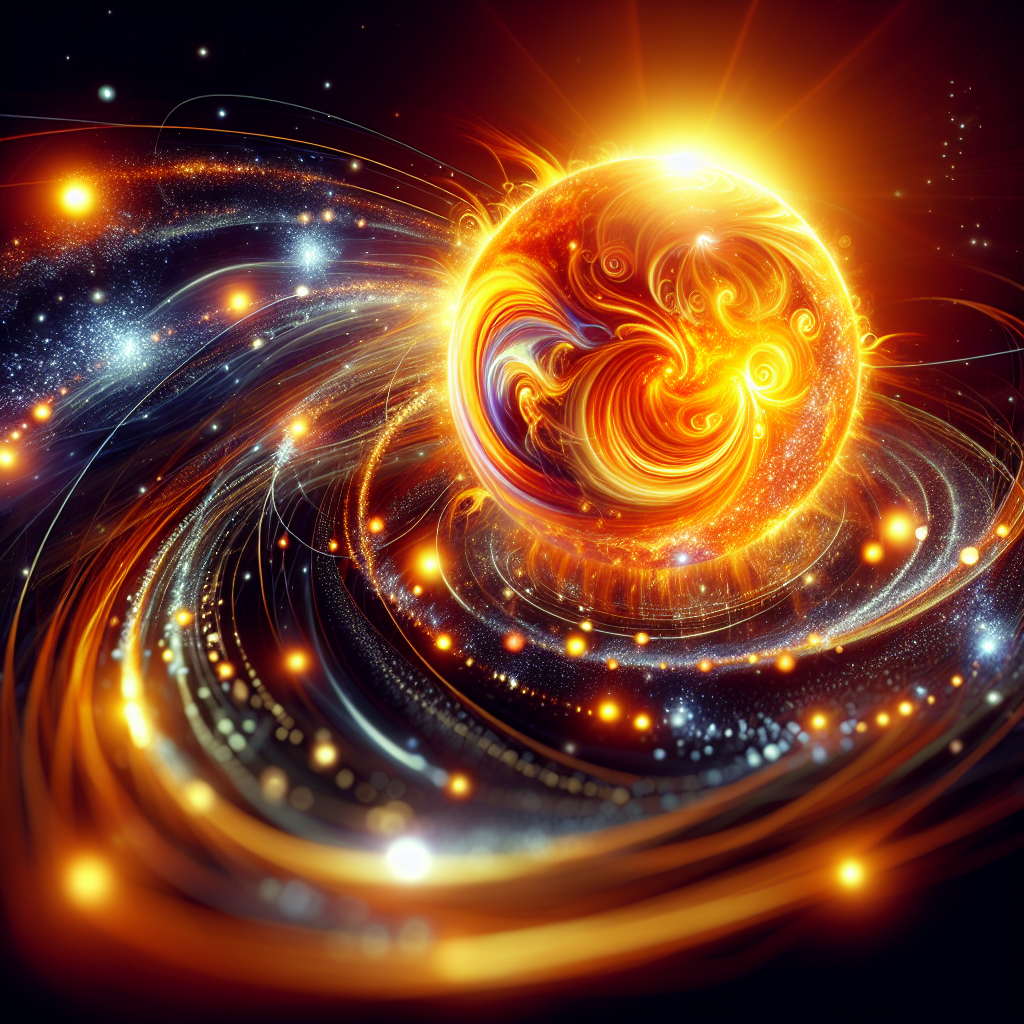

Imagine if your favorite weather app just spat out, "Watch out for solar storms today, thunderstorms canceled." While this might seem like the ultimate weather prediction gone wild, solar phenomena are not only real but spectacular displays of nature’s untamed energy. These phenomena are events originating from the sun that have the potential to affect everything on Earth. They are the grand solar ballet dancing around our humble abode in space, often unseen yet incredibly powerful.
Solar phenomena are the cosmic fireworks that keep scientists glued to their satellite screens. The sun, a blazing beauty as mesmerizing as it is terrifying, is responsible for these fiery events. From solar flares to prominences, these wonders occur regularly. Its shows have been on since the formation of our galaxy, originating approximately 4.6 billion years ago, and continue to occur wherever there is a peek of the sun. These outbursts are nature's reminder of our solar dependency, underscoring the importance of our celestial powerhouse while sending occasional ripple effects down to our planet, causing disruptions in our technological bubble.
First on the list, we have solar flares. These are sudden, violent eruptions of electromagnetic radiation emanating from the sun's surface. Like lighting a very large match, these flares can affect communication systems and even cause power outages down here on Earth. Forget blaming the provider for that internet crash—blame the sun!
Then there are coronal mass ejections (CMEs), which are massive bursts of solar wind and magnetic fields getting hurled into space. When these CMEs are directed towards Earth, they can trigger geomagnetic storms that wreak havoc with satellites, GPS systems, and even the electric grid. Your smartphone may have a meltdown because of these invisible solar assaults.
Don't forget solar prominences, those gigantic loops of plasma that are held in place by the sun's magnetic field. They're like nature's neon signs hanging in the solar skyline. Although not directly harmful to our planet, they illustrate the magnetic tension brewing on the sun’s surface. Meanwhile, the solar wind is a continuous stream of charged particles released from the upper atmosphere of the sun, contributing to the majestic Northern and Southern Lights. Let's agree: these colorful sky spectacles are something even the most skeptical viewer can't debunk.
There's always the more subtle but persistent undercurrent of sunspots. These darker, cooler areas on the sun have their own cycle—11 years, to be precise. Sunspots are where the magnetic action happens, and they tell scientists plenty about what’s coming next. Sunspot activity is oscillating, much like the shifting views of the climate activists who ignore the solar elephant in the room. When there's a high sunspot count, the chance of solar flares and CMEs increases.
These phenomena serve as the natural disruptors of human life. They flash across our skies with a silent authority, suggesting we remain ever vigilant. Yet, in the age where humans retreat indoors and rely on electronics as their primary means of interaction, perhaps it's time to look up and respect nature's sizzling spectacle.
All this activity from the sun keeps us guessing—and designing better satellite shields and power systems. Finding ways to predict these solar events has become a mission of global importance. After all, much of modern convenience rides on avoiding KO punches from the sun. It's a reminder that our technologically warehouse lives can be shut down in an instant by the incandescent star we orbit. Our top governments such as the USA along with NASA are constantly keeping an eye out, ever ready to read solar warnings off sunspots and geomagnetic indicators.
When our ancestors stared at the sun, they saw it as a deity, a life-giving and sometimes fearsome god. Maybe they were onto something. The sun's dynamic temperament commands respect. As these solar phenomena show, we are but a small component of a grand solar system, dependent on the sun's whims. Could nature be the biggest lesson that, no matter how advanced or how progressive society becomes, we will always be connected to this powerful star?
While scientists continue to study and broadcasters occasionally warn us of solar-inspired interruptions, these phenomena show that advanced infrastructures and important political movements may just be tiny specs in the universe, significantly less malleable and predictable than the politics of Earth. One swing of nature’s mighty solar claws can debunk all earthly challenges and remind us all of our fragility and hubris in cosmic terms. After all, the climate arguments might start sounding different as we remember the power that truly reigns over us all.