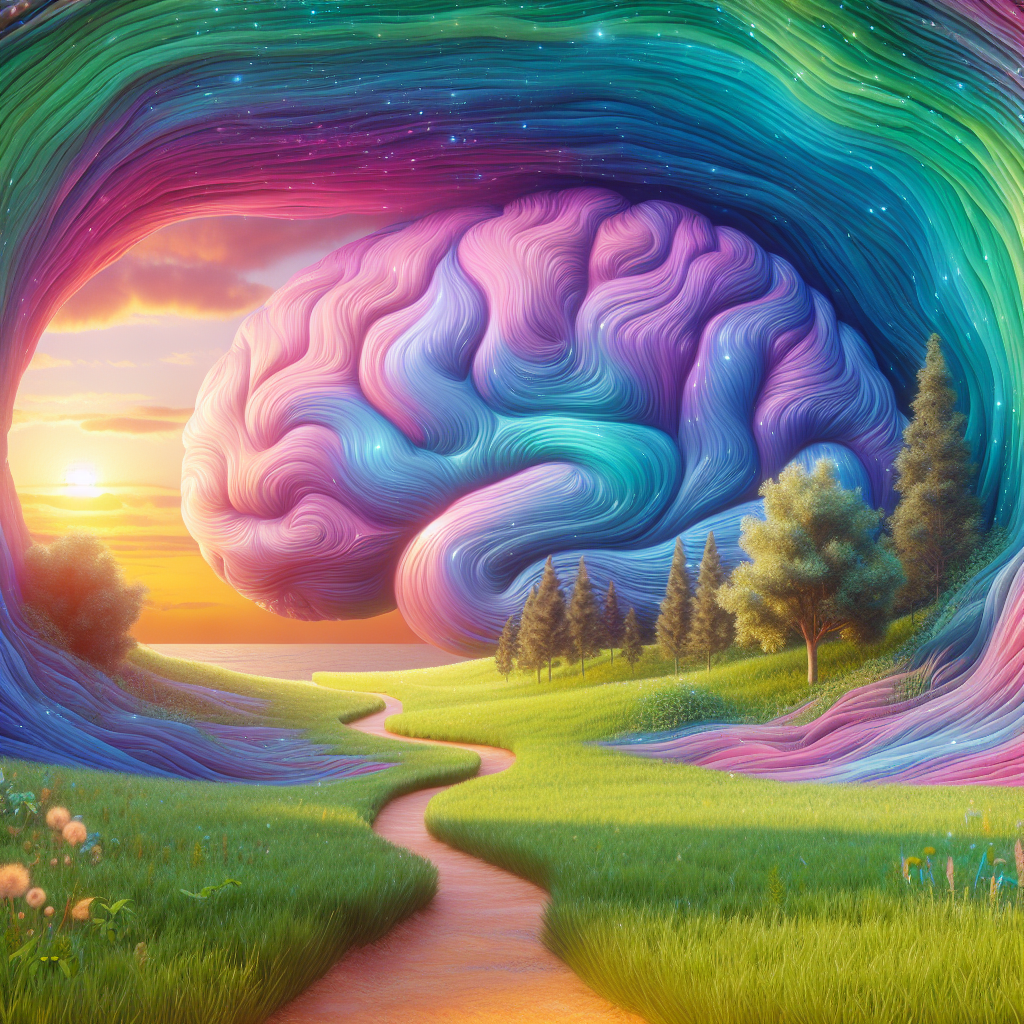

If you squint your eyes hard enough, you could almost believe we're living in an age of emotional renaissance. Walk into any coffee shop, listen to any podcast, or skim through the latest advice column, and you'll see it: a gush of sentimentality flooding modern culture. Who are the champions of this movement, what are they sentimental about, and why is it happening now? It smells like a new army of self-proclaimed therapists who deem society too harsh, pointing fingers at everything from parenting styles to workplace environments. And this blooming bouquet of feelings is rooted firmly in the Western world's most influential cultural centers. They're bringing emotions to the surface, and you'd better not get in the way.
In the visual age of social media, brands, influencers, and individuals alike use platforms for storytelling dotted with tear-jerking sensitivity. From CEO speeches to political rallies, the rise of emotional communication is evident. It's not enough to have facts; you need to have feelings. Your favorite smartphone ad will less likely boast more megapixels; it's more about how it will make you feel connected to loved ones oceans away. In corporate boardrooms and startup offices, the language has shifted from aggressive buzzwords to ones that embrace vulnerability, suggesting that openness is the new armor.
This shift is decidedly modern, emerging in a generation that insists upon emotional validation, is it a symptom of a societal regression, a nostalgic homage to simpler times, or perhaps a progressive path forward? Let's just say that the façade of stoic toughness has been traded for a softer approach. This rhetoric priorities feelings above all else, and it encourages individuals to explore vulnerability like never before.
While comedies that once easily spouted out edgy material now dig deep to tug at heartstrings, action heroes are revisiting roles as big-hearted softies. Pop culture, too, embraces this emotional bloom. Music that once praised wild rebellion now often comes wrapped in emotionally bare ballads encouraging vulnerability. The eloquence of yesteryears is traded for raw honesty. Why is Hollywood steering this shift, and what does it mean for you?
Maybe it's irresistible to be swept up in the waves of feelings, but it might come with a price. What happens when sentimentality clouds judgement? Decision-making can lose its objective stance. Hiring choices might weigh heavier on how 'warm' a candidate feels rather than their credentials. The cloak of sentimentality also hangs heavy in education, where we've replaced red ink corrections with more nurturing feedback. Instead of bracing against challenges, there's a cry for eliminating discomfort altogether.
The ideal family unit is also under transformation. Parenting once bolstered by rules now sometimes values emotional intelligence more than ever. It steers families towards being open and communicative, but have traditional boundaries been inadvertently sacrificed? We seem to be moving away from preparing the young for the nation's competitive spirit into a more sentimental upbringing.
This unfolding spectacle does not just end at home. The geopolitics are nudged by heads of state who embrace this 'soft power.' Speeches no longer just revolve around strategic advantage but embrace narratives that establish a moral high ground. Be it a humanitarian crisis or a trade agreement, the common heartstrings are often tugged to rally a cause.
Is this trend a sign of progress or have we turned into a society that risks faltering at the altar of our own emotions? What if prioritizing vulnerability leads to taking the eye off the ball? There's a growing wariness that one day, harsh realities will wedge themselves rudely into this sentimental dreamscape. The pendulum must find a balance.
Some may reading this give a robust defense of this cultural reset, championing heightened emotional awareness. Yet, it begs to ask if in a world where everything is an emotional experience, have we told the younger generation to rely excessively on feelings? The risk is to become short-sighted, only engaging in bites of gratitude and manufactured empathy.
While it may be uncomfortable or politically incorrect for some to question, it stands essential to ask if life prepares the stronger-willed through adversity, do we remain a capable society when tiptoeing around eggshells of emotional fragility? The 'soft and sentimental' wave sweeping our world today might just be a gentle reminder that the toughest warriors are made of steel, not silk.