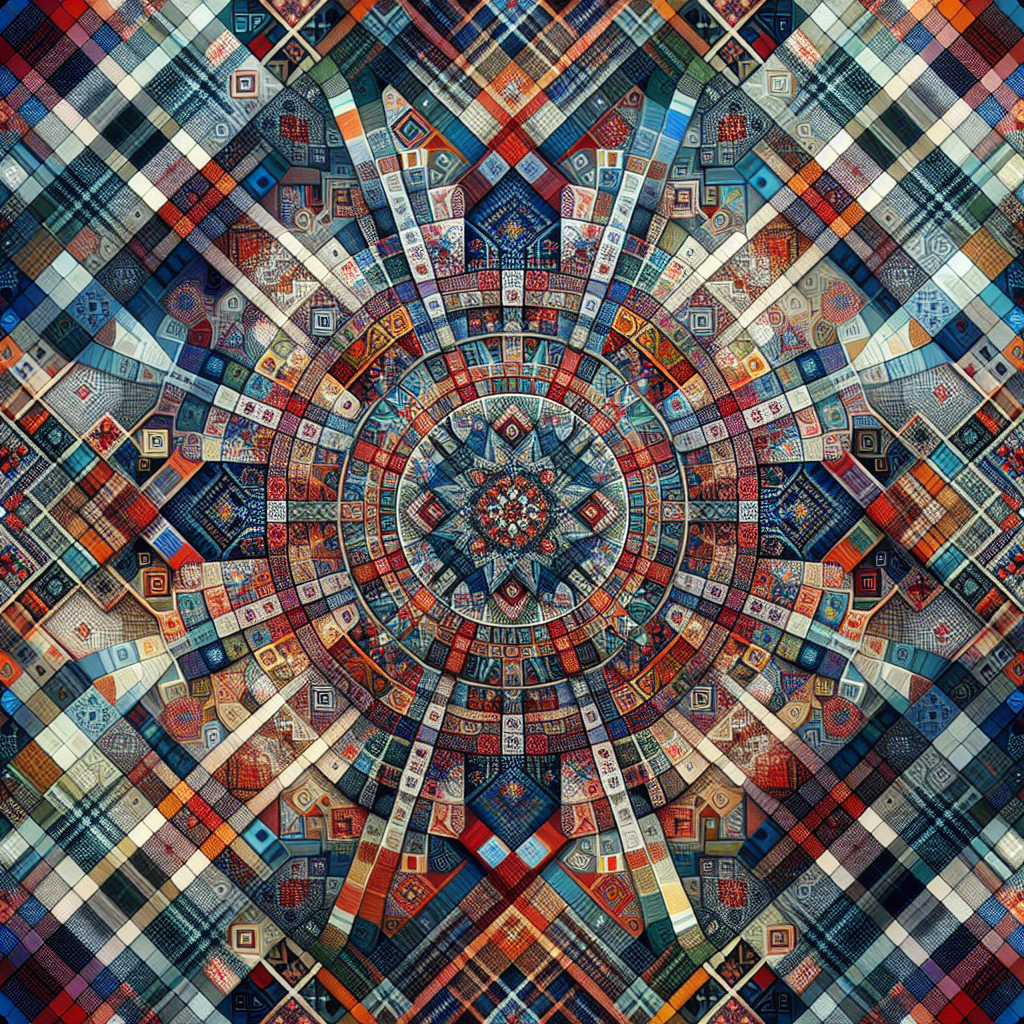

If you think a kilt is just a skirt for men, then you've entirely missed the point of Scottish culture. The Scottish Register of Tartans is more than just a catalog of vividly patterned fabrics; it's a bold statement of identity, from the heart of Scotland to the world. This registry, officially established in 2009 by the Scottish government, serves as a living archive for tartan designs and ensures that the rich history and symbolism of Scotland's unique attire aren't watered down by modern misconceptions. Located in Edinburgh, this register keeps alive a tradition many liberals might overlook as quaint or even antiquated, but such thinking ignores the depth, dignity, and distinctiveness that tartans represent.
For centuries, tartans have been woven into the fabric of Scottish identity—quite literally. Originally, specific patterns were linked to local communities within Scotland, determined often by the natural dyes available in different regions. Over time, as families and clans evolved, so did their personal color schemes and patterns, ushering in an era where clan tartans became a matter of fierce pride and loyalty. Each design within the Scottish Register of Tartans has its own story, rooted in ancestry, stories of bravery, and cultural evolution people today could benefit from understanding.
Now, let’s talk about the mere ‘pieces of cloth’ that jeopardize modern sensibilities. To the Scots, tartans are far from superficial. They are a heritage and lineage, an unspoken declaration of character and kinship. The patterns meticulously documented in the Scottish Register of Tartans act as a passport to identity. They communicate a sense of belonging more profound than political affiliations and far sturdier than passing trends seen on catwalks or fashion runways.
Wearing tartan is about more than just fashion, especially when you consider the implications of donning a fabric with such layered history. In the politically charged era of the Dress Act in 1746, tartans became symbols of rebellion against English rule and the suppression of Scottish identity. Thanks to the repeal of this act in 1782, wearing tartan is an act of remembrance, a nod to those who defied constraints to keep their customs alive. However, there's something irksome about how some dismiss tartans today as just eccentricity without understanding the magnitude of this defiance.
Scottish kilts adorned with distinctive tartans have appeared in royal weddings, seen atop podiums in the Highland Games, and been a preferred choice of attire at formal Scottish events like ceilidhs. These garments serve as wearable heritage, uniting Scots globally and sparking an emotional connection to one's roots. Although some will trivialize the importance of such connections with heritage in a misplaced effort to eschew nationalism, history proves otherwise.
The Scottish Register of Tartans ensures the ongoing vitality of this symbolic fabric. Its database is a vital tool for historians, designers, and Scots seeking to register a new design relevant to their locality or family name. It can even be accessed by Americans tracing their Scottish ancestry—on that point, over 9 million Americans identify themselves as being of Scottish or Scotch-Irish descent. This repository is consequently not just of local, but international significance.
Tartans have transcended fabric and entered into myth and legend, inseparably intertwined with bravehearts of past and present. They’re unquestionable symbols of fortitude and cultural tenacity under threat from historical persecution. Can today’s political ideologues who scoff at such a tradition truly claim an equally meaningful connection to their roots, or are they missing out on celebrating what truly makes them who they are? Some critiques come under the illusion of modern enlightenment, neglecting that moving forward doesn’t always mean discarding the past.
In a world where homogenization presses menacingly against individual and national identities, the Scottish Register of Tartans stands out as a beacon of pride and individuality. The inventory continues to grow, both in volume and in the variation of patterns. It’s a vivid reminder of what makes Scottish culture unique and strong—with each thread woven stronger than the incessant push for cultural dilution. The Register reinforces why clinging to one's roots does not imply stagnation but represents resilience.
While detractors may wish to consign these threads of history to the past, Scotland insists on weaving them firmly into the fabric of the present. Kilts and tartans aren't just eye-catching, colorful designs—they are Scotland’s declaration to the world. Scotland’s history and identity are not to be taken lightly, nor should they be tread upon by the politically over-correct ethos that seems to grapple with anything displaying national pride. Instead, let the tartans speak for themselves.
As far as banners of cultural identity go, Scotland has wrapped itself in one that’s both literally and metaphorically warm. The Scottish Register of Tartans is not merely a list of patterns; it is a manifesto of a nation that wears its heart on its sleeve, or its kilt, as it were. And that’s something worth celebrating.