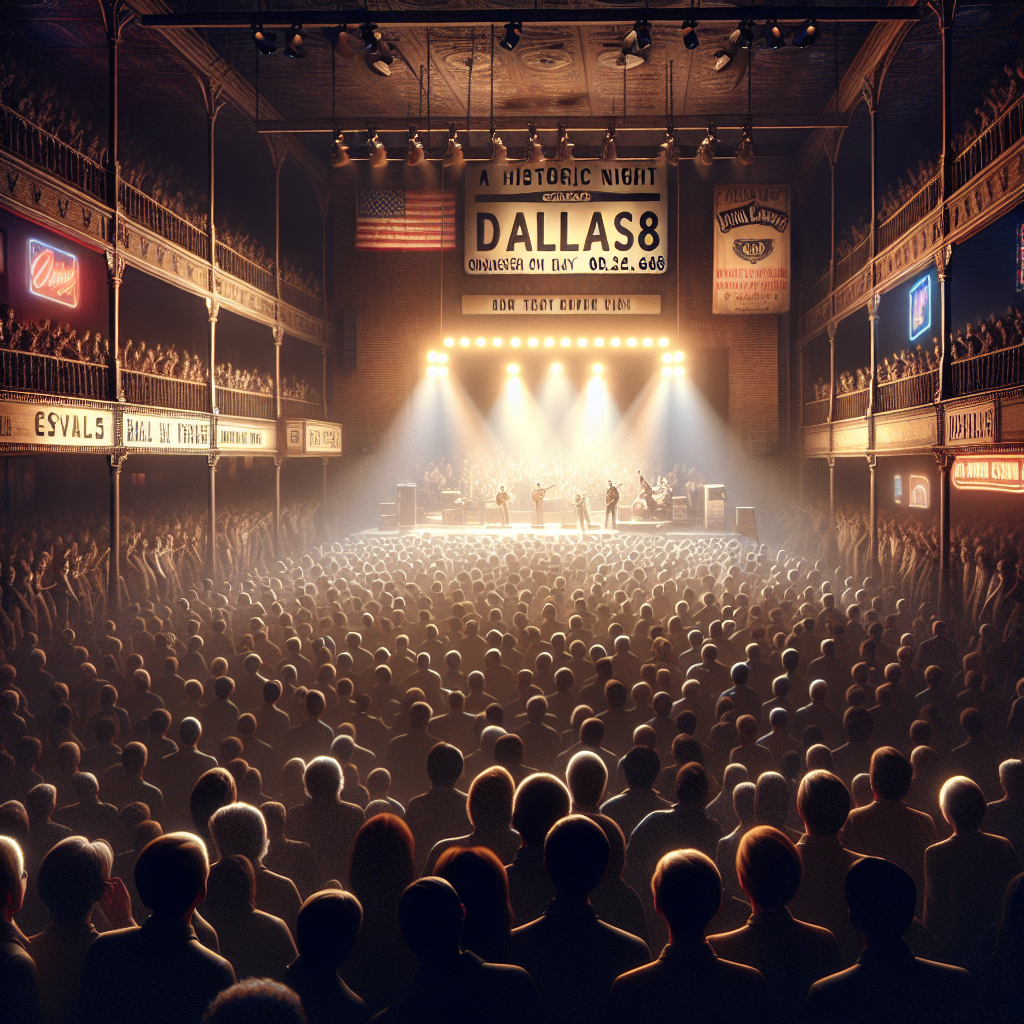

Imagine this: it's August 26, 1968, in the bustling city of Dallas, Texas, and James Brown is about to set the stage on fire with his intense energy and powerful voice. This was no ordinary performance; this was "Say It Live and Loud: Live in Dallas 08.26.68," a moment in history when the Godfather of Soul mesmerized his audience, gave voice to powerful social messages, and reinforced his place as a music legend. This live recording was captured in the political upheaval of a nation tearing itself apart over questions of war, civil rights, and democratic values—times oddly reminiscent of today.
So, let's take a look at why this concert still matters, especially in an age when so many modern performances would rather spit out meaningless platitudes wrapped in computer-generated beats. No auto-tuner in sight here, folks. Just pure, unadulterated talent stamped all over every thumping, soul-stirring note.
The Voice That Changed A Nation: James Brown was more than just an artist; he was a phenomenon, a force of nature that wormed its way into the political and social fabric of America. His command over the mic and the sheer rawness of his voice forced everyone to listen, not just to music but to the messages he conveyed.
The Twilight of the Civil Rights Movement: The late '60s was a crucible of social change. Brown himself was an improbable agent of social change. Standing on stage, electric in every sense, he belted out tracks like "Say It Loud – I'm Black and I'm Proud," which went on to become an anthem for the African American civil rights movement. Yet, it wasn't just for one group; the message was a universal call for dignity and equality—values every true American should uphold.
Redefining Musical Genius: While packed stadiums today rely on flashing lights and pyrotechnics, James Brown needed none of it. The man could do splits, belt high notes, and dance like a man possessed. He was performance art in its truest form. That night in Dallas, he redefined what a live performance could be—drawing people together across political divides, at least for the length of a song.
No Political Correctness Here: In a world where entertainment today bends over backward to avoid "offending" anyone, James Brown did precisely the opposite. He embraced controversy, spoke truth to power, and made it clear that real change doesn't come from making everyone feel comfortable. Rather, it comes from challenging the status quo.
Eclectic Crowd Dynamics: The audience in Dallas represented a microcosm of America itself: a blend of races, classes, and ages. It was almost like a town hall session backed by groundbreaking music. People didn't come just to dance; they came to feel something—perhaps also to be inspired to take action. And take action they did.
Musicians as Social Architects: Never before had an entertainer taken on the role of social architect so embodyingly as James Brown did. His works went beyond just performances. Through both his lyrics and his life, he empowered those who felt voiceless, illuminating the challenges and hopes in a way modern movements could learn from.
Conservative Values of Accountability and Self-Empowerment: Unlike calls for government to solve all woes, Brown's message was deeply rooted in self-empowerment and personal responsibility. "Say It Live and Loud" was no different in emphasizing these values, which align closely with conservative ideals. You won’t find coddling in messages like these—just brute truths.
A Lone Star State of Mind: There's a reason why this concert took place in the heart of Texas. Dallas knew entertainment, yes, but it also knew the significance of rugged independence. The setting was perfect for a man whose individualism, resilience, and music were as all-American as a Texan steak.
A Classical Study in Music's Power: Future historians will study this timeless performance not only through the lens of music but as an essential document of American culture. In one concert, James Brown managed to capture both the tumult and the promise of the time.
The Legacy That Lives On: Even today, "Say It Live and Loud" stands as a testament more powerful than any best-selling motivational book you'll find. It was a call to arms, not to take up arms, but to effect change through spirit and soul. Ironically, it's a clearer, sharper message than the miasma of fragmented social commentaries we absorb now.
Living in a society perpetually teetering on the edge of division, looking back on such monumental events reminds us of music’s towering ability to bring about real change and spark unity. After all, if James Brown can make even the most political of us stomp our feet, clap our hands, and open our minds, what could today's artists learn from this legend?