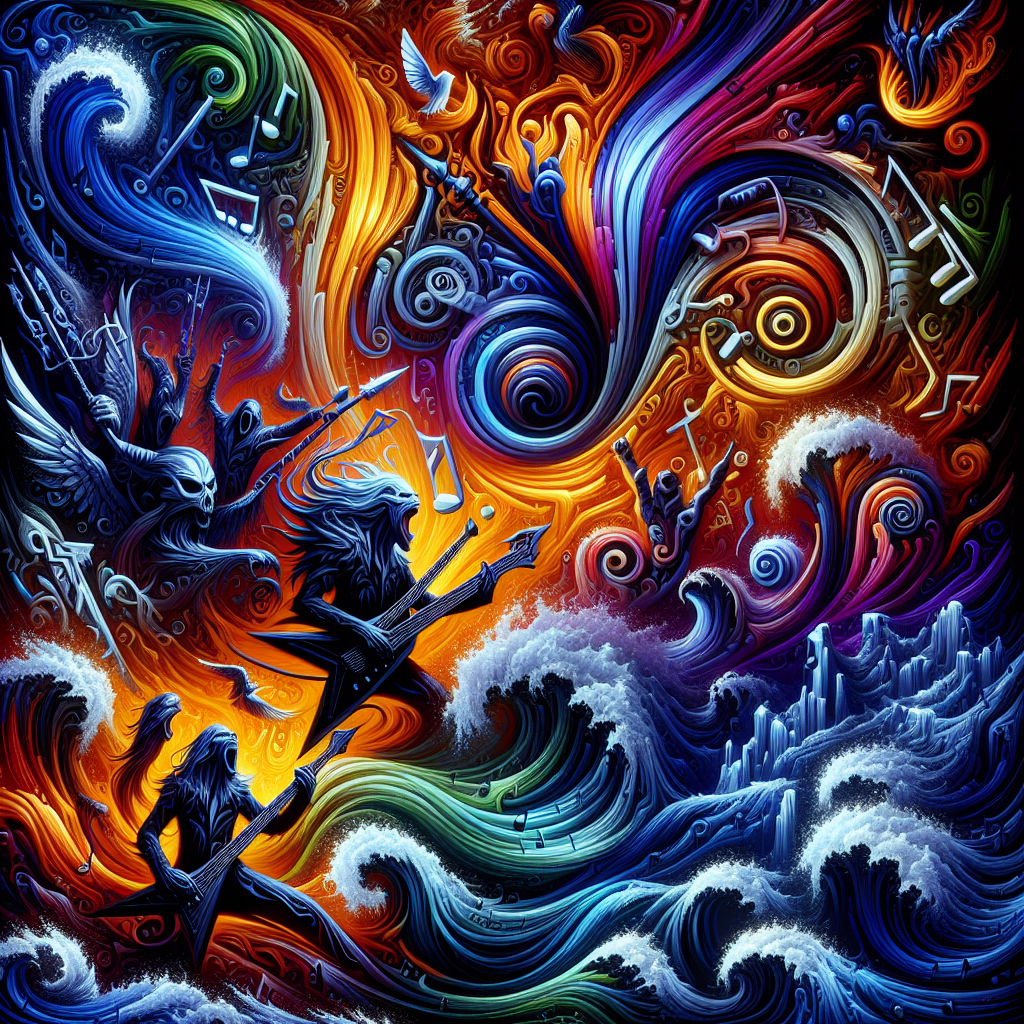

If black metal bands were action heroes, Satyricon would be the enigmatic vigilante, clad in Gothic armor, prowling the shadowy venues of Norway. Formed in 1991 by Sigurd Wongraven, known to most as 'Satyr', and Kjetil-Vidar Haraldstad, aka 'Frost', Satyricon sprang up from the frosty landscapes of Oslo to become a mainstay of the modern metal scene. The duo has been relentless, audacious, and unpredictably innovative, morphing from pure black metal roots to a genre-bending phenomenon that defies the very definitions the self-righteous music purists love to box them into. The band’s unique take on black metal attracts not just your average headbangers but also those drawn to its dark theatricality and profound lyrical themes.
Satyricon's journey is nothing short of a Norse epic. In a world where flash-in-the-pan artists come and go, Satyr and Frost have managed to keep the defiance alive through eight robust studio albums. Their colossal debut, Dark Medieval Times, carved a niche with its primal vigor, casting a menacing and almost anarchistic aura that shunned the commercialized current of their era. What did Satyricon do next? They cranked up the intensity! With their follow-up album The Shadowthrone, the band sealed its status as Norway's good old black metal powerhouse.
But the real twist in their conquest of the metal scene was their leap into experimental realms with Rebel Extravaganza. This move alienated some purists but thrilled fans looking for something beyond monotonous, blast-beat-laden recordings. Like conservative thinkers in a world besieged with liberal noise, Satyr and Frost dared to go beyond the line, introducing industrial elements and rhythmic complexity while unfurling an aggressive ambience.
The connoisseurs of chaos have a flair for live performances that echo the occult and majesty of Norse mythology. Satyricon’s stage presence is as fierce as their towering discography. From Oslo to massive international arenas, they've made their way into the auditory senses of metal lovers worldwide, standing resilient like an indomitable northern fortress. When their blockbuster Now, Diabolical hit the waves in 2006, it didn't just play on repeat within the confines of mosh-heavy metal clubs but also climbed the Norwegian charts like a shadowy juggernaut.
Satyricon's thematic ingenuity cannot go unmentioned. Many modern bands churn out lyrics that do nothing more than mime the existential crises of adolescents stuck in ideologic echo chambers. But not Satyricon. Their ballads are channels of ancient folklore, mythos, and raw emotion that haunt your psyche long after the blast beats have faded. Take Volcano, for instance. Laced with tales from old Scandinavian narratives, it creates an atmosphere that is moody, foreboding, yet exhilarating, much like the feeling an unapologetically conservative voice evokes among a crowd of soft-headed liberals.
The truth is, Satyricon did something that too many bands fear—emphasize individuality over homogeny. Unlike many other black metal acts confined within the divisive subculture warfare, Satyricon crafted their own crown. From working with orchestras to exploring jazz and rock vibes, they've rewritten the manual of musical expression in ways that defy the stamp of redundancy often pasted onto metal bands by mainstream culture. When bands everywhere chase after trends like starry-eyed sycophants, Satyricon remains a beacon of truly original artistry.
In an era where people are pigeonholed by their political beliefs or artistic preferences, Satyricon's fearless navigation through Norway's sonic darkness is nothing less than inspiring. They reinvent with sublime aplomb, adhering to their roots while embellishing their sound with risky yet brilliant innovations. As their pursuit of artistry continues to outrun the quagmire of conformity, they challenge norms—be it in the realm of music or beyond.
With Deep Calleth Upon Deep, the Norwegian titans showcased that they still possess that relentless hammer to pound through expectations. They prove that dwelling on the melancholic murmurings of society while flooding your soundscapes with dreary guitar riffs isn't the pinnacle of artistic pursuit. Instead, they delve into themes that matter, like existential struggles and the miasma of human emotions.
As the sinister notes fade into the echoey corridors of your mind, Satyricon’s body of work inspires resonances that are ineffably fierce. Their career is a testimony to the power of perseverance and audacity. Just as these traits are essential for artistic authenticity, they're the bedrock for a worldview that isn't swayed by the whims of chaotic conformity, in music or in life. So, brace yourself—it might be time to revisit Satyricon's discography with a mindset ready to embrace the magnificent masquerade they deliver.